


Introduction
Since the series debut in 2005, God of War has taken players on brutal journeys through worlds inspired by Greek and Norse myth. Kratos, a Spartan who defied the gods, once carved a path of vengeance across Olympus and later tried to build a peaceful life in Midgard.
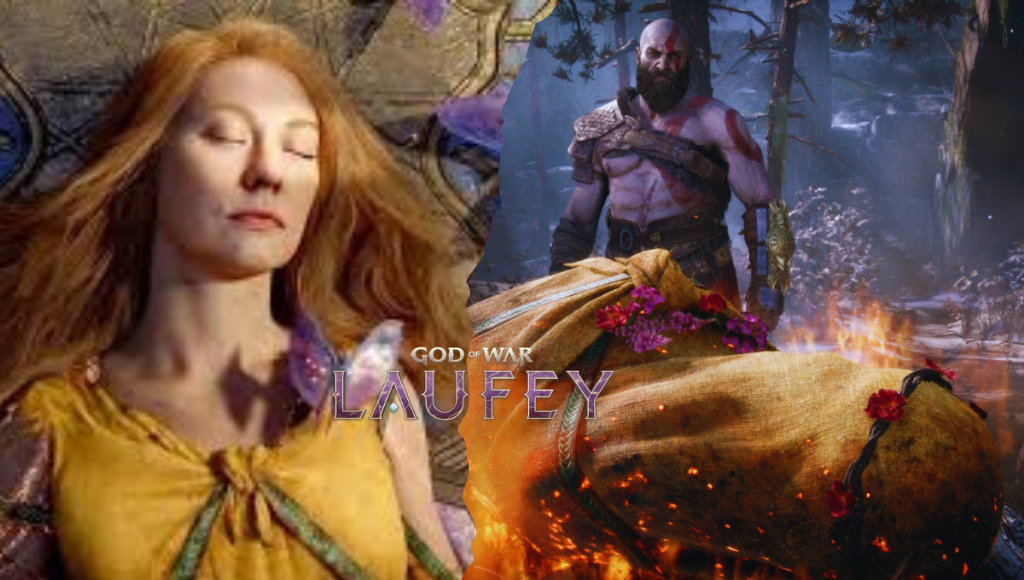
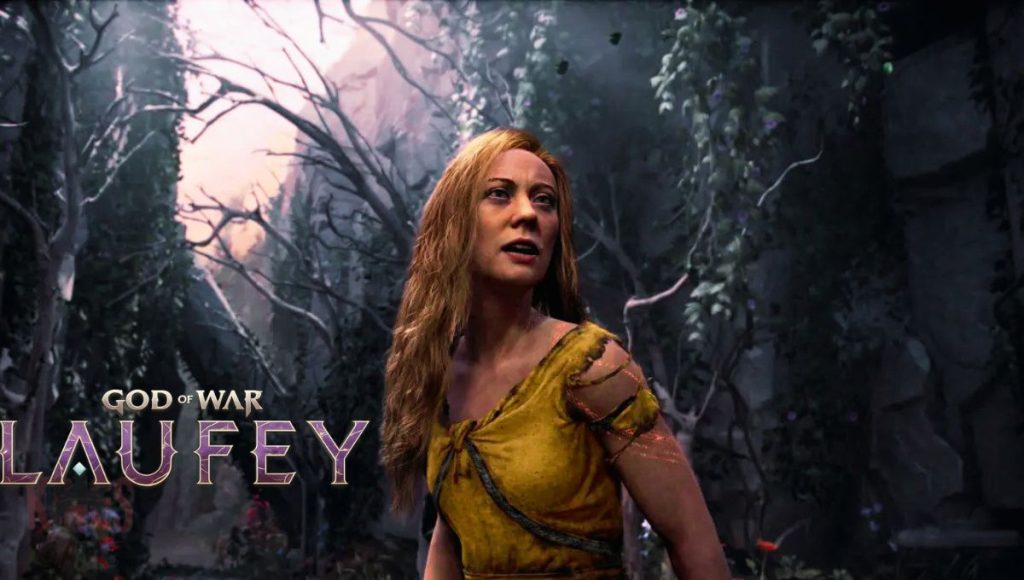
Sony Santa Monica’s 2018 God of War reboot and its sequel Ragnarök reinvented the franchise with thoughtful storytelling, deeper character development and a shift from Greek to Norse mythology. Central to this reinvention was a woman who appeared only briefly but whose presence shaped the narrative , Faye, also known as Laufey. She was Kratos’s wife, Atreus’s mother and a mysterious Jötunn whose death and final wish for her ashes to be scattered across the highest peak of the realms set Kratos and Atreus on their journey.

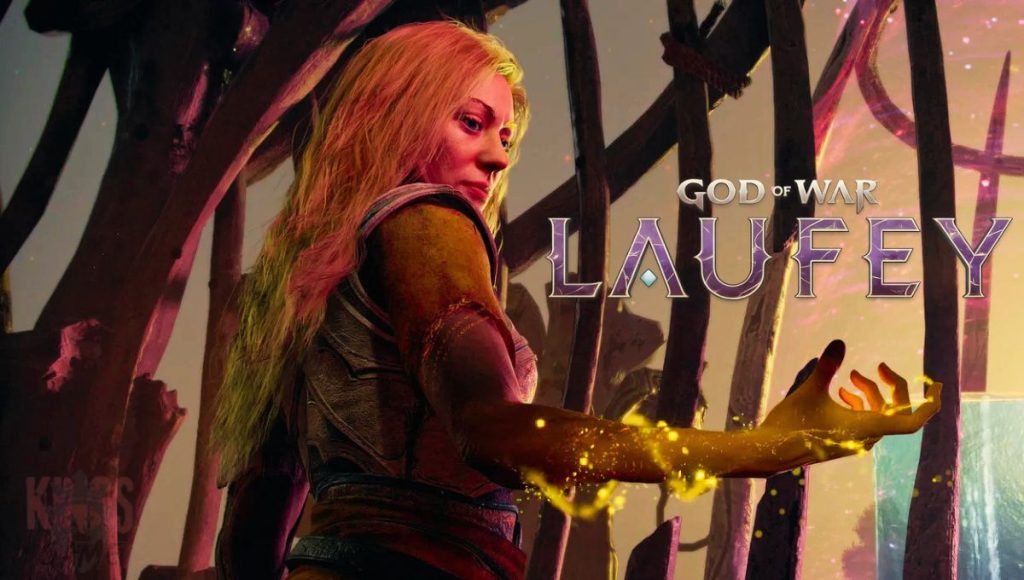
When players reached Jötunheim at the end of the 2018 game, they learned that Faye was not a simple mortal but a giant guardian, revered as Laufey the Just, who helped protect the weak from the tyrannical Aesir . She hid her true heritage to protect her family and even worked with the god Tyr to hide Jötunheim’s realm tower from Thor’s genocide . Her actions and foresight drove much of the drama in Ragnarök, leaving fans eager to know more about her. Sony has finally answered that desire. On June 2 2026 the PlayStation Blog unveiled God of War: Laufey, a new chapter that elevates Faye from a memory to the protagonist of her own adventure.
Awakening in the Everywhen
In the blog post Santa Monica Studio reveals that Laufey takes place after Faye’s funeral. Instead of death being the end, Faye awakens in the Everywhen, a strange afterlife where gods from all pantheons convene. She discovers that the plans she made to protect Kratos and Atreus are now at risk and, to save her loved ones, she must navigate this metaphysical realm. The Everywhen is described as a transcendent land where all magic originates and to which it returns . It lies above the Nine Realms and brings together deities and creatures from various mythologies , a concept the studio calls an “afterlife of the gods.”
This setting raises fascinating questions for the franchise. In Norse myth, the afterlife is fragmented into realms like Valhalla and Hel. Laufey proposes a unified plane accessible to gods of every pantheon. The post hints that Odin’s obsession with knowledge beyond mortal afterlives during Ragnarök led him to speculate about such a place , and Laufey will explore what happens when gods die. The studio notes that Faye quickly discovers that leaving the Everywhen is not easy because the natural flow of magic has been disrupted . Her journey will require solving mysteries about this realm’s true nature to find a path home.
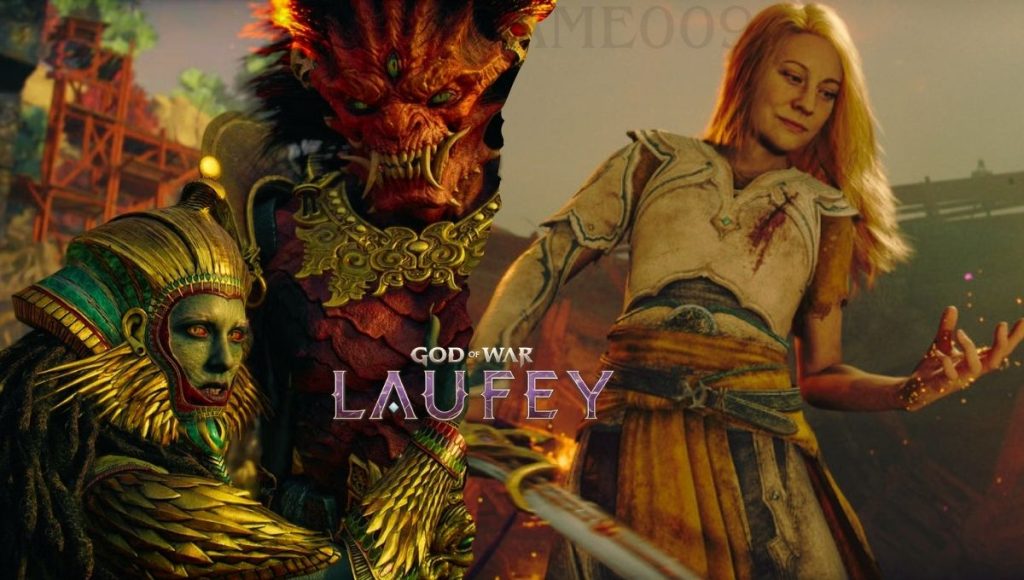
Within the Everywhen, Faye encounters deities from other mythologies. The post mentions Sekhmet, the Egyptian goddess of war, and Begtse, a Mongolian war deity, as early antagonists . Their presence implies that Laufey will broaden the God of War universe beyond Norse lore, potentially foreshadowing future games exploring additional mythologies. The Everywhen also introduces new creatures, making the realm feel both magical and dangerous. By placing Faye at the crossroads of multiple pantheons, Santa Monica Studio can explore the common threads and conflicts between mythic cultures.
Faye’s Character and Motivations
Faye has been an enigma, revealed mostly through other characters’ recollections. In the PlayStation Blog, the Narrative Director explains that Laufey will explore her humanity, strengths and flaws . Fans know her as a formidable warrior who could match Thor in battle and as a loving mother who planned every step of her family’s journey.
According to the Friends & Fables lore archive, she earned the title Laufey the Just by helping the weak and opposing the Aesir, drawing Thor’s attention and respect . Before dying, she instructed Atreus to cremate her and scatter her ashes from the highest peak, a mission that revealed her true heritage and a prophecy for her son . Her foresight also led her to mark trees with her golden hand, dropping the forest’s protective spell and alerting the gods to her presence .

Laufey promises to move beyond these stories by giving players control of Faye. This shift allows the narrative to delve into her internal conflicts: balancing the weight of prophecy with personal desire, reconciling her duty as the Golden Hand of the Jötnar with her love for her family, and confronting the consequences of her plans. By making her the protagonist, Santa Monica Studio can show how she navigates complex moral choices, making her more than the idealised figure painted by others.
Companions on the Journey
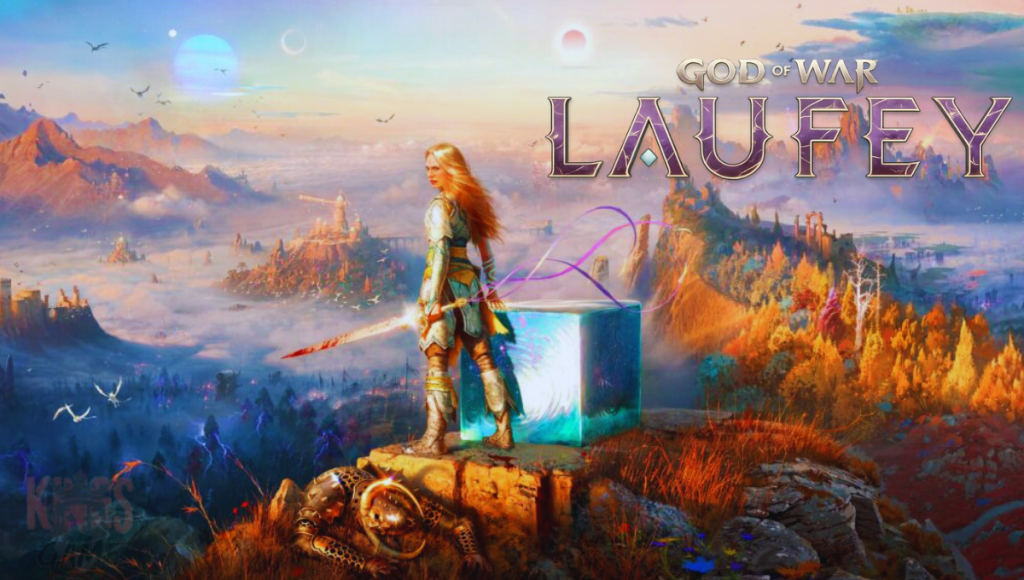
The blog reveals that Faye will not face the Everywhere alone. Reprising her role as Faye, actor Deborah Ann Woll leads the cast, but two new companions join her early in the game . Phranque, voiced by Jack Quaid, is described as a curious cosmic cube with an earnest disposition who will do anything to protect his friends and the creatures of the Everywhere .
This character’s unusual form suggests Santa Monica Studio is experimenting with unconventional allies reminiscent of the Brok and Sindri or Mimir from previous games. Rue, portrayed by Perlina Lau, is an enchanted ribbon guardian who wields a devastatingly powerful sword and is tasked with keeping it from falling into the wrong hands . She entrusts Faye with the blade, and together they journey deep into the Everywhere, battling gods and creatures from across mythologies .
These companions may fill roles similar to those of Atreus or Mimir, providing gameplay and story functions. The cosmic cube Phranque hints at puzzle-solving mechanics, while Rue’s enchanted ribbon and sword could introduce unique combat dynamics, perhaps functioning like the Blades of Chaos in combination with Faye’s own abilities. Moreover, they represent a found family, emphasising themes of loyalty and trust that have become central to God of War. Their interactions could humanise Faye, showing her forging new bonds in the afterlife while fighting for her family’s safety back home.
Blending Mythologies: The Everywhen’s Potential
Setting Faye’s journey in the Everywhen allows the narrative to weave together different mythologies, broadening the scope of the series. The blog notes that this realm is where magic originates and returns , indicating that the essence of gods may linger there. The inclusion of Sekhmet and Begtse as adversaries demonstrates the studio’s willingness to venture beyond Norse stories. While Ragnarök hinted at other pantheons, most notably through Tyr’s knowledge of Greek and Egyptian symbols, Laufey will let players encounter them directly.
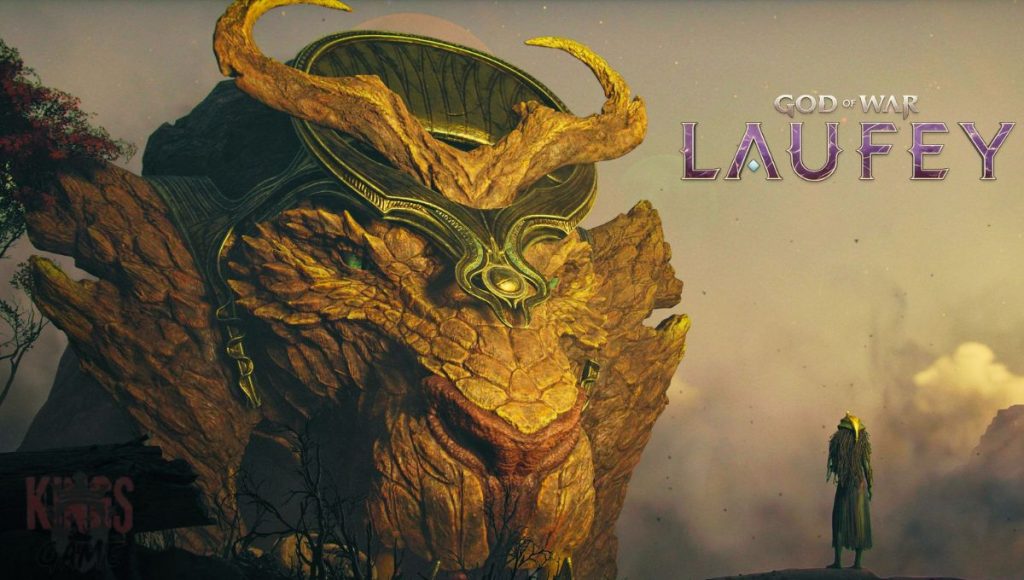
This integration raises the possibility that Faye’s actions in the Everywhen could reverberate across pantheons. For instance, if she disrupts the flow of magic, the consequences might affect the Greek world or other mythic realms. Additionally, exploring the afterlife of gods provides a narrative mechanism to revisit characters thought to be gone. Could Greek gods defeated by Kratos reappear? While the blog stops short of confirming this, it suggests that the game will explore “what happens to the gods when they die” , leaving room for surprises.
Combat: Lethal Agility and Old-School DNA
Combat defines the God of War experience. For Laufey, Santa Monica Studio emphasises that Faye’s combat will feel uniquely fresh yet familiar. As the Golden Hand of the Jötnar, she can match Thor in strength . The developers built her combat to maximise lethality, power and fluidity . They state that they have combined the movement and fluidity of the Greek era with the Norse era’s close-knit world and character-driven design, allowing their team to take creative swings while staying true to series pillars.
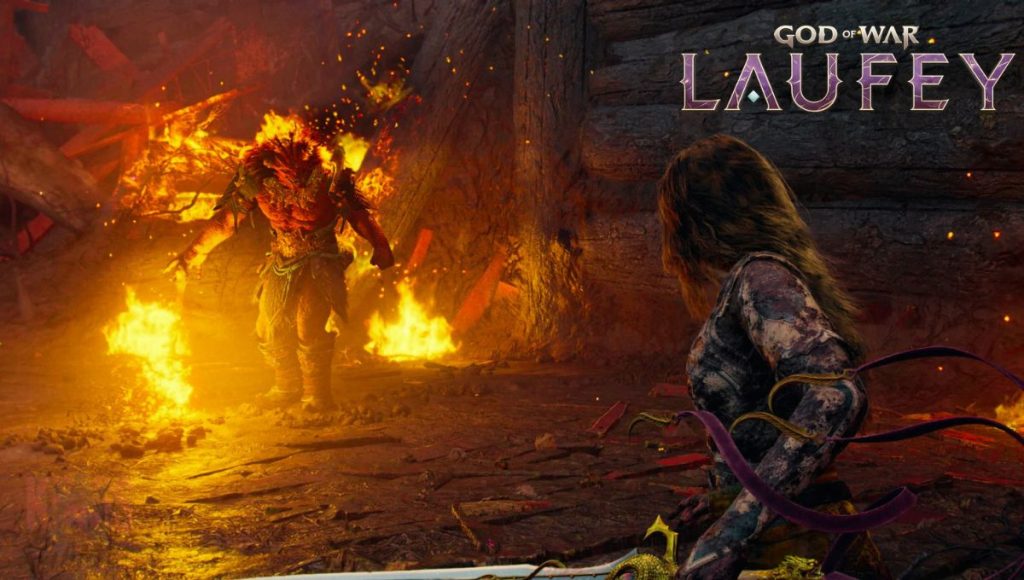
One of the core innovations is Faye’s hyper-responsiveness. She can transition seamlessly between ground and aerial maneuvers without halting the action . This is reminiscent of the juggle-heavy combat from the original trilogy, where Kratos could launch enemies into the air and chain combos. Her enhanced mobility adds many offensive and defensive tools , potentially allowing players to dodge attacks in midair or traverse vertical spaces quickly. The blog teases that what has been shown is only the beginning and that there are many more mechanics to discover.
Legendary Sword and Relentless Momentum
After awakening in the Everywhere, Faye earns Rue’s trust and gains the right to wield her sword . This weapon, along with Faye’s own golden hand, defines her fighting style. The developers describe the tempo of her combat as speed, control and relentlessness , emphasising building momentum from one attack to the next both on the ground and in the air.
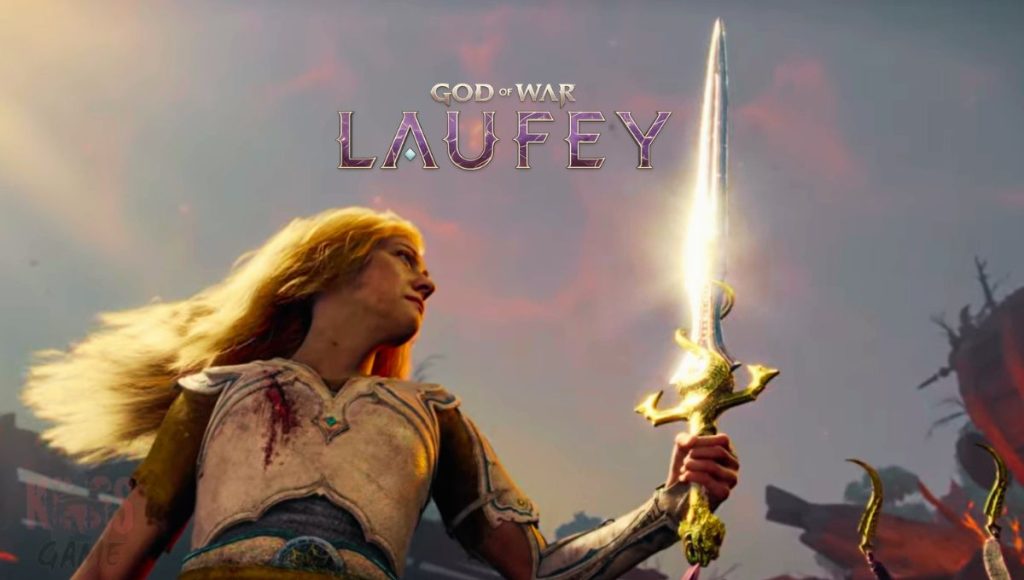
This focus on continuous momentum suggests that combos will not be limited by enemy weight or state; players may be able to chain attacks across multiple foes without losing rhythm. The sword appears to be versatile, possibly combining slashing attacks with magical abilities tethered to Rue’s enchanted ribbon.
Golden Hand of the Jötnar
As the Golden Hand, Faye commands ancient powers. The blog explains that the giants of Jötunheim wielded powerful magic, so much that Odin feared them as a major threat to his rule . Faye, the giants’ most powerful protector, possessed the ability to manipulate souls . Upon entering the Everywhere, her soul-related abilities are amplified because the realm is steeped in primordial magic .
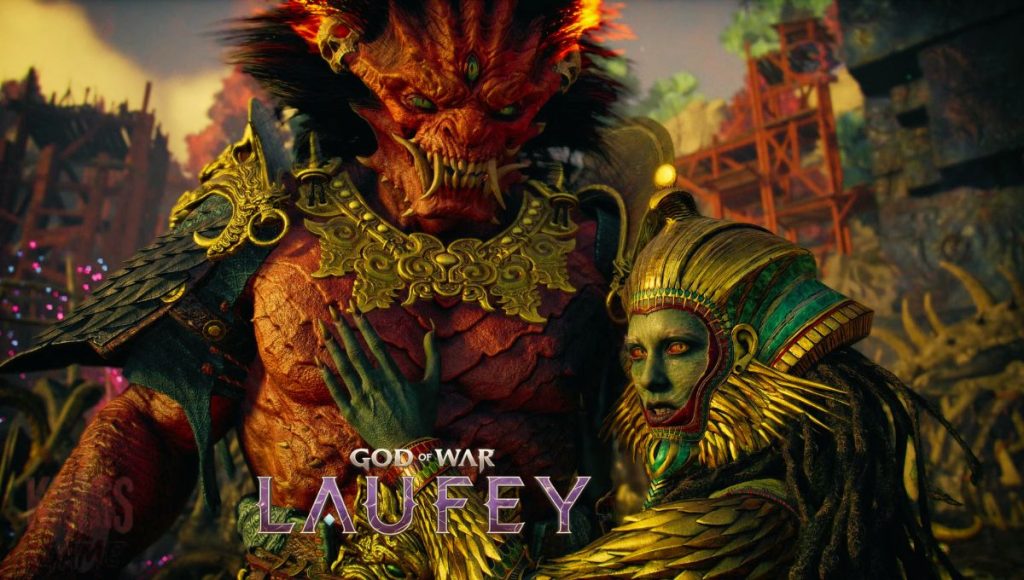
She can strike an enemy’s soul with her golden palm, detaching it from the body . Once separated, she can attack the soul directly, knock it into other enemies or use it in creative ways . This mechanic could create new layers of strategy, such as using a detached soul as a projectile or disabling certain abilities of the soulless body. It also ties thematically into Faye’s role as both a warrior and a guardian of souls, emphasising her connection to the giants’ legacy.
Narrative Stakes and Themes
By centring the game on Faye, Laufey promises to explore themes of legacy, sacrifice and self-discovery. Faye’s actions in earlier games showed her willingness to manipulate events to ensure a desired future for her son. Laufey may challenge her to confront the cost of those manipulations. As she travels through the Everywhen, encountering gods from other pantheons, she will learn more about the cosmic order and possibly question whether interfering with fate is wise. Moreover, the narrative will reveal her personal struggles beyond being a mother and wife, highlighting her own aspirations, regrets and relationships with other giants and gods.
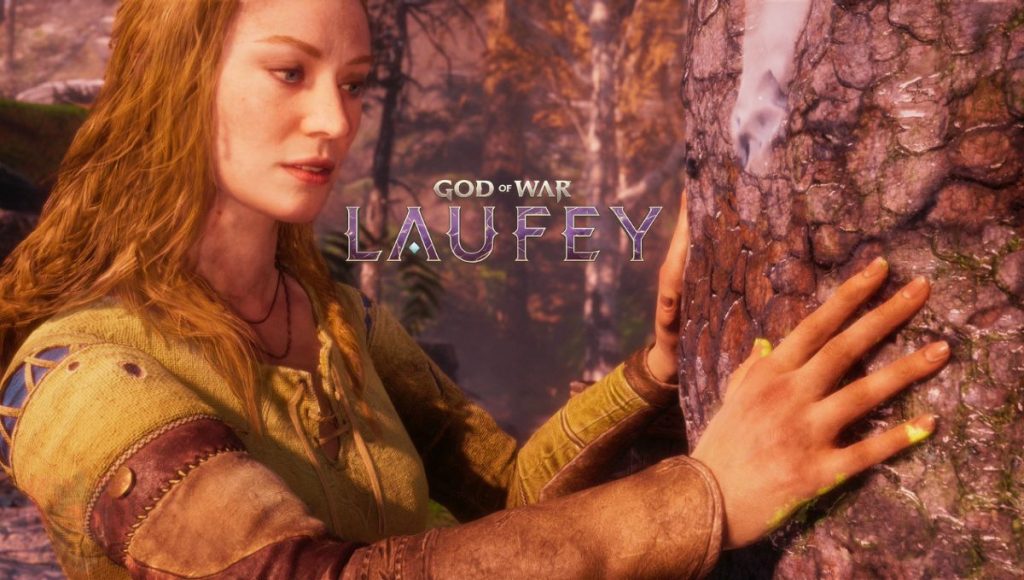
The presence of new companions underscores the theme of found family. Phranque and Rue provide emotional anchors in a realm where time and life as she knew it have ended. Their loyalty suggests that trust and friendship can be forged even in the afterlife, and their diverse origins reflect the game’s embrace of multiple mythologies. Faye’s willingness to depend on others may contrast with Kratos’s lone-wolf persona from earlier entries, showing growth and a different kind of heroism.
Broader Implications for the Series
Laufey is positioned as the next mainline entry in the series, not a spin‑off. Its focus on Faye indicates that Santa Monica Studio is willing to shift the protagonist while maintaining the franchise’s core identity. If successful, it could set a precedent for future games exploring other characters or pantheons. Kratos’s story, though beloved, has spanned two mythological eras, and centring Faye allows the developers to avoid retreading his path while still honouring his legacy.
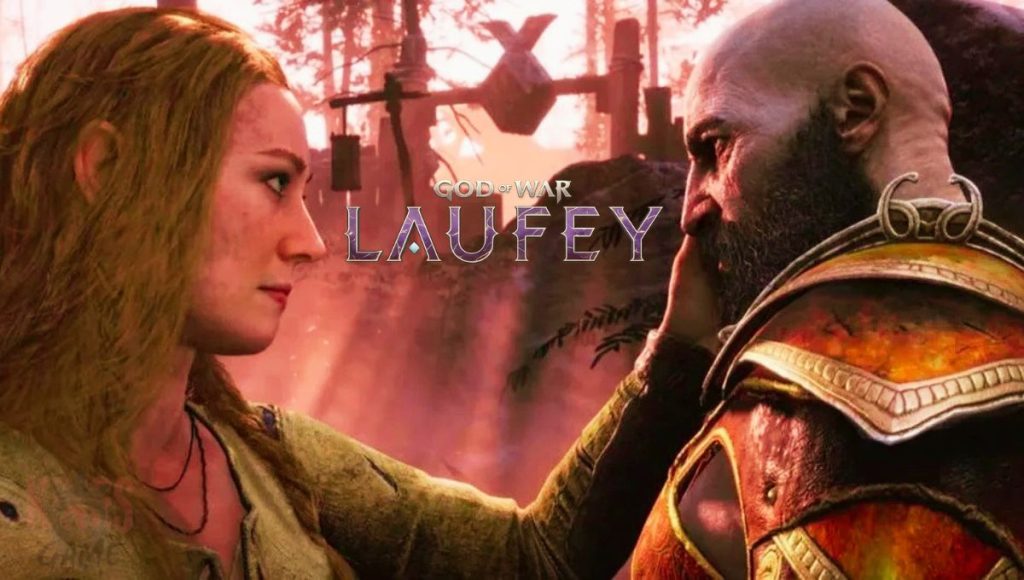
Additionally, introducing the Everywhen could serve as a narrative bridge. The developers might use this realm to connect the Greek and Norse worlds, integrate Egyptian or other myths and set up the next saga. Because the afterlife involves time and reality-bending possibilities, the game might feature cameos or surprises that delight long-time fans. The blog’s mention of the Everywhen as a place where all magic returns hints at a hub that can unify disparate lore. It could also allow the studio to revisit unresolved threads, such as Kratos’s relationship with Athena or the fate of the Greek world after his rampage.
Conclusion
The announcement of God of War: Laufey marks an exciting evolution for the franchise. By placing Faye at the centre of the story, Santa Monica Studio not only honours a fan‑favourite character but also expands the series’ narrative horizons. The Everywhen promises a rich setting that merges mythologies and challenges notions of death and destiny. Faye’s lethal agility, amplified magical powers and newly revealed companions suggest gameplay that honours the series’ signature brutality while introducing fresh mechanics. The Golden Hand of the Jötnar mechanic, which lets players tear out souls and manipulate them in combat , exemplifies the creativity on offer.
Most importantly, Laufey offers an opportunity to explore who Faye really is beyond the roles assigned to her. Her journey through the afterlife will likely reveal her fears, ambitions and the reasons behind her meticulous planning in previous games. As fans await further details, the blog post leaves us with a clear message: the next God of War will stay true to its roots while boldly expanding its mythology. For players who have followed Kratos’s saga from Olympus to Midgard, stepping into Faye’s shoes promises to be a fresh yet familiar experience that may redefine what God of War can be.
God of War: Laufey, FAQs
- What is “God of War: Laufey” about?
It’s the next mainline entry in the series and shifts the focus to Faye (Laufey), Kratos’ wife and Atreus’ mother. After her funeral, she awakens in a mysterious realm called the Everywhen—an afterlife where magic originates and gods from various mythologies co‑exist. She must fight through this realm to protect Kratos and Atreus and find a way back home. - On which platforms will the game be available?
Sony has confirmed that God of War: Laufey is coming to PlayStation 5. The official blog post notes that it’s already available for wishlisting on the PlayStation Store and states the game is “coming soon to PlayStation 5”. No other platforms have been announced. - Is there a release date yet?
There is no official release date. Sony and Santa Monica Studio have not provided a window, but industry reporters such as Jason Schreier have suggested the game is not “years away.” Coverage has speculated that a release in 2026 or 2027 is likely, but this is speculation rather than a confirmed date. - Who are the main characters and who voices them?
Faye (Laufey) is voiced by Deborah Ann Woll. She won’t be alone on her journey; two new companions join her early in the game. Phranque, a curious cosmic cube, is voiced by Jack Quaid, and Rue, an enchanted ribbon guardian with a powerful sword, is voiced by Perlina Lau. These characters will accompany Faye as she traverses the Everywhen. - What new abilities and weapons does Faye have?
Faye is the “Golden Hand of the Jötnar,” meaning she wields powerful magic once feared by Odin. In the Everywhen, her abilities to manipulate souls are amplified—she can strike enemies to pull their souls from their bodies and use them creatively in combat. She also gains an enchanted sword entrusted to her by Rue; together with her enhanced mobility and aerial combat moves, this weapon helps define the game’s fast and fluid fighting style.
Author


