| Quick Recipe Summary | |
|---|---|
| Prep Time | 25 minutes |
| Cook Time | 45 minutes |
| Total Time | 1 hour 10 minutes |
| Servings | 6–8 |
| Cuisine | Fusion / Comfort Food |
| Course | Main Course |
| Difficulty | Easy |
| Calories | Approx. 480–520 per serving |
Table of Contents
- Why This Recipe Works
- Why You’ll Love This Potato Lasagna
- Ingredient Notes
- Kitchen Equipment
- Preparation Information
- Step-by-Step Instructions
- Expert Tips for Perfect Potato Lasagna
- Common Mistakes and How to Avoid Them
- Recipe Variations
- What to Serve With This Recipe
- Make-Ahead Tips
- Meal Prep Tips
- Storage Instructions
- Reheating Instructions
- Nutritional Information
- Troubleshooting Guide
- Frequently Asked Questions
- Final Thoughts
Introduction
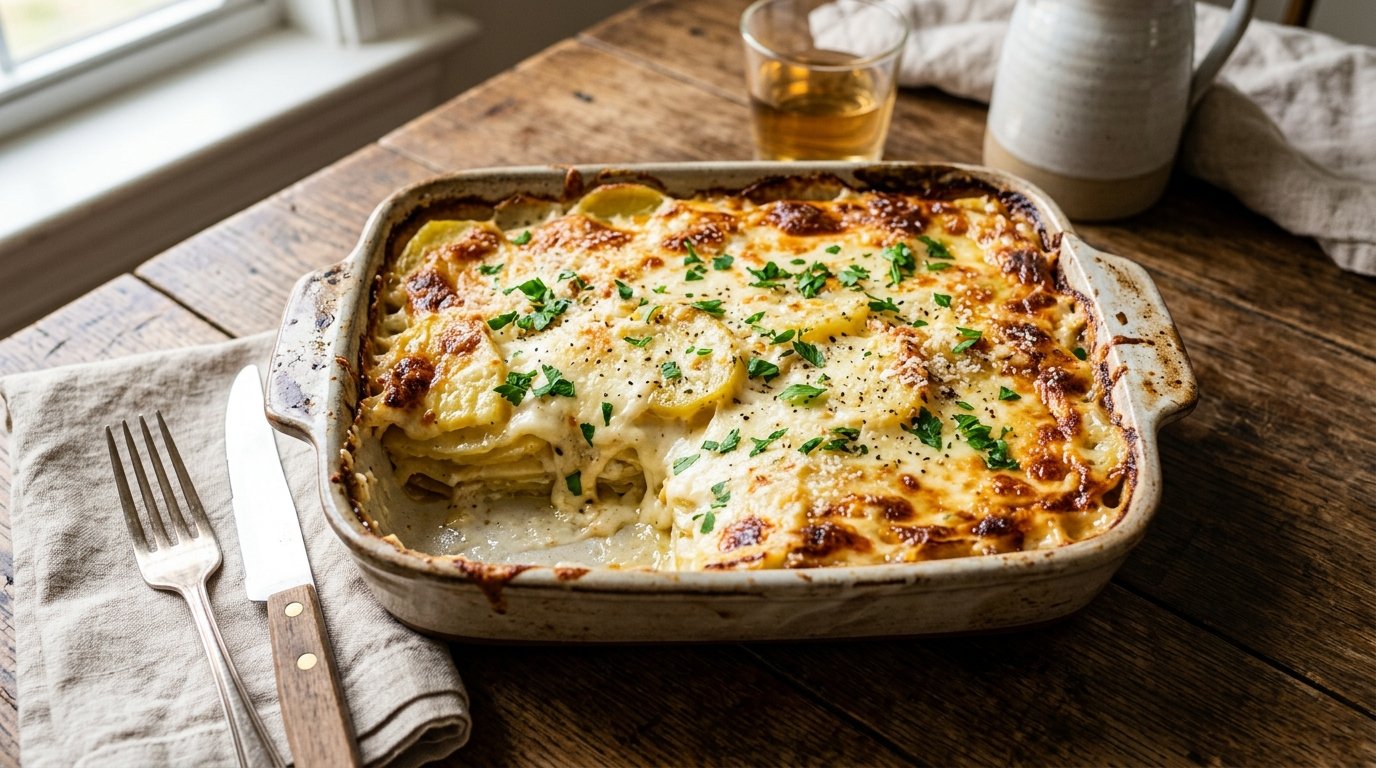
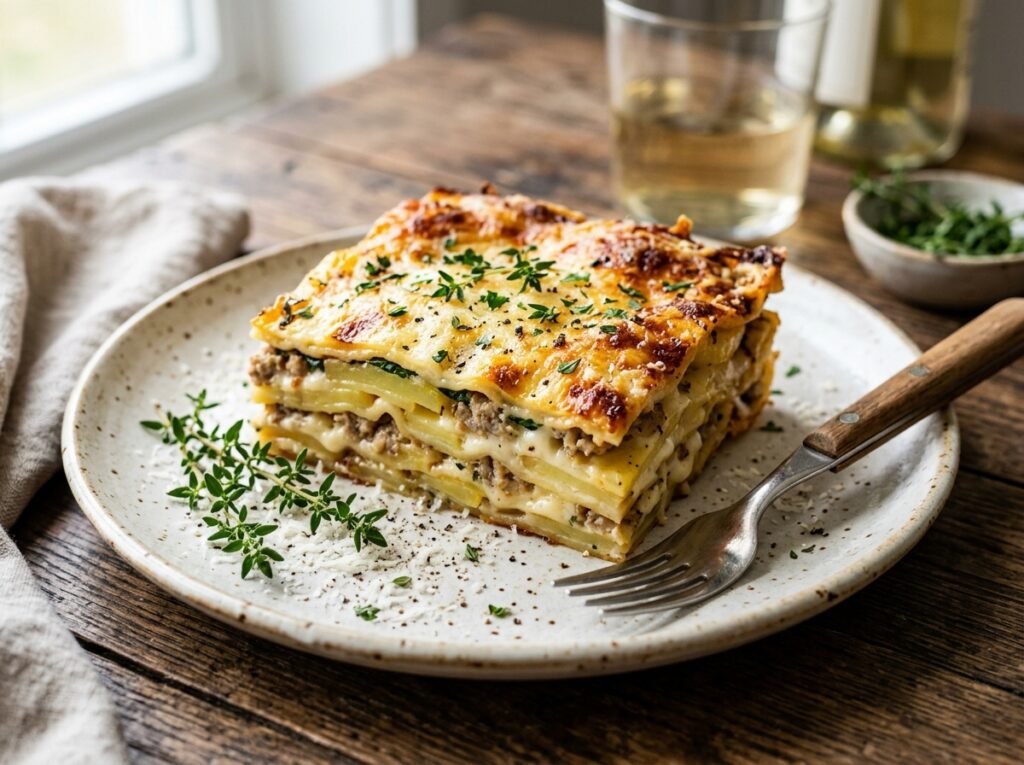
This potato lasagna delivers everything you love about classic lasagna—rich meat sauce, gooey melted cheese, and satisfying layers—without a single pasta sheet. Thin potato slices are fried until golden and crisp, then stacked with seasoned ground beef and plenty of mozzarella right in a skillet. The result is a stovetop comfort dish that comes together faster than traditional baked lasagna and tastes even more indulgent.
If you’ve ever wanted a lasagna that feels lighter yet still deeply satisfying, or if you’re simply looking for a creative way to use potatoes, this recipe is for you. The crispy potato edges stay distinct while the cheese stretches in long, glossy strands. It’s the kind of meal that disappears quickly and leaves everyone asking for the recipe.
Why This Recipe Works
The magic lies in the double cooking of the potatoes. First they are shallow-fried until golden and seasoned, which creates a sturdy, flavorful base that holds up under the meat and cheese. Because the potatoes are already cooked and seasoned, the final low-heat stage only needs to melt the cheese and gently warm the layers. This prevents the potatoes from turning mushy and keeps the overall texture interesting—crisp edges against soft, saucy centers.
The meat mixture is deliberately kept moist but not watery. A short simmer with tomato sauce and a little water creates just enough sauce to bind everything without making the layers soggy. Cooking everything in one large pan means fewer dishes and better heat control than transferring to an oven.
Why You’ll Love This Potato Lasagna
- No boiling pasta or waiting for an oven
- Crispy potato layers instead of soft noodles
- Family-friendly flavors that kids and adults both enjoy
- Easy to customize with different cheeses or proteins
- Impressive cheese pull that looks great on the plate
- Ready in about an hour with mostly hands-off simmering
- Perfect for weeknights yet special enough for weekend dinners
Ingredient Notes
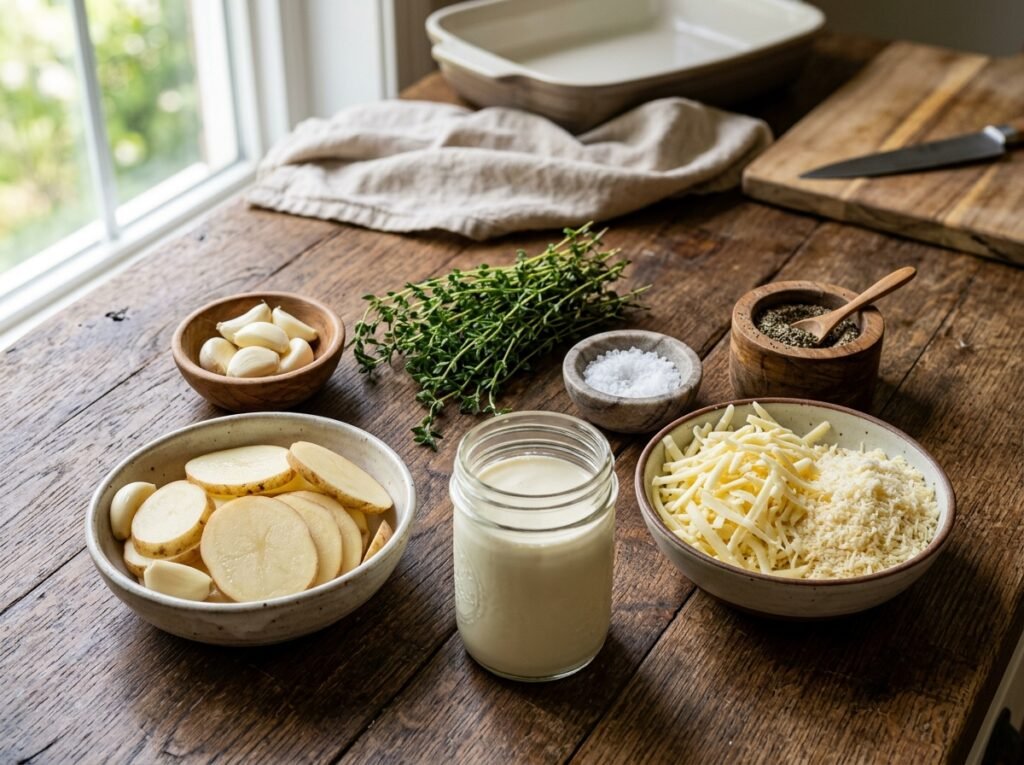
Potatoes Choose firm, starchy potatoes such as russets or Yukon Golds. They fry up crisp and hold their shape. Slice them about ¼-inch thick so they cook evenly without becoming fragile. Purpose: form the structural layers and add mild sweetness. Storage: keep uncooked potatoes in a cool, dark place. Once fried, use the same day for best texture.
Ground Beef 500 grams (about 1.1 pounds) of regular ground beef works well. The fat keeps the filling juicy. Purpose: provides rich, savory flavor and protein. Substitutions: ground turkey, chicken, or plant-based mince. Buying tip: choose freshly ground meat when possible for better texture.
Onion and Bell Peppers One medium onion plus one each of yellow, green, and red bell pepper. The colorful peppers add sweetness, mild bitterness, and visual appeal. Purpose: build aromatic base and moisture. Substitutions: any color combination of peppers, or add diced carrot for extra sweetness.
Garlic Powder Optional but recommended. It distributes evenly without the risk of burning that fresh garlic can bring. Purpose: adds depth. Substitution: 2–3 minced fresh garlic cloves added with the onion.
Tomato Sauce Two tablespoons is enough to coat the meat without making it soupy. Purpose: acidity and umami. Substitution: tomato paste thinned with a splash of water, or a few tablespoons of passata.
Mozzarella Cheese Generous grated mozzarella creates the signature stretch. Purpose: creamy, melty top and middle layers. Substitutions: mix with provolone, cheddar, or a little Parmesan for extra flavor. Buying tip: grate from a block for better melt than pre-shredded.
Oil and Seasonings Neutral oil for frying the potatoes, olive oil for the final pan, salt, black pepper, and a splash of water. These keep flavors balanced and prevent sticking.
Kitchen Equipment
- Large deep skillet or wok for frying potatoes
- Spider strainer or slotted spoon
- Paper towels for draining
- Medium-large skillet or sauté pan for the meat
- Large wide skillet or sauté pan with lid (for assembly)
- Spatula and wooden spoon
- Mixing bowls for prepped ingredients
- Optional: mandoline for even potato slices
Preparation Information
Prep Time: 25 minutes (slicing potatoes and chopping vegetables) Cook Time: 45 minutes Total Time: 1 hour 10 minutes Servings: 6–8 generous portions
Step-by-Step Instructions
Fry the Potato Slices
Heat a generous amount of oil in a deep pan over medium-high heat. Add the sliced potatoes in batches so they are not overcrowded. Fry for several minutes until they turn a beautiful golden brown and the edges begin to crisp. Season lightly with salt while they cook.
Visual cue: the potatoes should look evenly golden with slight bubbling around the edges. Texture cue: they will feel firm yet flexible when lifted.
Remove with a spider strainer and drain on paper towels. Let them cool completely. This step is crucial—hot potatoes release steam that can soften the later layers. Common mistake: overcrowding the pan, which steams instead of fries the potatoes. Work in batches for the best crunch.
Sauté the Aromatics
In a clean skillet, heat a little oil over medium heat. Add the chopped onion and cook until it softens and becomes translucent. Add the diced yellow, green, and red bell peppers. Stir frequently so they soften without browning too much.
Sprinkle in garlic powder (or add fresh garlic) and cook for another minute until fragrant. The kitchen should smell sweet and savory at this point. Purpose: building a flavorful base that seasons the entire dish.
Cook the Ground Beef
Add 500 grams of ground beef to the pan. Break it up with a spatula and cook until the meat changes color from pink to brown.
Once the color has changed, season with 1 tablespoon of salt, black pepper to taste, 2 tablespoons of tomato sauce, and half a cup of water. Stir well and simmer for a few minutes until the liquid reduces and the mixture becomes a cohesive, slightly saucy filling.
Visual cue: the sauce should cling to the meat rather than pool at the bottom. Texture cue: it should look moist but not wet. Turn off the heat and set aside.
Assemble the Potato Lasagna
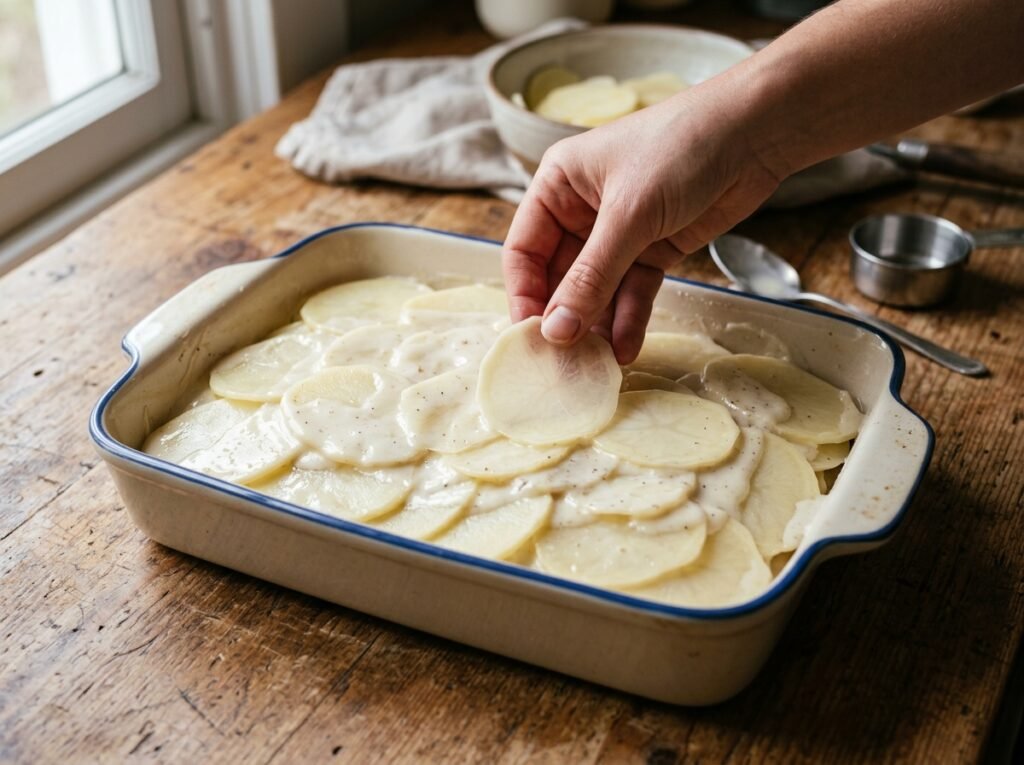
Lightly coat the bottom of a large wide pan with olive oil. Do not turn on the heat yet. Arrange a single layer of the cooled fried potatoes across the bottom, placing them side by side so they cover the surface completely.
Spoon the seasoned meat mixture evenly over the potatoes and spread it out. Sprinkle a generous layer of grated mozzarella over the meat.
Add another layer of fried potatoes on top of the cheese, covering it as completely as possible. Repeat the process—meat, cheese, potatoes—if your pan is deep enough, finishing with a final thick layer of mozzarella.
Purpose of the cold start: the potatoes and meat are already cooked, so gentle heat only needs to melt the cheese without overcooking anything underneath.
Melt the Cheese
Cover the pan with a lid and turn the heat to low. Let the lasagna cook gently until the cheese is fully melted and beginning to brown in spots. This usually takes 10–15 minutes.
Visual cue: the cheese should look glossy and bubbly with light golden patches. Aroma cue: the rich scent of melted cheese and seasoned beef will fill the kitchen.
Turn off the heat. Let the dish rest for a couple of minutes so the layers settle, then serve generous portions with a spatula.
Expert Tips for Perfect Potato Lasagna
- Slice the potatoes evenly so they cook at the same rate.
- Drain the fried potatoes thoroughly; excess oil makes the final dish greasy.
- Taste the meat mixture before assembling—adjust salt and pepper then.
- Use a pan large enough that the layers stay relatively thin; thick stacks take longer to heat through.
- For extra stretch, grate the mozzarella yourself and avoid pre-shredded cheese with anti-caking agents.
- Keep the final heat low. High heat can scorch the bottom potatoes before the cheese melts.
Common Mistakes and How to Avoid Them
Soggy potatoes Cause: stacking while still hot or adding too much liquid to the meat. Fix: cool the potatoes completely and reduce the meat sauce properly.
Dry or bland filling Cause: under-seasoning or over-reducing the sauce. Fix: taste and adjust before layering; keep a little moisture in the meat.
Cheese that won’t melt evenly Cause: heat too high or cheese piled too thickly in the center. Fix: use low heat and spread the cheese in an even layer.
Burnt bottom Cause: high heat during the final melting stage. Fix: stay on low and check after 8–10 minutes.
Recipe Variations
- Spicy: Add red pepper flakes or a diced chili with the peppers.
- Vegetarian: Replace beef with sautéed mushrooms, lentils, or a plant-based mince.
- Extra Cheesy: Mix mozzarella with cheddar or add a layer of cream cheese.
- Chicken: Use ground chicken or finely shredded cooked chicken instead of beef.
- Healthier: Bake the potato slices instead of frying, or use lean ground turkey.
- Low-Carb: Keep the potato quantity moderate and increase the cheese and meat layers.
What to Serve With This Recipe
This potato lasagna is rich enough to stand alone, but it pairs beautifully with a simple green salad dressed with lemon vinaigrette, steamed broccoli, or garlic bread. For a fuller meal, serve with plain white rice as suggested in the original method. A light red wine or sparkling water with lemon completes the table. For dessert, keep it simple with fresh fruit or a small scoop of vanilla ice cream.
Make-Ahead Tips
Fry the potatoes and cook the meat filling up to one day ahead. Store separately in the refrigerator. Assemble and melt the cheese just before serving so the potatoes stay crisp.
Meal Prep Tips
Portion the finished lasagna into individual containers once cooled. It reheats well and makes an easy grab-and-go lunch.
Storage Instructions
Refrigerate leftovers in an airtight container for up to 3 days. For longer storage, freeze individual portions for up to 2 months. Thaw overnight in the refrigerator before reheating.
Reheating Instructions
- Oven or toaster oven: Cover with foil and heat at 350°F (175°C) until warmed through.
- Stovetop: Place a portion in a covered skillet over low heat with a splash of water.
- Microwave: Heat in short bursts, covering to retain moisture.
- Air fryer: Reheat at 320°F (160°C) for a few minutes to restore some crispness on top.
Nutritional Information
Approximate values per serving (based on 7 servings): Calories: 500 Protein: 28 g Carbohydrates: 32 g Fat: 30 g Fiber: 4 g Sugar: 5 g Sodium: 780 mg
Values will vary depending on exact potato size, cheese amount, and oil absorption.
Troubleshooting Guide
- Layers sliding apart: Let the dish rest a few minutes after cooking so the cheese sets slightly.
- Too oily: Drain the fried potatoes more thoroughly next time and blot excess oil from the meat.
- Cheese browning too fast: Lower the heat and check earlier.
- Undercooked center: Ensure the meat was fully cooked before assembling and give the covered pan enough time on low heat.
Frequently Asked Questions
Can I bake this potato lasagna instead of cooking it on the stove? Yes. Assemble in an oven-safe dish, cover with foil, and bake at 375°F (190°C) for 20–25 minutes, then uncover to brown the cheese.
Do I have to fry the potatoes? Frying gives the best texture, but you can roast the slices at 425°F (220°C) until golden if you prefer less oil.
Can I use sweet potatoes? Yes, though the flavor will be sweeter and the texture slightly softer.
How do I know when the cheese is ready? It should be fully melted, glossy, and starting to form light golden spots.
Is this recipe freezer-friendly? Yes. Freeze after the final melting stage or freeze unassembled components separately.
Can I make it ahead for a party? Prepare the components a day ahead and assemble just before guests arrive. The final melting only takes 10–15 minutes.
What if I don’t have three colors of peppers? Use whatever peppers you have. The dish will still taste excellent.
How thin should the potato slices be? About ¼ inch (just under 1 cm) works best—thin enough to cook through but thick enough to stay intact.
Final Thoughts
This potato lasagna proves that comfort food doesn’t need complicated techniques or long oven times. Crispy golden potatoes, savory seasoned beef, and rivers of melted mozzarella come together in one skillet for a meal that feels both familiar and new. The next time you’re craving lasagna but want something a little different, give this stovetop version a try. Serve it hot, watch the cheese stretch, and enjoy the satisfied smiles around the table.