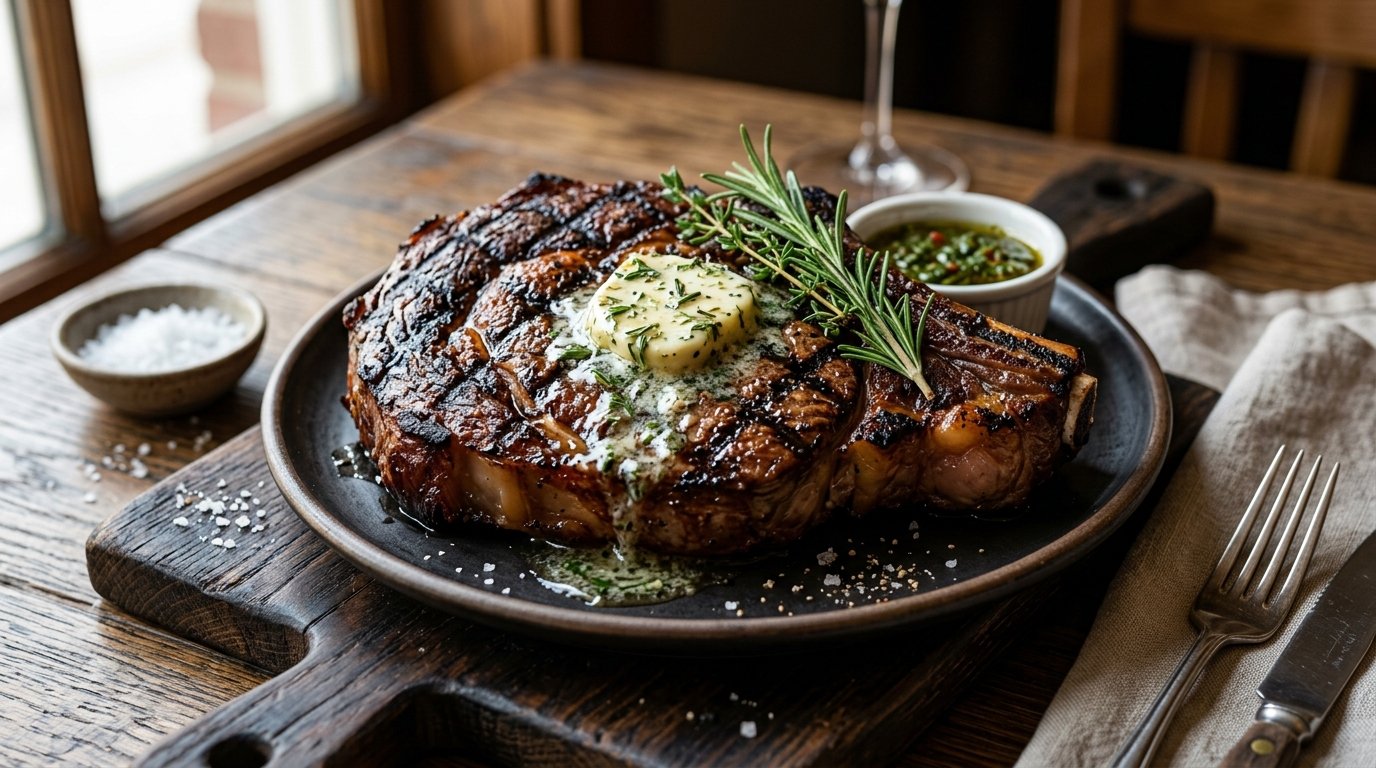
There is a sound that triggers an primal response in every meat lover: the aggressive, rhythmic sizzle of cold fat hitting screaming hot iron. Achieving that auditory cue, along with those coveted diamond-patterned grill marks, is the hallmark of mastering the perfect grilled ribeye steak. Unlike thinner cuts that can dry out before developing a crust, the ribeye’s generous marbling acts as internal basting, ensuring juiciness even over high heat. However, many home cooks struggle with flare-ups, sticking, or uneven cooking that ruins this premium cut. This guide breaks down the science of thermal transfer and timing to help you achieve restaurant-quality results in your backyard. Whether you are firing up the grill for a summer barbecue or treating yourself to a weeknight luxury, understanding these fundamentals transforms good beef into an unforgettable dining experience. Let’s get that fire roaring and learn how to grill with confidence.
Why This Technique Works
The success of a perfect grilled ribeye steak relies on managing two competing chemical reactions: the Maillard reaction and rendering. The Maillard reaction, responsible for that deep brown crust and complex savory flavors, only occurs rapidly above 300°F (150°C). By preheating the grill to high heat and ensuring the steak surface is dry, we maximize this reaction within the first few minutes of contact. Simultaneously, the intramuscular fat (marbling) in a ribeye must render slowly enough to lubricate the muscle fibers but quickly enough to prevent chewiness. The cross-hatch grilling technique isn’t just aesthetic; rotating the steak 90 degrees halfway through the sear creates more surface area exposure to direct heat, accelerating crust formation without overcooking the interior. Furthermore, allowing the steak to come to room temperature before grilling reduces the thermal shock, promoting more even cooking from edge to center. This method respects the ingredient’s biology while leveraging physics to create culinary perfection.
Why You’ll Love This Recipe
Restaurant-Quality Crust: High-heat searing creates a flavorful bark that locks in juices.
Iconic Presentation: Perfect diamond grill marks make for stunning photos and impressive plating.
Juicy Interior: Proper heat management ensures the rich marbling renders without drying out the meat.
Simple Ingredients: Relies on the quality of the beef rather than complex marinades or rubs.
Fast Cooking Time: Ready in under 15 minutes of active grilling time.
Versatile Doneness: Technique works equally well for rare, medium-rare, or medium preferences.
Crowd Pleaser: Ribeye is universally loved for its balance of tenderness and bold beefy flavor.
Ingredient Notes
Bone-In or Boneless Ribeye Steak (1.5 – 2 inches thick)
Purpose: The star protein. Thickness is critical; thin steaks (<1 inch) will overcook before developing proper grill marks. Marbling provides flavor and moisture.
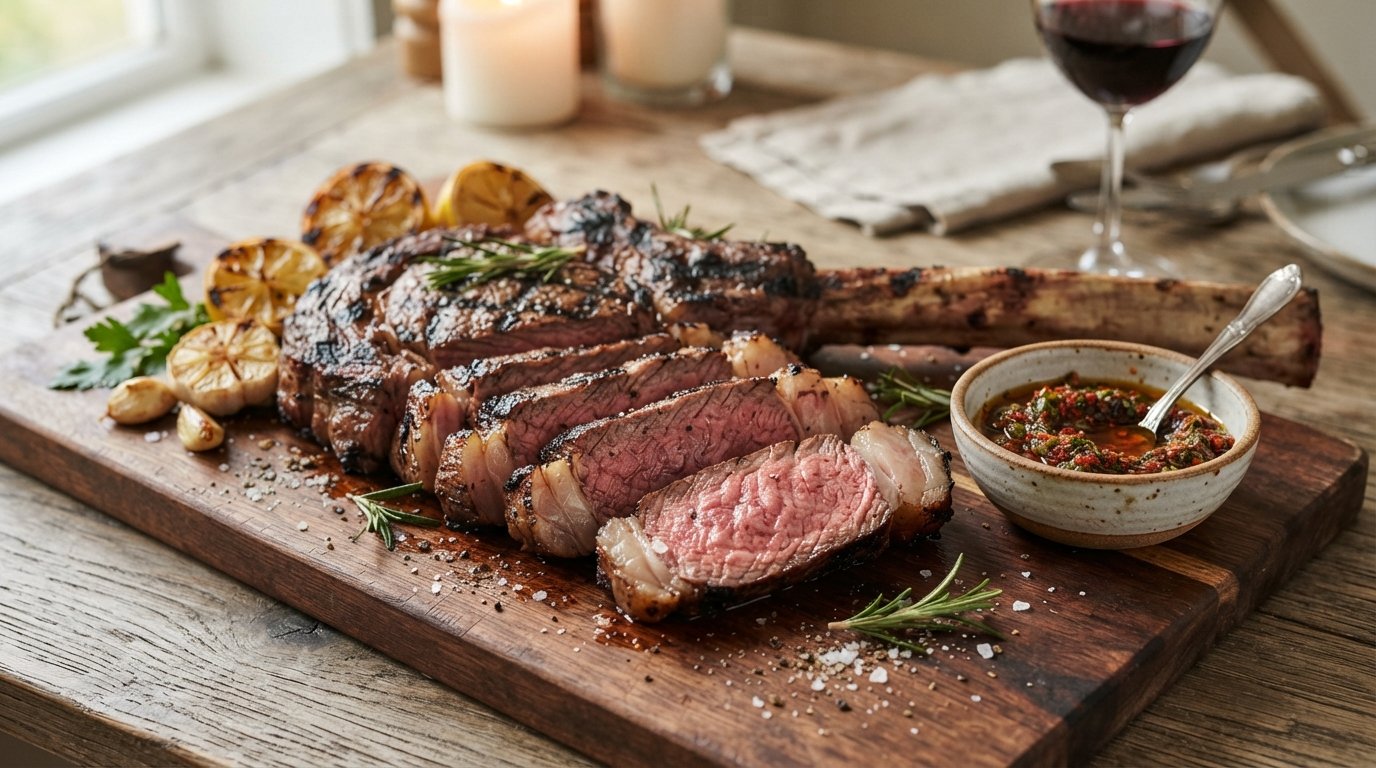
Substitutions: New York Strip (leaner, less marbling), Sirloin (budget-friendly, leaner), or Tomahawk (bone-in ribeye with long bone for presentation). Avoid Filet Mignon for this specific high-heat sear method as it lacks fat cap protection.
Buying Tips: Look for “Choice” or “Prime” grading for adequate marbling. Ask your butcher for “center-cut” ribeyes for uniform thickness. Color should be bright cherry red, not brown or gray. Fat should be creamy white, not yellow.
Storage Tips: Refrigerate immediately upon purchase. Use within 3-5 days for peak freshness. For longer storage, vacuum seal and freeze up to 6 months. Thaw slowly in refrigerator for 24-48 hours before cooking.
Kosher Salt & Coarse Black Pepper
Purpose: Seasoning enhances natural beef flavor. Kosher salt adheres better and seasons more evenly than table salt. Pepper adds aromatic heat and visual contrast.
Substitutions: Sea salt flakes (finish only), garlic powder (if desired), or steak seasoning blends. Avoid liquid marinades if seeking pure crust; sugar-based rubs burn at high grill temps.
Buying Tips: Use freshly cracked pepper; pre-ground loses volatile oils rapidly. Diamond Crystal kosher salt is preferred by chefs for consistent flake size and lower salinity by volume compared to Morton’s.
Storage Tips: Store salt in airtight container away from humidity. Keep peppercorns whole until ready to use; grind fresh for maximum aroma.
High-Smoke Point Oil (Optional)
Purpose: Prevents sticking and aids heat transfer. Only necessary if grill grates aren’t well-seasoned or steak is very lean.
Substitutions: Avocado oil, grapeseed oil, or refined canola oil. Avoid Extra Virgin Olive Oil or butter for initial searing; low smoke points cause burning and bitter acrid flavors.
Buying Tips: Check smoke point rating; aim for >450°F (230°C). Neutral flavor profile ensures beef taste remains dominant.
Storage Tips: Store in cool, dark place. Discard if oil smells rancid or cloudy. Apply sparingly to steak or grates, not both, to prevent excessive flare-ups.
Kitchen Equipment
Charcoal or Gas Grill: Essential for high direct heat. Charcoal offers superior flavor/smoke; gas offers convenience/temperature control. Both work if capable of reaching 500°F+.
Long-Handled Tongs: Metal tongs with scalloped edges provide secure grip without piercing meat (which releases juices). Avoid plastic tips that melt at high heat.
Instant-Read Thermometer: Non-negotiable for accuracy. Visual cues are unreliable due to varying steak thickness/grill hot spots. Target 130°F for medium-rare.
Wire Brush or Grill Scraper: Clean grates before heating to remove old residue that causes sticking/off-flavors. Safety first: clean when warm, not scorching hot.
Aluminum Foil or Resting Rack: For resting steak post-grill. Tenting loosely retains heat without steaming crust. Rack allows air circulation preventing soggy bottom.
Chef’s Knife & Cutting Board: Sharp knife ensures clean slicing against grain. Wood or composite board protects blade edge.
Oven Mitts/Heat-Resistant Gloves: Protect hands from radiant heat when adjusting vents/flipping large cuts.
Preparation Information
Prep Time: 10 minutes (plus 30-60 min tempering)
Cook Time: 8-12 minutes
Total Time: ~50 minutes (including rest)
Servings: 2 people
Step-by-Step Instructions
H3: Temper and Dry the Steak
Remove steak from fridge 30-60 minutes before grilling. Pat completely dry with paper towels. Season generously with kosher salt and coarse pepper on all sides, including edges. Why it matters: Cold steak hits hot grill = uneven cook (gray band exterior, raw center). Moisture on surface creates steam barrier preventing sear/crust formation. Salting early draws out moisture which then reabsorbs, seasoning interior. Visual cue: Surface matte/dry, no glistening moisture. Seasoning adheres uniformly. Texture cue: Room temp feel, not chilled. Common mistake: Salting immediately before grilling; gives salt no time to penetrate. Pro tip: If short on time, salt right before grill but ensure surface is bone-dry.
H3: Preheat Grill to Screaming Hot
Clean grates thoroughly. Oil grates lightly if needed. Close lid; preheat to HIGH (500-600°F) for 10-15 minutes. Create two zones if possible: direct heat for searing, indirect for finishing. Why it matters: Thermal mass of grates must be saturated to maintain temp when cold meat hits. Insufficient preheat = sticking/poor marks. Two-zone setup prevents burning while achieving doneness. Visual cue: Grates shimmering/hot. Flames licking grate level (gas) or coals ashed over/glowing orange (charcoal). Aroma cue: Clean metallic smell; no burnt food odor. Safety note: Never leave unattended during preheat; flare-up risk.
H4: Sear First Side for Grill Marks
Place steak on hottest part of grill at 10 o’clock angle relative to grate bars. Press down gently once to ensure contact. DO NOT MOVE for 2-3 minutes. Why it matters: Angle creates diagonal lines. Movement disrupts Maillard reaction; patience builds crust. Pressure maximizes surface contact for even charring. Visual cue: Edges begin browning. Smoke rises steadily. Sound cue: Aggressive sizzle indicates proper heat transfer. Silence = too cool/wet. Doneness check: Lift corner slightly after 2 mins; if releasing easily with defined marks, ready to rotate. Sticking = needs more time.
H3: Rotate 90 Degrees for Crosshatch
Rotate steak 90 degrees clockwise (to 2 o’clock position). Cook another 2-3 minutes undisturbed. Why it matters: Creates perpendicular lines forming diamond pattern. Exposes new surface area to heat accelerating crust development without flipping. Visual cue: Distinct second set of lines intersecting first. Deep mahogany color developing. Texture cue: Firm resistance when pressed; crust forming. Common mistake: Flipping instead of rotating; loses crosshatch opportunity. Pro tip: Resist urge to press down again; juices already extracting.
H3: Flip and Repeat on Second Side
Flip steak using tongs. Place at 10 o’clock angle on fresh grate section (or cleaned area). Cook 2-3 minutes. Rotate 90 degrees. Cook final 2-3 minutes. Why it matters: Even cooking requires symmetrical treatment. Fresh grate section prevents sticking to carbonized bits. Total cook time varies by thickness/doneness preference. Color cue: Uniform dark brown crust on both faces. Edges caramelized. Aroma cue: Rich roasted beef/nutty fat scent. Acrid smoke = flare-up; move steak temporarily. Internal Temp Check: Insert thermometer horizontally into thickest center. Pull at 125-130°F for medium-rare. Carryover cooking raises 5-10°F during rest.
H3: Rest Before Serving
Transfer steak to cutting board/rack. Tent loosely with foil. Rest 5-10 minutes. Slice against grain. Why it matters: Muscle fibers contract during heat squeezing juices to center. Resting allows relaxation/redistribution. Cutting immediately = juice loss on board. Slicing against grain shortens muscle fibers = tender bite. Visual cue: Juices pooling slightly on board then reabsorbing. Steam subsiding. Texture cue: Yielding to touch, not rigid. Critical tip: Do NOT skip rest. 5 minutes minimum. Perfection requires patience.
Expert Tips for Perfect Grill Marks
Grate Geometry Matters: Wider spaced grates create bolder marks but less overall sear. Narrow grates give finer pattern/more crust. Choose based on aesthetic preference vs. flavor priority.
The “Lift Test” Is Your Friend: Never force a stuck steak. It will tear. If resistant, wait 30-60 seconds. Protein releases naturally when crust forms. Forcing = ruined presentation + lost juices.
Manage Flare-Ups Proactively: Fat dripping causes flames that soot steak bitter/black. Have spray bottle water ready. Move steak to indirect zone momentarily if flames engulf. Trim excess external fat cap if prone to massive flare-ups.
Thermometer Placement Precision: Insert probe parallel to grate, into geometric center. Avoid touching bone/fat pockets which conduct heat differently giving false readings. Multiple checks ensure accuracy.
Butter Baste Finish (Optional): During last minute, add knob of butter/herbs to grill near steak. Spoon melted foam over meat. Adds richness/gloss without burning butter directly on grate. Restaurant trick for extra luxury.
Clean Grates Between Steaks: Carbon buildup transfers bitter flavor/sticks next piece. Brush vigorously between each steak. Maintain pristine surface for consistent results throughout cookout.
Common Mistakes to Avoid
Mistake: Gray Band Around Edge
Why: Grill not hot enough, steak too cold, or overcrowded grill dropping temp.
Prevention: Preheat adequately. Temper steak. Cook one/two at a time. Ensure roaring fire/high BTUs.
Fix: Cannot reverse. Next time, prioritize heat intensity over speed. Sear harder/faster.
Mistake: Burnt Exterior, Raw Interior
Why: Heat too high without two-zone setup, or steak too thick for direct-only method.
Prevention: Use indirect zone to finish after searing. Lower heat slightly if charring too fast. Monitor temp constantly.
Fix: Move to indirect heat immediately. Cover grill; cook gently until target temp reached. Accept darker crust.
Mistake: Tough, Chewy Texture
Why: Overcooked past medium, sliced with grain, or poor quality cut.
Prevention: Pull at correct temp. Slice against grain visibly. Invest in Prime/Choice grade.
Fix: Slice thinly against grain. Serve with chimichurri/sauce to mask texture. Next time, watch thermometer closely.
Mistake: Sticking/Ruined Crust
Why: Wet steak, dirty grates, moving too soon, or insufficient oil.
Prevention: Dry thoroughly. Clean/oil grates. Wait for natural release. High heat seals surface instantly.
Fix: Scrape off stuck bits carefully. Accept rustic appearance. Focus on prevention next cook.
Recipe Variations
Spicy Cajun Rubbed Ribeye
Coat with paprika, cayenne, garlic/onion powder, thyme before grilling. Bold heat complements rich fat. Watch for burning spices; reduce heat slightly or sear shorter. Serve with remoulade.
Herb-Crusted Garlic Butter Steak
Top rested steak with compound butter (parsley, rosemary, garlic). Melts into crevices adding aromatic richness. Elegant finish elevating simple grill technique. Classic steakhouse pairing.
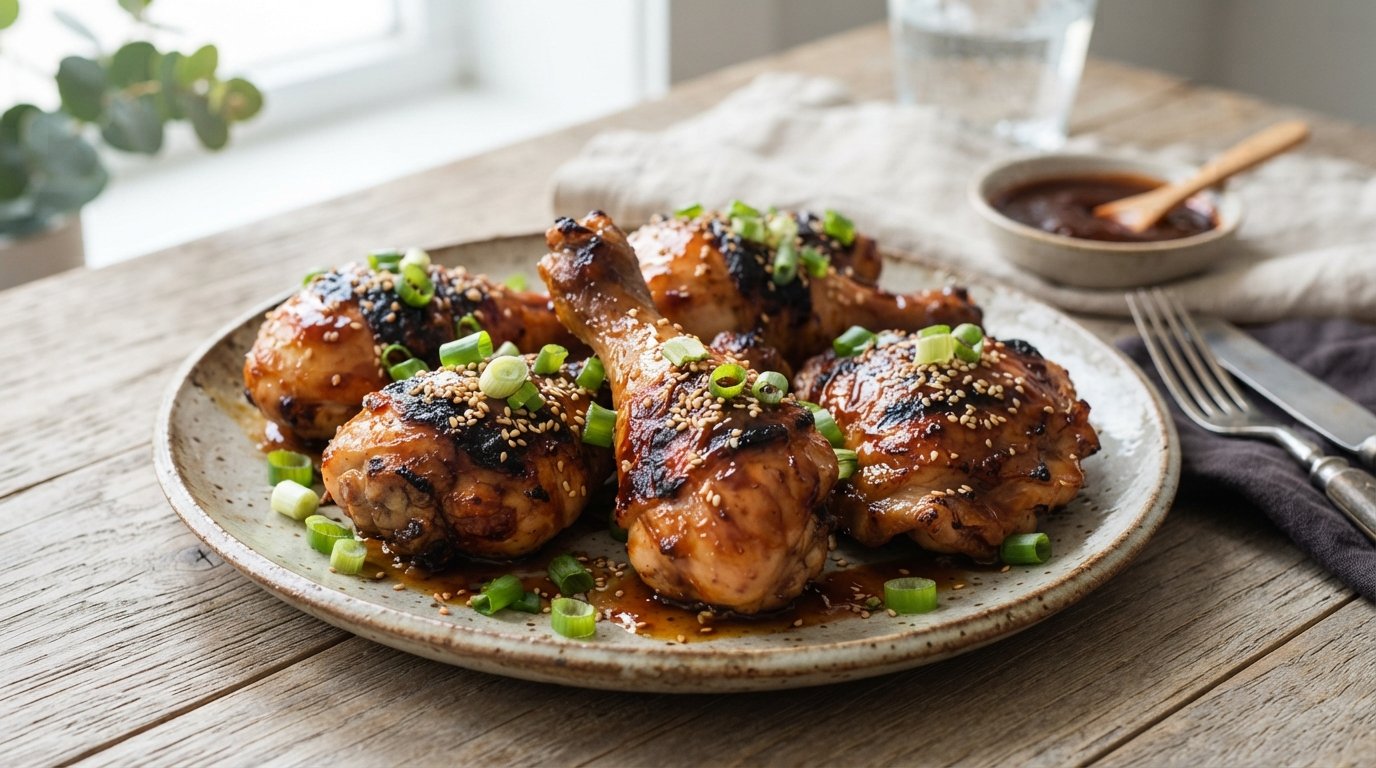
Brush with reduced soy/ginger/sesame/honey mixture during last minute. Umami bomb with sticky-sweet finish. Garnish scallions/sesame seeds. Fusion twist on traditional BBQ.
Blue Cheese Crumble Finish
Sprinkle crumbled blue cheese over hot rested steak. Pungent/salty contrast cuts richness dramatically. Creamy texture mirrors marbling. Bold choice for adventurous palates.
Salt/pepper only. No rubs/sauces. Pure beef essence celebrated. Ideal for keto/carnivore diets. Quality of meat paramount here. Minimalist approach maximizing ingredient integrity.
High-Protein Post-Workout Power Steak
Pair with grilled chicken breast side or egg topping. Maximize protein intake. Simple seasoning avoids hidden sugars/carbs. Functional nutrition meeting indulgence.
Smoked Paprika & Cumin Dust
Spanish-inspired warmth. Smoky depth mimics charcoal flavor even on gas grill. Vibrant red color visually striking. Earthy cumin grounds rich fat notes.
Whiskey-Bourbon Glazed
Deglaze pan with whiskey/bourbon + brown sugar/butter. Boozy sweetness with oak undertones. Flambe optional for drama. Sophisticated adult flavor profile complementing char.
Remove steaks from fridge 30-60 mins before cook. Season during this window. Allows salt penetration/surface drying simultaneously. Efficient workflow minimizing active prep stress.
Compound Butter Prep
Make flavored butter days ahead. Roll into log; chill/freeze. Slice discs for instant finishing. Flavor infusion improves over time. Convenient luxury on demand.
Side Dish Coordination
Prep salads/marinades morning-of. Par-cook potatoes/asparagus if timing tight. Finish sides while steak rests. Seamless service flow preventing cold food/waiting guests.
Storage Instructions
Refrigerator
Store leftover cooked steak in airtight container up to 3-4 days. Slice before storing for easier reheating/portions. Keep separate from sides to prevent sogginess. Quality declines daily; consume promptly.
Freezer
Freeze cooked steak slices in single layer then bag. Up to 3 months best quality. Label with date/content. Thaw overnight in fridge before reheating. Texture changes slightly; best for sandwiches/salads vs standalone.
Raw Steak Storage
Refrigerate raw ribeye up to 3-5 days. Freeze up to 6-12 months vacuum-sealed. Thaw slowly in fridge 24-48 hrs. Never refreeze thawed raw meat. Safety/tquality compromised.
Reheating Instructions
Oven (Best Method)
Preheat 250°F (120°C). Place steak on rack over sheet pan. Heat 10-15 mins until 110°F internal. Sear briefly in hot skillet 30 sec/side to restore crust. Gentle warming preserves doneness/juiciness.
Air Fryer (Quick Crisp)
Preheat 350°F (175°C). Heat 3-4 mins checking frequently. Restores some crispness faster than oven. Monitor closely to avoid overcooking. Good compromise for speed/texture.
Microwave (Last Resort)
Low power 30 sec intervals. Steak will gray/lose crust. Use only if desperate. Add sauce/butter to mask texture loss. Accept diminished quality for convenience.
Stovetop (Skillet Revival)
Medium-low heat. Add splash broth/butter. Cover briefly to steam-warm gently. Uncover to crisp surface. More control than microwave. Better moisture retention.
Nutritional Information
Approximate values per serving (based on 12oz cooked ribeye):
Calories: 650 kcal
Protein: 52g
Carbohydrates: 0g
Fat: 48g
Fiber: 0g
Sugar: 0g
Sodium: 580mg (varies with salt)
Note: Values vary based on trim level, cooking method, and added fats/sauces. Consult nutrition labels for precise calculations. These are estimates for general guidance.
Troubleshooting Guide
Problem: Steak Stuck to Grate
Cause: Insufficient heat, wet surface, dirty grates, or premature movement.
Solution: Wait! Protein releases when crust forms. If still stuck after 1 min, increase heat briefly. Next time, dry thoroughly/preheat adequately/oil grates.
Problem: Excessive Flare-Ups
Cause: Too much external fat, sugary rubs, or grease buildup.
Solution: Move steak to indirect zone temporarily. Spray water mist. Trim fat cap. Clean grates. Avoid sugar-heavy marinades on high heat.
Problem: Uneven Doneness
Cause: Inconsistent thickness, hot/cold spots on grill, or uneven tempering.
Solution: Pound/thick-end adjustments pre-cook. Rotate steak position during cook. Use thermometer multiple points. Two-zone cooking manages variance.
Problem: Bitter/Charred Flavor
Cause: Burnt spices, soot from flare-ups, or carbonized grate residue.
Solution: Trim blackened edges. Clean grates thoroughly pre-cook. Manage flare-ups proactively. Reduce spice load if burning persists.
Problem: Dry/Tough Result
Cause: Overcooking, poor quality cut, or slicing with grain.
Solution: Use thermometer religiously. Invest in better grade meat. Always slice against grain. Rest adequately. Marinate tougher cuts (not ideal for ribeye though).
Frequently Asked Questions
How do I get perfect crosshatch grill marks?
Angle steak 10 o’clock initially. Cook undisturbed 2-3 mins. Rotate 90° to 2 o’clock. Cook 2-3 mins more. Flip repeat. Key factors: HIGH heat, DRY surface, PATIENCE (no moving!), clean grates. Practice makes permanent.
Should I oil the steak or the grates?
Oil grates lightly if well-seasoned/cast iron. Oil steak lightly if stainless/grates prone to stick. Goal: thin film preventing adhesion without causing flare-ups. Too much oil = fire hazard/bitter taste. Less is more.
Can I grill frozen ribeye?
Yes! Reverse sear method works brilliantly. Grill indirect low (250°F) until 110°F internal (~30-40 mins). Then sear hard direct high 1-2 mins/side. Surprisingly even cook/no gray band. Requires planning but excellent results.
Why does my steak taste metallic/bloody?
Undercooked/myoglobin not denatured sufficiently. Or reactive grill grates (aluminum/copper). Ensure proper doneness temp. Use cast iron/stainless grates. Acidic marinade can also cause metallic perception. Balance flavors carefully.
How long should I rest the steak?
Minimum 5 minutes for standard 1.5″ steak. Thicker cuts need 10+ mins. Rule of thumb: half total cook time. Resting non-negotiable for juiciness. Tent loosely; tight wrap steams crust soft.
Can I use a gas grill for authentic flavor?
Absolutely! Add smoker box with wood chips (hickory/mesquite/apple). Preheat thoroughly. Gas offers superior temp control reducing error margin. Flavor difference minimal vs charcoal when managed well. Convenience wins often.
What if I overcook my steak?
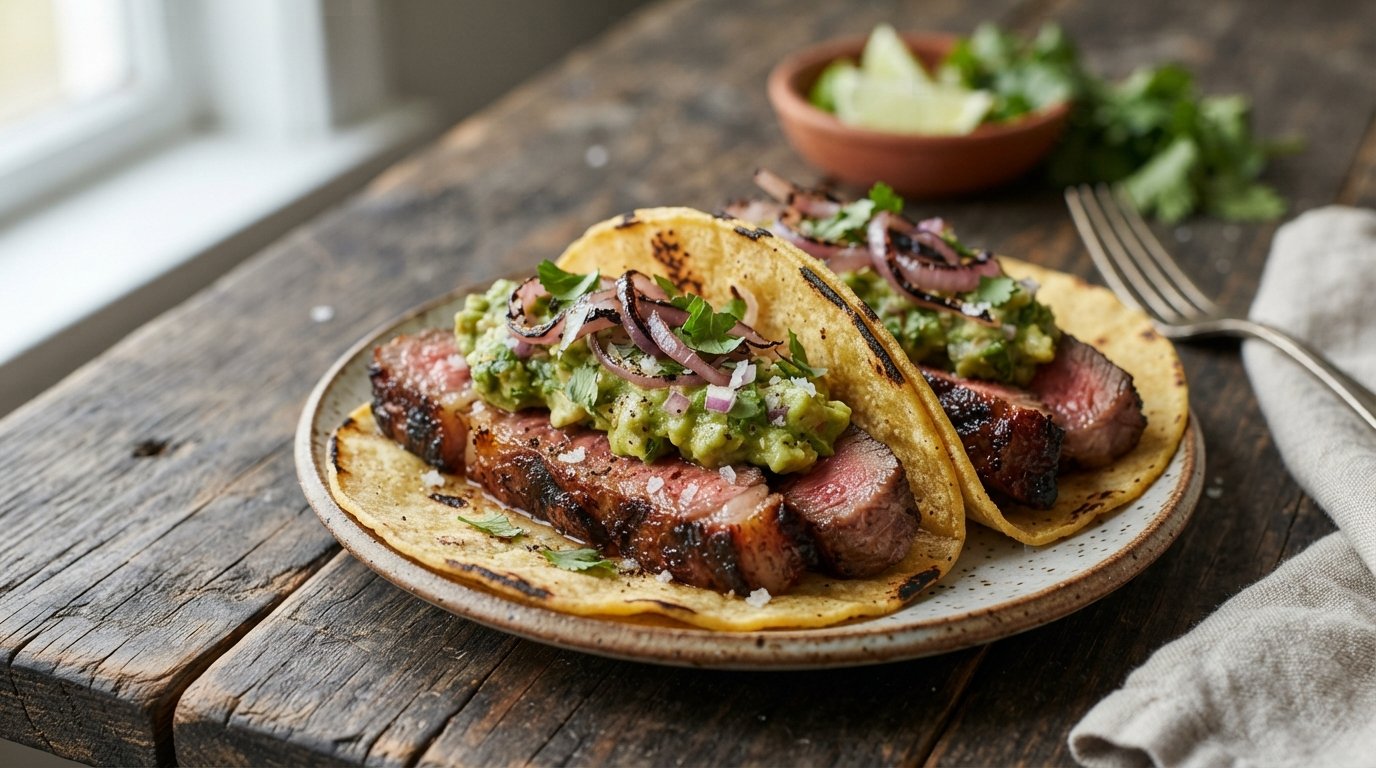
Slice thinly against grain. Serve with rich sauce (béarnaise/mushroom cream). Repurpose in sandwiches/stir-fries/salads. Learning curve inevitable. Thermometer prevents recurrence. Embrace mistakes as education.
Is bone-in really better?
Debatable scientifically. Bone insulates slightly slowing cook near it. Some claim marrow flavors meat; evidence anecdotal. Primarily aesthetic/presentation value. Cook time adjustment needed (+1-2 mins). Choose based on preference/budget.
Final Thoughts
Mastering the perfect grilled ribeye steak is less about following rigid rules and more about understanding the relationship between heat, time, and quality ingredients. That satisfying sizzle and beautiful crosshatch pattern are rewards for patience and attention to detail. Whether you’re hosting a summer cookout or enjoying a quiet dinner al fresco, the confidence gained from nailing this technique elevates every meal. Don’t be discouraged by imperfect attempts; even professional chefs refine their craft continuously.