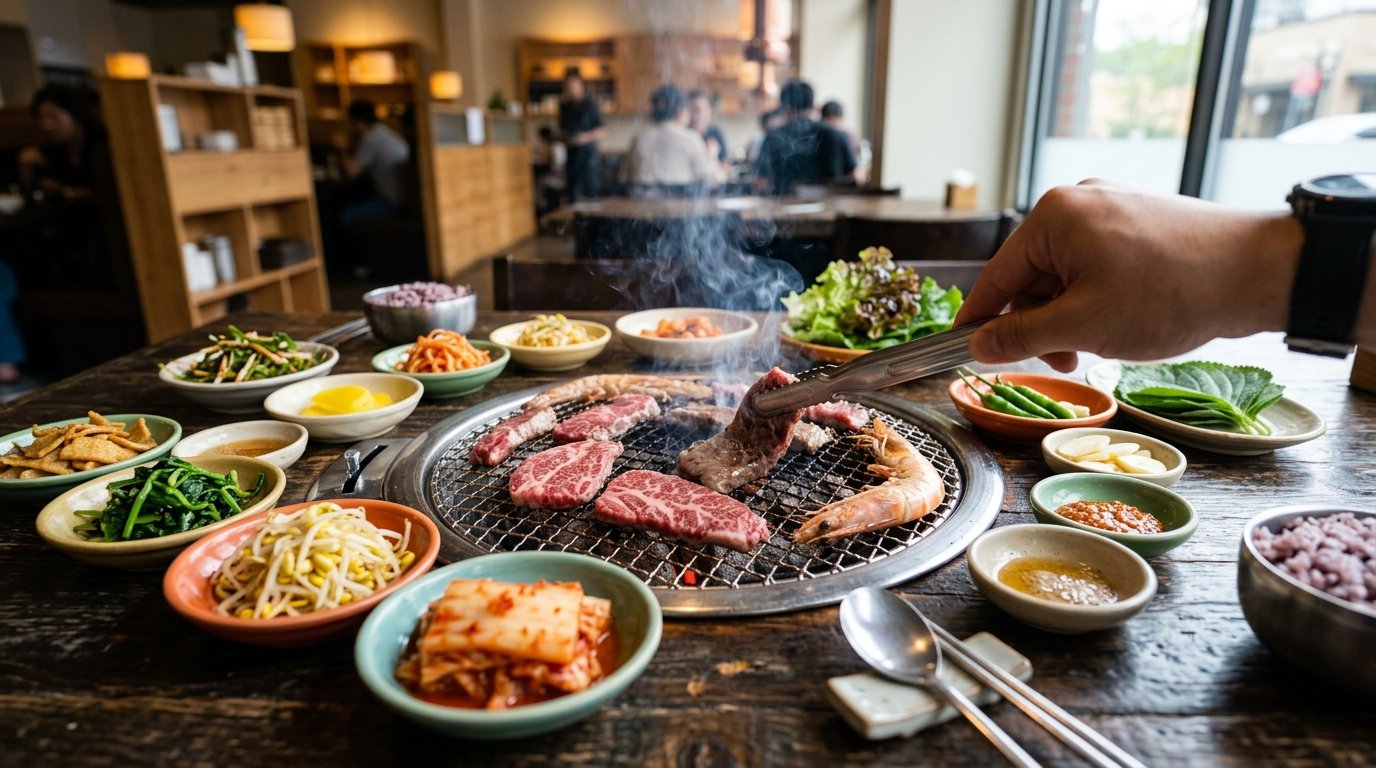
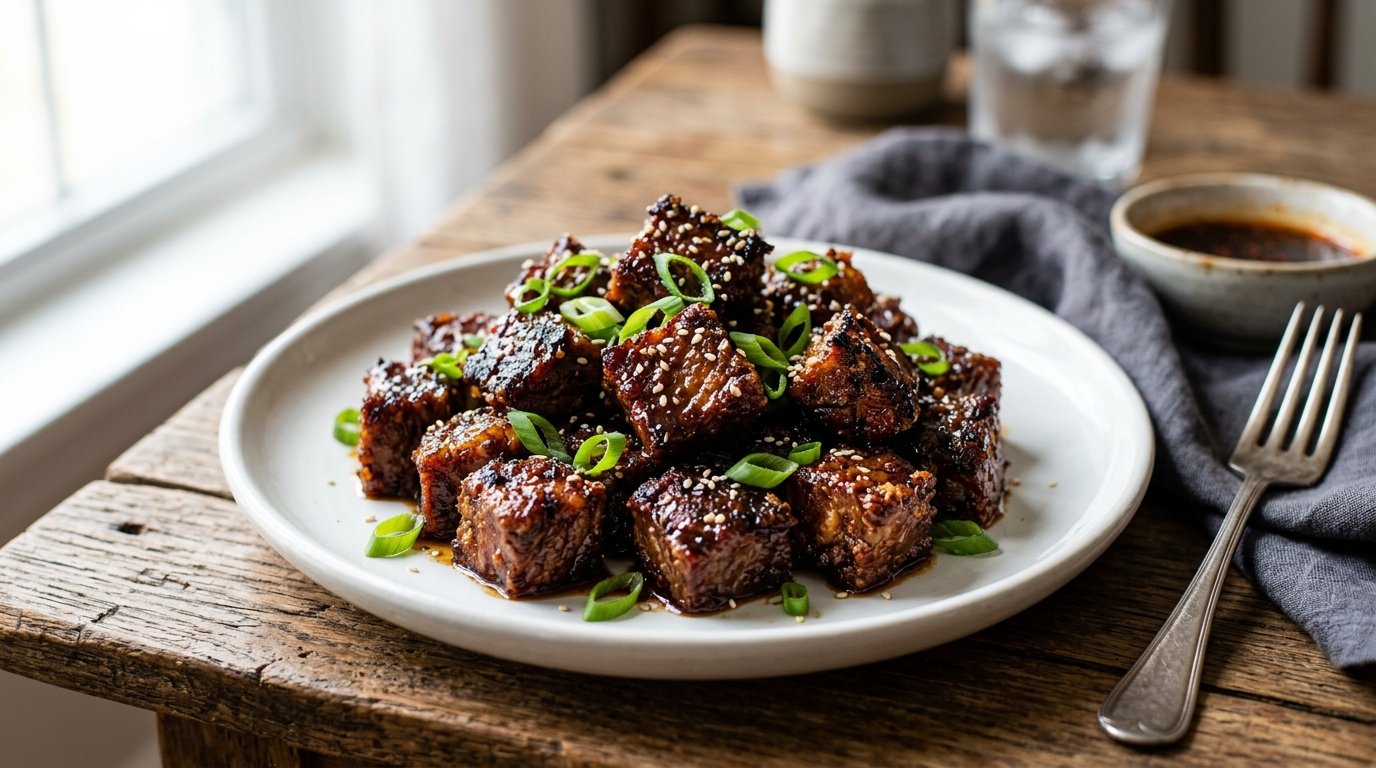
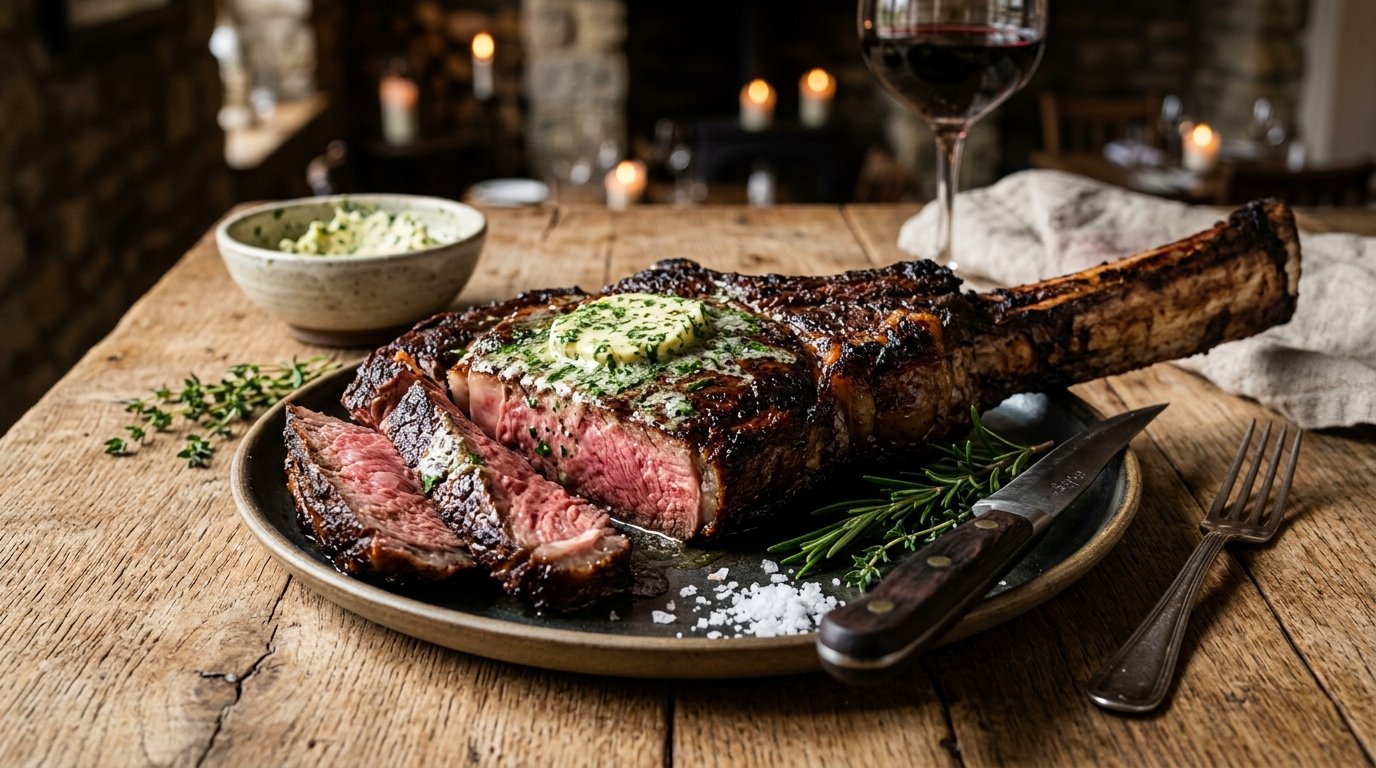
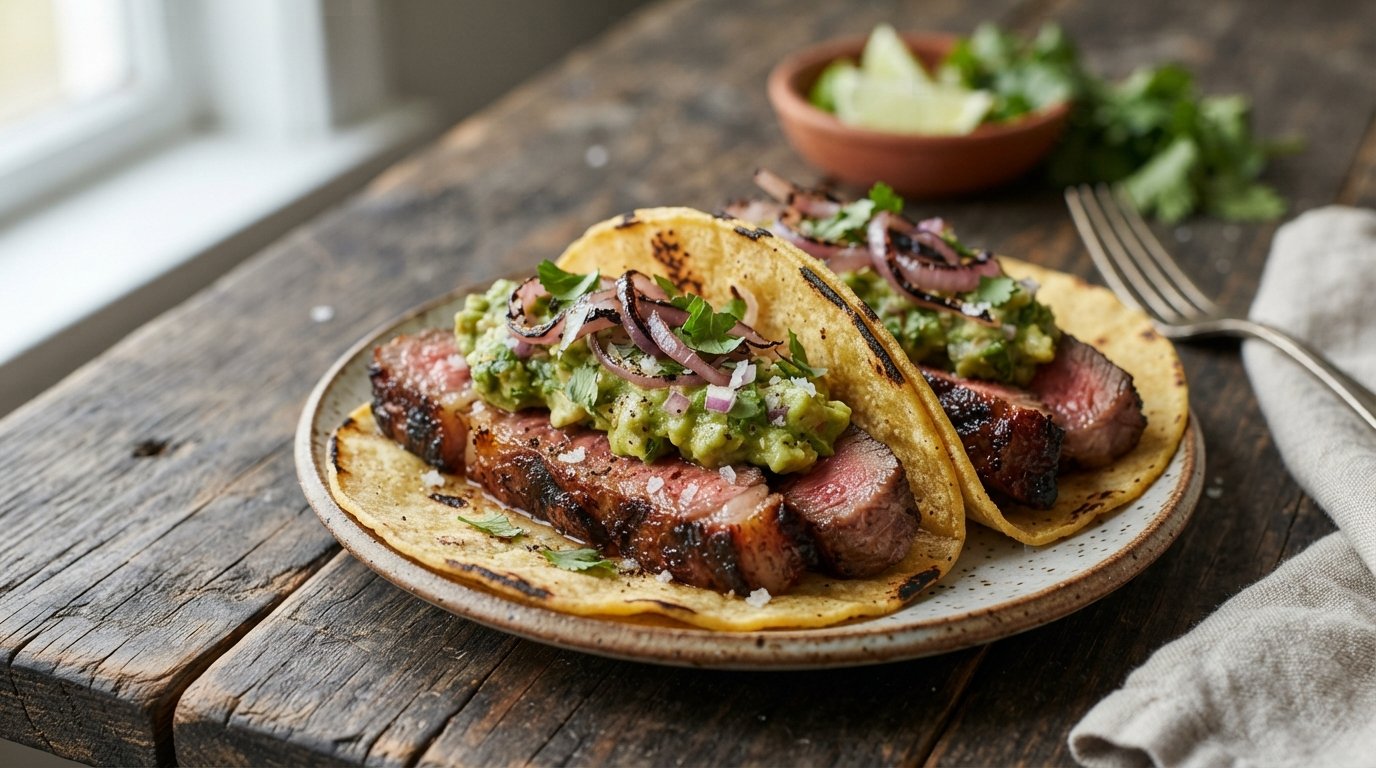
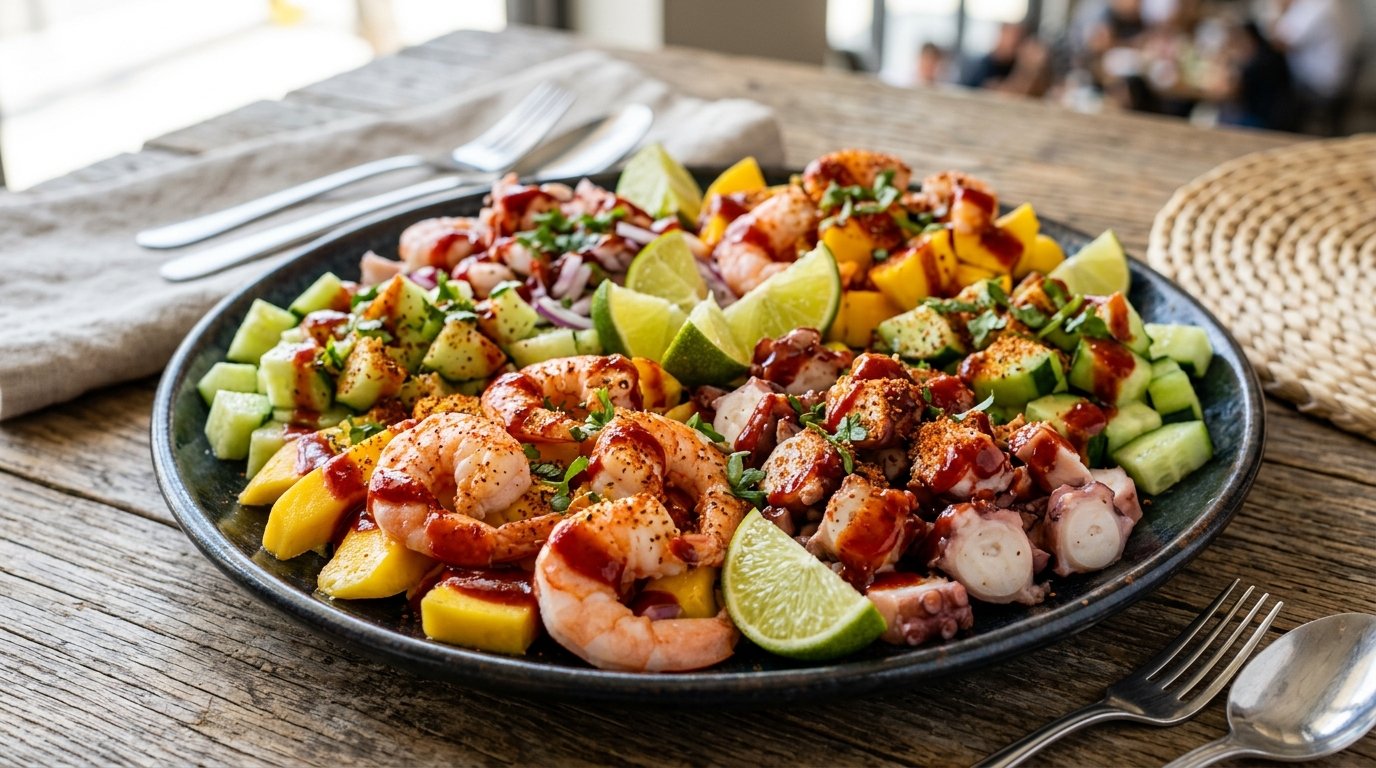
There is a distinct, electric joy in gathering around a tabletop grill, watching marbled beef sizzle over glowing charcoal while the aroma of garlic and sesame oil fills the air. Recreating this experience with an authentic Korean BBQ feast at home transforms a simple dinner into an interactive culinary event that engages all the senses. Unlike Western grilling where the cook stands apart from the guests, Korean BBQ is communal, rhythmic, and deeply social. The magic lies not just in the high-quality meat, but in the symphony of textures and flavors created when you combine grilled proteins with crisp lettuce, pungent kimchi, savory ssamjang, and refreshing side dishes.
This guide will walk you through building a restaurant-quality spread in your own dining room. We will cover everything from selecting the right cuts of beef like ribeye and brisket to preparing essential banchan such as spicy tofu stew and cheesy corn. Whether you are using a portable charcoal grill or an indoor electric option, mastering the art of the Korean BBQ feast at home allows you to control the quality of ingredients while enjoying the vibrant atmosphere of a Seoul-style grill house without leaving your neighborhood. Let’s fire up the grill and bring the taste of Korea to your table.
Why This Recipe Works
The success of a Korean BBQ feast at home relies on the principle of balance and contrast. Korean cuisine is masterful at juxtaposing rich, fatty meats with acidic, fermented, and fresh elements to cleanse the palate. The fat from the beef renders onto the hot grill, creating a smoky fond that subtly flavors the shrimp cooked alongside it. Meanwhile, the sharp bite of raw garlic and the heat of gochujang-based sauces cut through the richness of the meat, preventing flavor fatigue.
Furthermore, the “cook-it-yourself” aspect is functional, not just theatrical. Cooking meat in small batches ensures every piece is served at peak temperature and texture. Beef tastes vastly different when eaten immediately off the grill versus sitting under a heat lamp. By bringing the heat source to the table, you guarantee that the Maillard reaction—the chemical browning that creates complex savory flavors—is preserved until the exact moment of consumption. This immediacy, combined with the variety of textures in the wraps (crisp lettuce, chewy meat, crunchy radish), creates a multisensory eating experience that static plated meals simply cannot replicate.
Why You’ll Love This Recipe
Interactive Dining Experience: Turns dinner into an activity where everyone participates, breaking the ice and encouraging conversation.
Customizable Flavors: Every guest builds their own perfect bite, adjusting spice levels, garlic intensity, and sauce ratios to their personal preference.
High-Protein Variety: Offers a diverse range of proteins including marbled beef, lean pork belly, and succulent shrimp, catering to different tastes.
Gut-Healthy Ferments: Incorporates traditional banchan like kimchi and doenjang-jjigae, which are rich in probiotics and beneficial bacteria.
Visual Spectacle: The sizzling grill, vibrant red stews, and colorful vegetable platters make for stunning presentation and memorable photos.
Scalable for Crowds: Easily adjustable portion sizes make it perfect for intimate family dinners or large celebratory gatherings.
Authentic Atmosphere: Replicates the neon-lit, bustling vibe of Korean grill houses with the right setup and playlist.
Ingredient Notes
Proteins
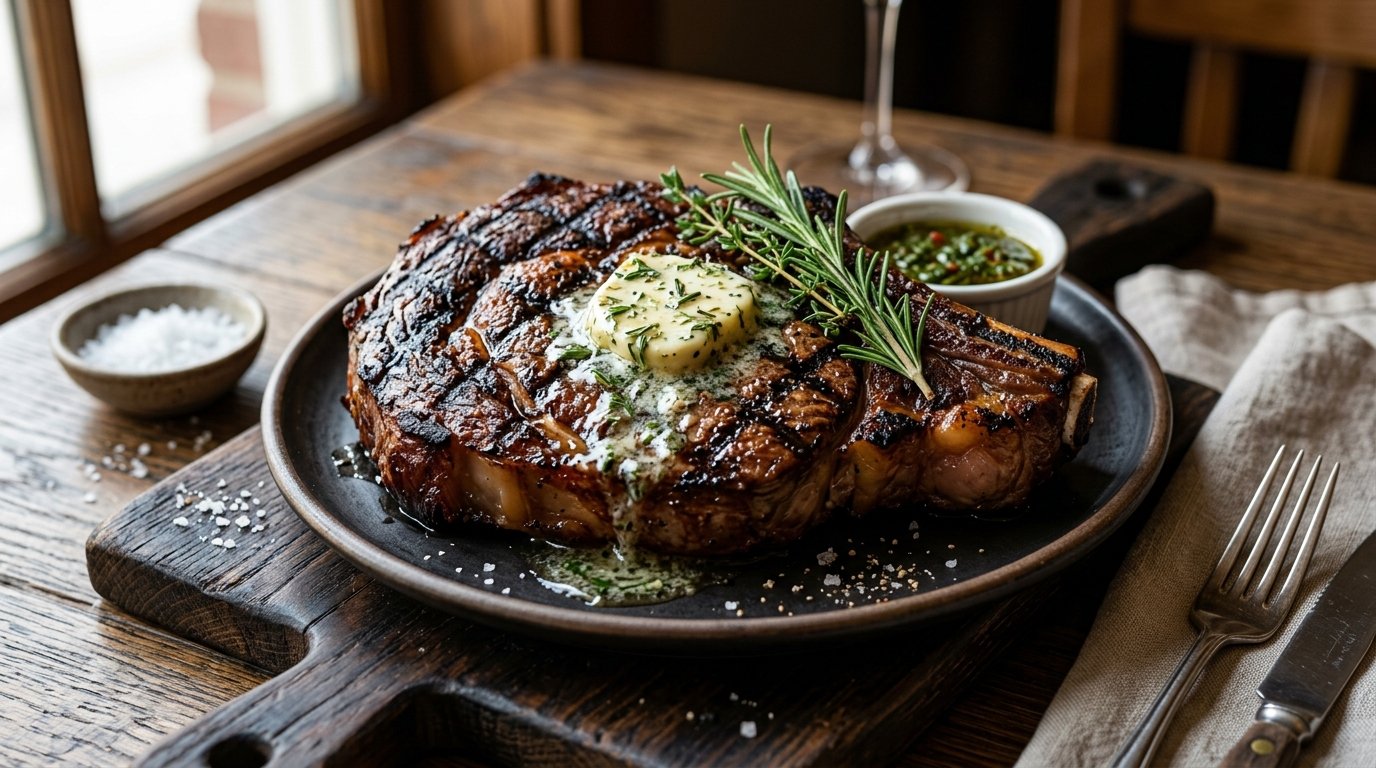
Beef Ribeye (Galbi/Steak Cut): The star of the show. Look for heavy marbling (intramuscular fat) which renders down to keep the meat juicy over high heat. Substitution: Short rib (LA Galbi style) if you prefer bone-in flavor, or Sirloin for a leaner option. Buying Tip: Ask your butcher for “BBQ cut” or slice against the grain into ¼ inch thick pieces for faster cooking.
Pork Belly (Samgyeopsal): Thick-cut, skinless pork belly is essential. The layers of fat and meat create a crispy-chewy texture when grilled. Buying Tip: Ensure the cut is uniform in thickness so it cooks evenly.
Large Shrimp: Head-on, shell-on shrimp are preferred for grilling as the shell protects the delicate meat from drying out and adds smoky flavor. Substitution: Scallops or squid rings work well too. Buying Tip: Buy “U-15” or “U-20” size for substantial bites.
Vegetables & Wraps
Red Leaf Lettuce & Perilla Leaves (Kkaennip): Red leaf lettuce is tender and cup-shaped, perfect for holding fillings. Perilla leaves have a unique minty-basil flavor that is quintessential to Korean BBQ. Storage: Wrap in damp paper towels and store in the crisper drawer; they wilt quickly if dry.
Raw Garlic & Green Chilies (Ssampaengi): Sliced raw garlic and spicy cheongyang peppers are traditionally eaten with the meat, not cooked separately. The heat mellows slightly against the hot meat. Tip: Slice garlic thinly; thick slices can be overpowering and hard to chew.
Onions & Mushrooms: Sliced white onions and king oyster mushrooms act as palate cleansers and absorb the meat drippings beautifully.
Sauces & Condiments
Ssamjang: The definitive dipping sauce. A mix of doenjang (soybean paste) and gochujang (chili paste) with sesame oil, garlic, and onion. Buying Tip: Pre-made jars are excellent, but adding a splash of plum extract or honey elevates it.
Kimchi: Aged, sour kimchi is actually better for grilling than fresh sweet kimchi. The acidity cuts the fat. Pro Tip: Grill leftover sour kimchi in the rendered pork fat for a caramelized, tangy side dish.
Sesame Oil & Salt Dip: Simple mixture of sesame oil, sea salt, and black pepper. This highlights the natural flavor of high-quality beef without masking it.
Side Dishes (Banchan)
Corn Cheese: Sweet corn kernels baked with mozzarella and mayo. The sweetness balances the salty meats. Key: Use canned sweet corn, not fresh, for the authentic sticky texture.
Soft Tofu Stew (Sundubu-jjigae): Silken tofu in spicy broth. Served bubbling hot to contrast the cold drinks and warm meat.
Kitchen Equipment
Tabletop Grill: Charcoal grills (like Hibachi or Korean-style dome grills) provide the best flavor due to smoke infusion. Electric smokeless grills are safer for apartments and still produce great results. Butane cassette stoves with grill plates are also popular.
Long Metal Tongs: Essential for flipping meat safely away from the heat. One pair for raw meat, one for cooked (or wash between uses).
Kitchen Shears: In Korea, scissors are used more than knives. They are used to cut large pieces of meat into bite-sized chunks directly on the grill.
Stone Bowls (Dolsot) or Cast Iron Pots: For keeping stews and corn cheese piping hot throughout the meal. Retain heat far better than ceramic.
Small Stainless Steel Bowls: Traditional vessels for banchan. They stack easily and are durable.
Ventilation Fan or Open Window: Crucial for managing smoke indoors. If using charcoal, ensure adequate airflow.
Preparation Information
Prep Time: 45 Minutes
Cook Time: 30 Minutes (Active tableside cooking)
Total Time: 1 Hour 15 Minutes
Servings: 4-6 People
Step-by-Step Instructions
Setting Up the Grill Station
Arrange the Table: Place the grill in the center of the table, ensuring it’s stable and away from flammable decor. Arrange raw meats on platters surrounding the grill for easy access. Place banchan bowls within reach of all diners.
Why this matters: Ergonomics dictate the flow of the meal. If people have to stretch dangerously over hot coals to get kimchi, the experience becomes stressful rather than enjoyable.
Safety Cue: Keep a fire extinguisher or baking soda nearby if using charcoal. Never leave active coals unattended.
Prepare the Heat Source: If using charcoal, light it 20 minutes before eating. You want white-hot embers, not open flames. If using electric/butane, preheat the plate to medium-high.
Visual Cue: Coals should be covered in grey ash and glowing orange beneath. Black coals = too cold; roaring flames = too hot (will burn meat outside, raw inside).
Aroma Cue: Clean burning charcoal has little smell. Acrid smoke means lighter fluid hasn’t burned off—wait longer.
Preparing the Banchan (Side Dishes)
Assemble the Cold Platter: Wash and dry lettuce thoroughly. Spin dry! Wet lettuce makes soggy wraps. Arrange lettuce, perilla leaves, sliced garlic, green chilies, and onions on a large platter.
Texture Cue: Lettuce should snap when bent, not flop. Crispness is non-negotiable for a good wrap.
Professional Tip: Chill the vegetable platter in the fridge until the last minute. Cold crunch contrasts beautifully with hot meat.
Heat the Hot Sides: Bring sundubu-jjigae and corn cheese to a simmer on the stove before transferring to stone bowls/cast iron at the table. They must arrive bubbling.
Visual Cue: Stew should be rolling boil when served. Corn cheese edges should be golden brown.
Why this matters: These dishes lose heat fast. Serving them lukewarm ruins the contrast with the icy drinks and hot grill.
Grilling the Meat and Seafood
Start with Fatty Meats: Place pork belly or fatty beef first to render fat onto the grill grate. This seasons the surface for leaner items later.
Sound Cue: A steady sizzle indicates correct temperature. Silence means too cool; violent spitting means too hot or wet meat.
Technique: Do not crowd the grill. Leave space between pieces. Crowding steams the meat instead of searing it, resulting in grey, tough protein.
Add Shrimp and Leaner Cuts: Once the grill is seasoned, add shrimp and leaner beef. Cook shrimp shell-side down first to protect the flesh. Flip only once the shells turn bright pink and opaque.
Color Cue: Beef should develop a deep brown crust (Maillard reaction). Shrimp turns from translucent grey to opaque pink/orange.
Doneness Cue: For medium-rare beef, press gently; it should yield like the fleshy part of your palm near the thumb. Overcooked beef becomes shoe-leather.
Cut and Serve Immediately: Use kitchen shears to cut cooked meat into bite-sized strips directly on the grill. Move to a resting plate or serve directly onto diners’ plates.
Why cut on grill? The residual heat finishes the interior gently, and the juices redistribute into the cut surfaces.
Aroma Cue: The smell should be nutty, savory, and smoky. Burnt acrid smells mean reduce heat or move food to cooler zone.
Assembling the Perfect Ssam (Wrap)
Build the Foundation: Take a piece of lettuce (and optionally a perilla leaf). Place a small dollop of ssamjang in the center.
Why ssamjang first? It acts as glue for other ingredients and seasons the lettuce directly.
Layer Proteins and Aromatics: Add a piece of grilled meat, a slice of raw garlic, a piece of chili (if desired), and a bit of kimchi or pickled radish.
Balance Tip: Don’t overstuff. A wrap that requires two hands and disintegrates is a failed wrap. Aim for one clean bite.
Fold and Eat: Fold the bottom up, then the sides in, creating a neat packet. Pop the entire thing in your mouth. Chew thoroughly to release the melded flavors.
Texture Goal: You should feel crisp lettuce, yielding meat, creamy sauce, and crunchy veg all at once.
Expert Tips for Authentic Flavor
The “Double Wrap” Technique: Many Koreans use two leaves—a sturdy red leaf lettuce on the outside and a fragrant perilla leaf on the inside touching the meat. This prevents tearing and maximizes aroma.
Render the Fat First: Always start with pork belly or fatty brisket. The rendered fat is liquid gold for grilling vegetables and shrimp afterward. Wipe excess grease only if it’s smoking excessively; otherwise, let it flavor the next batch.
Grill the Kimchi: Don’t just eat kimchi cold. Throw a few pieces on the grill after the meat. The caramelization transforms the sour funk into a sweet-savory umami bomb that pairs incredibly with rice.
Rice is Mandatory: Have a bowl of warm short-grain white rice for everyone. Eating meat and banchan without rice is considered incomplete in Korean culture. The starch balances the salt and spice.
Soju Pairing: If drinking alcohol, chilled soju is the traditional pairing. Its clean, neutral profile resets the palate between rich bites better than beer or wine. Mix with yogurt drink (Yakult) for a sweeter option.
Common Mistakes to Avoid
Overcrowding the Grill: This is the #1 error. When meat touches, moisture gets trapped, temperature drops, and you end up boiling your expensive beef. Fix: Cook in batches. Patience yields better crust.
Using Wet Lettuce: Water dilutes the ssamjang and makes the wrap slide apart. Fix: Use a salad spinner. Dry leaves are structural necessities.
Cooking Everything to Well-Done: Thinly sliced BBQ beef cooks in seconds. Leaving it on too long makes it tough. Fix: Watch closely. Remove when color changes and juices just begin to run clear/pink. Residual heat will finish it.
Skipping the Rest Period for Thick Cuts: If grilling thick steak cuts rather than thin slices, remove from heat and let rest 2-3 minutes before cutting. Fix: Cutting immediately releases all the juice onto the board instead of keeping it in the meat.
Ignoring Ventilation: Indoor grilling generates significant smoke. Fix: Turn on range hood to max, open windows, use fans. Don’t set off smoke detectors mid-meal.
Recipe Variations
Spicy Marinated Beef (Jeyuk Bokkeum): Substitute plain beef with pork or chicken marinated in gochujang, pear puree, and ginger. The sugar caramelizes quickly, so watch heat carefully.
Vegetarian/Vegan BBQ: Replace meat with thick-cut king oyster mushrooms (scored to mimic scallops), eggplant steaks, zucchini rounds, and firm tofu. Marinate veggies in soy-ginger glaze. Use vegan ssamjang (check label for fish/shrimp paste).
Seafood Focus: Swap beef entirely for a seafood platter: scallops, squid, mussels in shells, and prawns. Grill with butter and garlic. Lighter and faster cooking.
Low-Carb/Keto: Skip the rice and sugary marinades. Focus on unmarinated meats, extra lettuce wraps, cucumber sticks, and seaweed sheets (gim) as wrap alternatives. Avoid corn cheese and sweet sauces.
Extra Cheesy: Double the mozzarella in the corn cheese. Add a layer of ramen noodles under the cheese for “Cheese Ramen” style side dish. Indulgent comfort food.
Chicken Thighs: Boneless, skin-on chicken thighs are fantastic for BBQ. Render the skin side down first until crispy. Less expensive than beef but equally satisfying.
Spicy Seafood Stew Side: Add a pot of Haemul Jjigae (spicy seafood stew) alongside the tofu stew for double the soup action. Great for soaking up soju.
What to Serve With This Recipe
Staple Sides: Steamed white rice, steamed egg custard (Gyeran-jjim), and seasoned bean sprouts (Kongnamul muchim) are non-negotiable basics.
Pickles: Pickled radish (danmuji) and pickled perilla seeds provide necessary acid to cut fat.
Drinks: Ice-cold barley tea (boricha) is the classic non-alcoholic pairing. Soju, makgeolli (rice wine), or light lagers complement the meal. Lemonade or lime soda refreshes the palate.
Dessert: Keep it light. Fresh fruit platter (melon, strawberries) or bingsu (shaved ice) helps digest the heavy meal. Avoid heavy cakes.
Finishing Dish: Fried rice made with leftover rice, kimchi, sesame oil, and bits of grilled meat cooked on the grill at the end of the meal. The ultimate closure.
Make Ahead and Meal Prep Tips
Meat Prep: Slice and arrange meats on platters up to 4 hours ahead. Cover tightly and refrigerate. Bring to room temp 15 mins before grilling for even cooking.
Banchan Batch Prep: Most banchan (kimchi, radish, bean sprouts, spinach) taste better made 1-2 days ahead as flavors meld. Store in separate airtight containers.
Sauce Station: Pre-mix ssamjang and sesame oil dips in small bowls. Cover and refrigerate. Stir before serving as oils separate.
Vegetable Wash: Wash and spin-dry all greens the morning of. Store in containers lined with paper towels to maintain crispness for 24 hours.
Charcoal Prep: If using charcoal, pre-light and bag hot coals in a metal container to transport to table safely. Saves waiting time during hunger peaks.
Storage Instructions
Leftover Raw Meat: Refrigerate in airtight container for 1-2 days max. Freeze for up to 3 months if vacuum sealed. Thaw in fridge overnight.
Cooked Meat: Store in fridge for 3 days. Note: Reheated BBQ beef loses texture significantly. Best repurposed (see below).
Banchan: Kimchi lasts months. Vegetable sides last 3-5 days. Discard if slimy or sour-smelling (beyond normal fermentation).
Sauces: Ssamjang keeps for weeks in fridge. Sesame oil dip lasts 1 week (oil may solidify; warm slightly to restore).
Lettuce: Unused leaves can be stored damp in fridge for 2-3 more days. Discard if wilted/slimy.
Reheating Instructions
Stovetop (Best for Meat): Reheat leftover beef/pork in a skillet over medium heat with a splash of water or broth to steam-rehydrate. Avoid high heat which toughens protein further.
Microwave (Quick Fix): Cover meat with damp paper towel. Heat in 30-second bursts. Prevents rubbery texture but won’t restore crispness.
Air Fryer (For Crispy Pork): Reheat pork belly at 350°F for 3-4 minutes to re-crisp the fat. Not suitable for lean beef.
Repurpose Leftovers: Transform cold BBQ meat into bibimbap, fried rice, or noodle stir-fry. The smoky flavor enhances these dishes beautifully.
Reheating Banchan: Most vegetable sides are served cold/room temp. Only reheat stews and corn cheese. Simmer stews gently; microwave corn cheese in short bursts stirring halfway.
Nutritional Information
Estimates per serving (approx. 150g meat + sides + rice):
Calories: 850
Protein: 45g
Carbohydrates: 65g
Fat: 48g
Fiber: 4g
Sugar: 12g
Sodium: 1,200mg
Note: Values vary widely based on meat cut, sauce usage, and rice portion. High sodium comes from fermented pastes and soy sauce. Enjoy as an occasional indulgence.
Troubleshooting Guide
Problem
Cause
Solution
Meat is tough/chewy
Overcooked or wrong cut
Slice thinner next time; cook less time; choose fattier cuts; slice against grain.
Smoke alarm triggering
Excessive fat flare-up or poor ventilation
Trim excess fat; move meat to cooler zone; open windows; use fan; switch to electric grill.
Wraps falling apart
Wet lettuce or overstuffing
Spin-dry lettuce thoroughly; use double-wrap technique; reduce filling quantity.
Food tastes bland
Insufficient seasoning or low-quality meat
Use salt/sesame oil dip; ensure ssamjang is fresh; upgrade to higher marbling meat.
Shrimp rubbery
Overcooked
Cook shell-side down first; remove when just opaque; residual heat finishes cooking.
Corn cheese burnt bottom
Heat too high
Lower stove flame; use diffuser; stir occasionally; remove from heat when bubbly.
1. Can I do Korean BBQ without a special grill? Yes! A cast iron skillet or griddle on the stove works well for indoor cooking. While you miss the charcoal smoke flavor, the technique and assembly remain identical. Portable butane stoves with flat grill plates are also excellent affordable alternatives.
2. What is the difference between ssamjang and gochujang? Gochujang is purely fermented chili paste—spicy, sweet, and salty. Ssamjang is a compound sauce mixing gochujang with doenjang (soybean paste), sesame oil, garlic, and onion. Ssamjang is milder, earthier, and specifically designed for wrapping meat. Never substitute one for the other directly.
3. Is it safe to eat raw garlic with meat? Yes, in moderation. Raw garlic contains allicin which has antimicrobial properties. The small amount used in a wrap (1-2 thin slices) is generally well-tolerated and aids digestion. If sensitive, lightly grill the garlic slice on the meat for 5 seconds to mellow the bite.
4. Why is my lettuce bitter? Old or improperly stored lettuce develops bitterness. Always buy fresh, crisp heads. Store wrapped in damp paper towels in the crisper. Rinse right before serving. Inner leaves are typically sweeter and less bitter than outer ones.
5. Can I marinate the beef overnight? For thin BBQ cuts, 30 minutes to 2 hours is sufficient. Overnight marinating can make thin slices mushy due to enzymatic breakdown (especially if fruit-based marinades are used). Thick cuts like galbi benefit from overnight marination. Always marinate in fridge, never room temp.
6. What drinks pair best with Korean BBQ? Soju is traditional. Beer (especially light Korean lagers like Cass or Hite) is popular. Barley tea (boricha) is the standard non-alcoholic choice. Avoid heavy red wines or dark sodas which clash with the delicate balance of flavors. Citrus sodas or yakult-soju mixes are fun modern options.
7. How do I prevent cross-contamination at the table? Use separate tongs for raw and cooked meat. Designate one pair for placing raw meat on grill, another for handling cooked food. Alternatively, use chopsticks for eating and tongs only for grilling. Educate guests on this safety protocol before starting.
8. Can I make this gluten-free? Traditional ssamjang often contains wheat. Use certified GF gochujang and doenjang, or make your own with miso (check labels) and GF chili paste. Tamari replaces soy sauce in marinades. Verify all banchan ingredients as some use wheat-based thickeners. Rice and most meats are naturally GF.
Final Thoughts
Hosting a Korean BBQ feast at home is about more than just cooking meat—it’s about cultivating connection, celebrating flavor, and embracing the joyful chaos of communal dining. The sizzle of the grill, the laughter over perfectly assembled wraps, and the shared satisfaction of a meal built together create memories that linger long after the last bite. Don’t worry about perfection; the beauty of K-BBQ lies in its adaptability and the personal touch each guest brings to their plate.