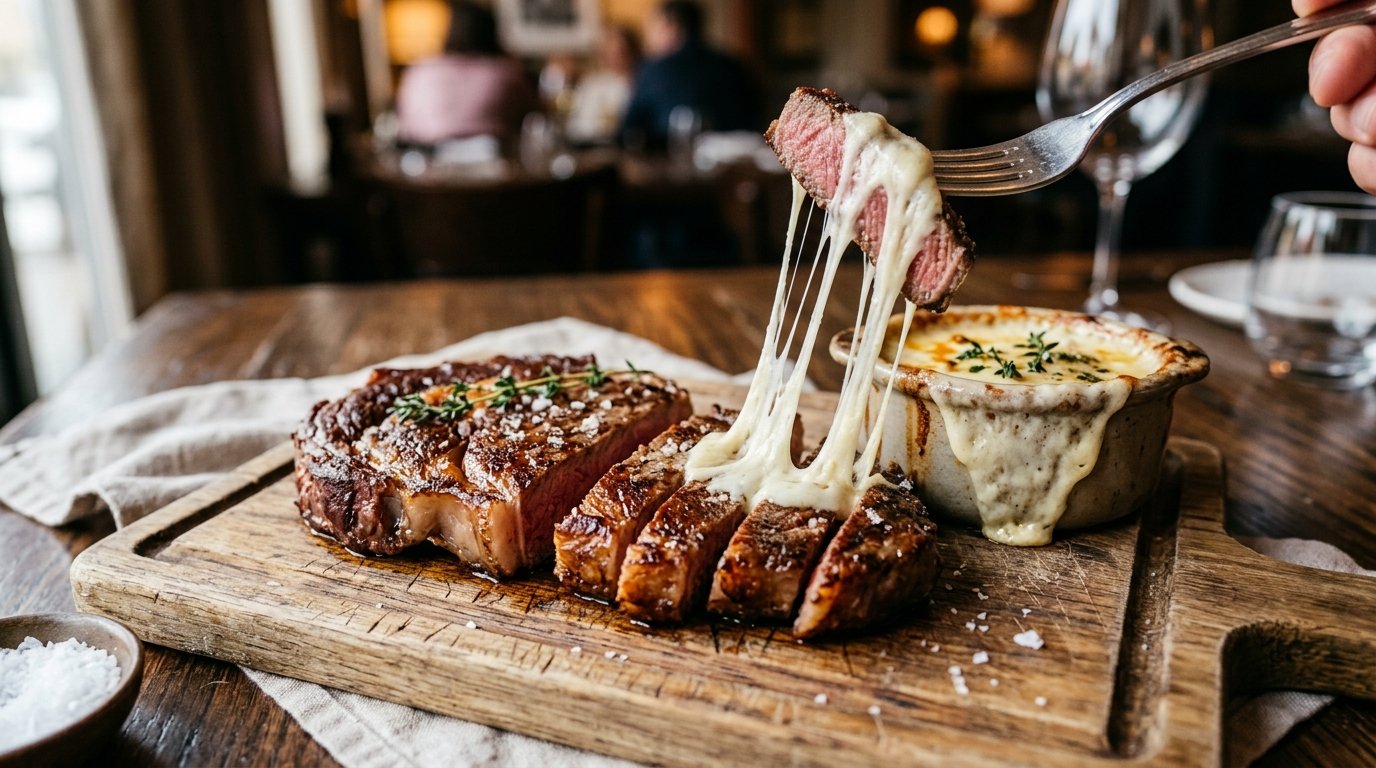
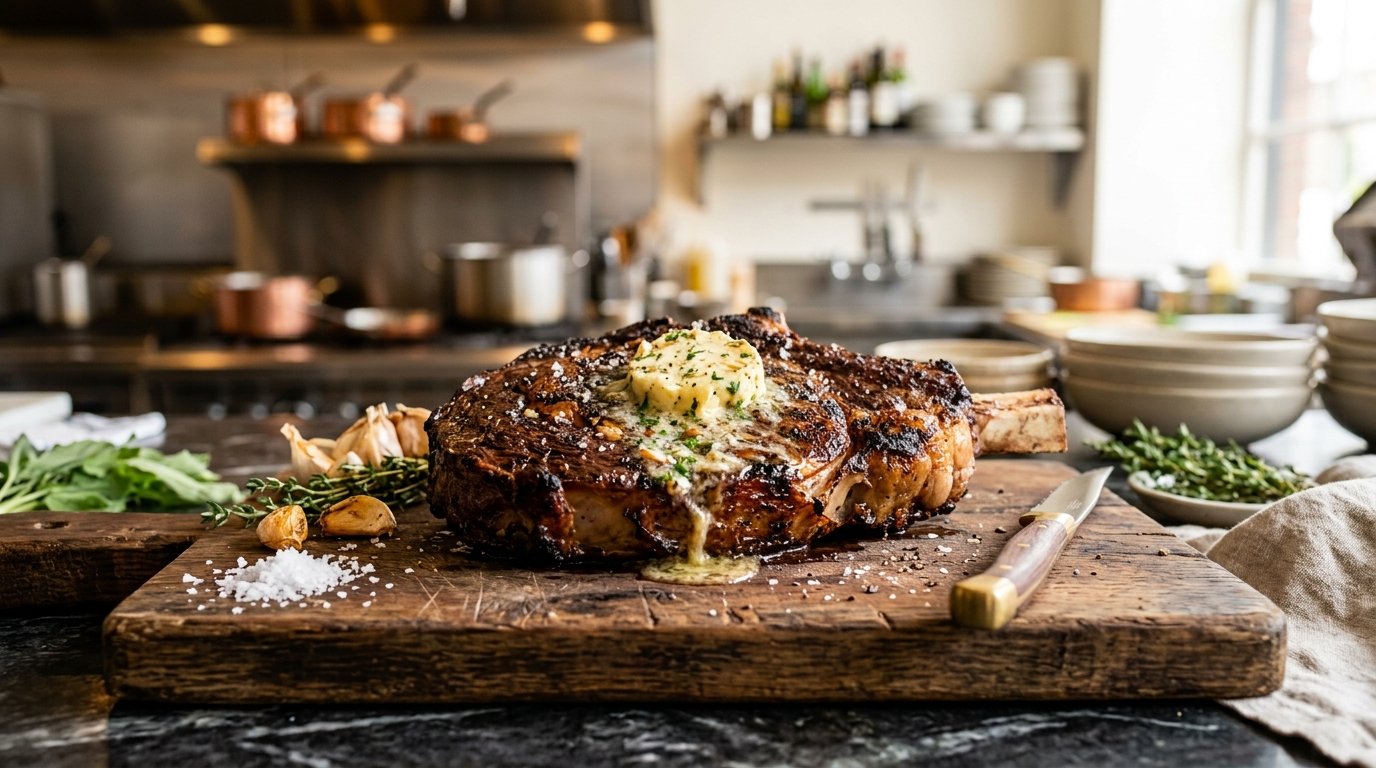
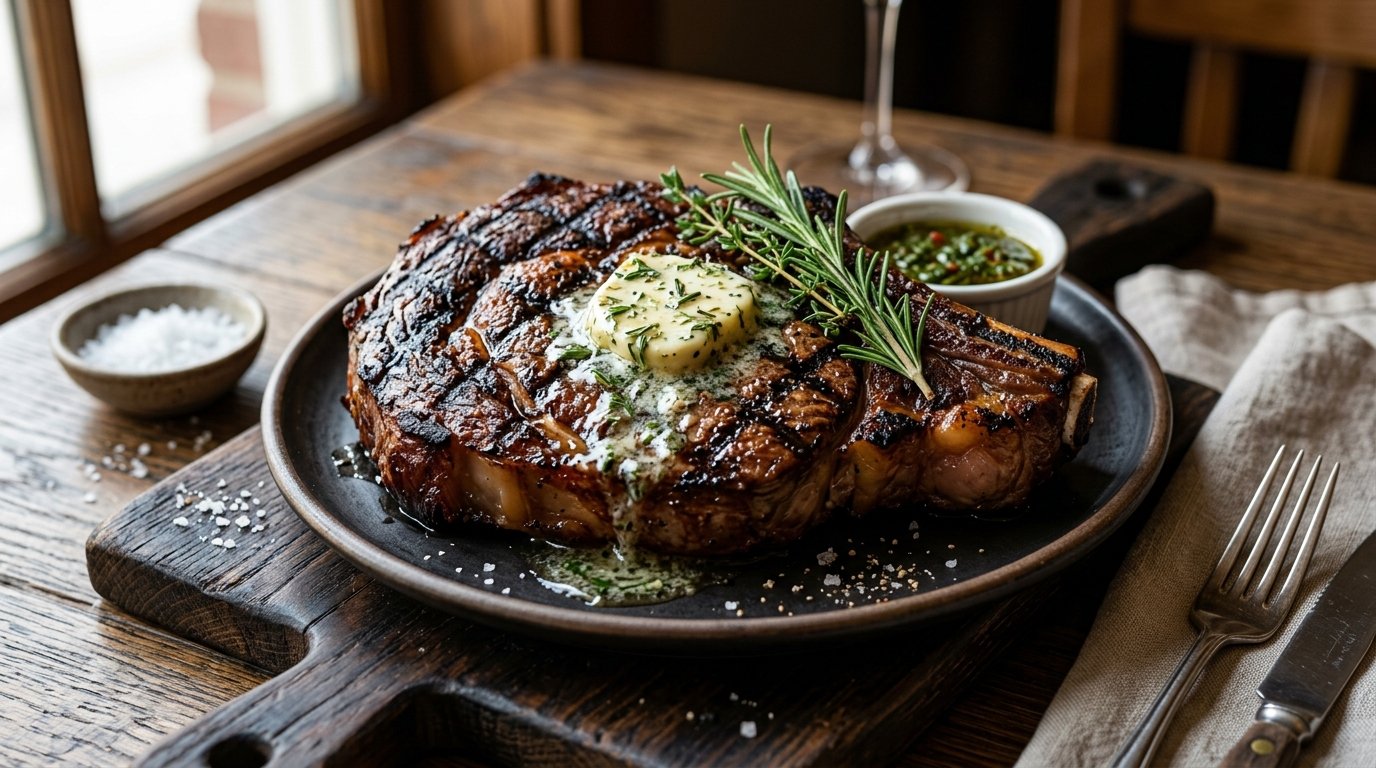
There is a moment in dining that transcends taste and becomes pure visual satisfaction: the cheese pull. If you have ever scrolled through food social media, you know exactly what I mean. This steak with melted cheese dip recipe is designed specifically to deliver that viral-worthy stretch while providing a savory, juicy foundation that actually tastes as good as it looks. Unlike traditional steak preparations where cheese is merely a topping, this method creates a dedicated dipping vessel using a cast iron skillet, transforming your dinner into an interactive, indulgent experience. Whether you are hosting a date night, treating yourself to a weekend luxury, or simply craving comfort food that feels special, this dish hits every note. It takes less than 30 minutes from fridge to table, making it a practical solution for busy days without sacrificing that homemade quality we all crave. Let’s get cooking and achieve that perfect cheesy pull together.
Why This Recipe Works
The magic of this steak with melted cheese dip lies in thermal mass management and emulsion science. Cast iron skillets retain heat significantly better than stainless steel or non-stick pans. When you sear the steak and then immediately transition to melting cheese in the same vessel (or a pre-heated duplicate), the residual heat keeps the cheese at the optimal viscosity for stretching without burning. The key to the “pull” isn’t just the type of cheese; it’s the temperature. Cheese proteins tighten and squeeze out fat when overheated, becoming greasy and brittle. By using the gentle, retained heat of the cast iron rather than direct flame during the dipping phase, we maintain a creamy, elastic state. Furthermore, searing the steak first creates fond (browned bits) on the pan surface. When the cheese melts over these remnants, it incorporates those savory, meaty flavors directly into the dip, creating a unified flavor profile rather than two separate components on a plate. This isn’t just melting cheese; it’s engineering a thermally stable, flavor-integrated dipping experience.
Why You’ll Love This Recipe
Viral-Worthy Cheese Pull: The cast iron heat retention guarantees that satisfying, Instagram-ready stretch every time.
Interactive Dining: Turns a standard steak dinner into a fun, communal dipping experience.
Flavor Integration: Seared steak fond infuses the cheese dip with deep, savory umami notes.
Quick & Elegant: Restaurant-quality presentation achieved in under 30 minutes with minimal cleanup.
Customizable Doneness: Cook the steak to your exact preference while keeping the dip consistently warm.
Pantry-Friendly Luxury: Uses basic staples (steak, cheese, butter) to create a high-end feel.
Perfect Portion Control: Individual skillet servings prevent the “cold cheese” problem of large shared platters.
Ingredient Notes
Ribeye or New York Strip Steak (1-inch thick)
Purpose: The protein centerpiece. Fat marbling renders during searing, basting the meat internally and contributing flavor to the pan fond.
Substitutions: Filet Mignon (leaner/tenderer), Sirloin (budget-friendly), or Flat Iron (great marbling/value). Avoid very lean cuts like Top Round; they lack the fat needed to complement rich cheese.
Buying Tips: Look for bright red color with creamy white fat marbling. Ask for “center-cut” for uniform thickness. Bring to room temp 30 mins before cooking for even searing.
Storage Tips: Refrigerate up to 3-5 days raw. Freeze up to 6 months wrapped tightly. Thaw overnight in fridge. Never refreeze thawed raw steak.
Low-Moisture Mozzarella Cheese (Shredded)
Purpose: Provides the signature stretch and mild milky flavor. Low-moisture variety melts smoothly without releasing excess water that makes dips soupy.
Substitutions: Provolone (sharper/nuttier), Fontina (creamier/richer), or Monterey Jack (excellent melt). Avoid fresh mozzarella balls (too wet) or pre-shredded bagged cheese (anti-caking agents inhibit smooth melting).
Buying Tips: Buy a block and shred it yourself. Pre-shredded cheese contains cellulose powder which prevents clumping in the bag but also prevents smooth melting in the pan. Freshly shredded = superior pull.
Storage Tips: Wrap block tightly in wax paper then plastic wrap. Refrigerate up to 3 weeks. Freeze blocks up to 6 months; thaw in fridge before shredding.
Unsalted Butter
Purpose: Adds richness, aids in browning steak, and helps emulsify the cheese dip preventing separation. Unsalted allows control over sodium levels.
Substitutions: Ghee (higher smoke point/nutty flavor), olive oil (fruitier/lighter), or vegan butter (plant-based). Avoid margarine; high water content causes splattering and poor browning.
Buying Tips: European-style butter (82%+ fat) yields richer flavor and better browning than standard American butter. Check expiration; rancid butter ruins delicate cheese flavor.
Storage Tips: Refrigerate up to 1 month; freeze up to 6 months. Keep wrapped tightly to prevent absorbing fridge odors.
Garlic Powder & Black Pepper
Purpose: Seasoning base that complements beef and cheese without burning. Garlic powder distributes evenly; fresh garlic burns bitter in high-heat searing.
Substitutions: Onion powder, smoked paprika, or dried herbs (thyme/rosemary). Fresh cracked pepper preferred over pre-ground for aromatic potency.
Buying Tips: Check expiration dates on spices; old garlic powder loses potency and can taste musty. Whole peppercorns ground fresh provide superior aroma.
Storage Tips: Store spices in airtight containers away from light/heat. Grind pepper just before use for maximum volatile oil release.
Kitchen Equipment
10-Inch Cast Iron Skillet: Essential for heat retention and creating the dipping vessel. Enameled cast iron works but bare cast iron develops better seasoning/fond.
Instant-Read Thermometer: Crucial for verifying steak doneness without guessing. Visual cues are unreliable due to varying thickness/grill marks.
Tongs: For safely flipping steak and handling hot skillet. Metal tongs withstand high heat; silicone tips protect enamel if using enameled cast iron.
Sharp Chef’s Knife: For slicing steak against grain after resting. Dull knives crush fibers releasing juices onto cutting board instead of staying in meat.
Cutting Board: Wood or composite board protects knife edge. Plastic boards can harbor bacteria if deeply scored; sanitize thoroughly.
Cheese Grater (Box or Microplane): For shredding block cheese uniformly. Uniform shreds melt evenly; large chunks create hot/cold spots in dip.
Oven Mitts/Pot Holders: Cast iron handles get extremely hot. Silicone mitts offer better grip/dexterity than fabric oven mitts for precise handling.
Preparation Information
Prep Time: 10 minutes
Cook Time: 15 minutes
Total Time: 25 minutes
Servings: 2 people
Step-by-Step Instructions
H3: Temper and Season the Steak
Remove steak from refrigerator 30 minutes before cooking. Pat completely dry with paper towels. Generously season all sides with salt, pepper, and garlic powder. Why it matters: Cold steak hits hot pan = uneven cook (gray band exterior, raw center). Moisture on surface creates steam barrier preventing proper sear/crust formation. Salt draws out moisture initially but reabsorbs during rest, seasoning interior. Visual cue: Surface matte/dry, no glistening moisture. Seasoning adheres uniformly, not clumping. Texture cue: Room temp feel, not chilled. Common mistake: Salting immediately before grilling; gives salt no time to penetrate. Pro tip: If short on time, salt right before cook but ensure surface is bone-dry.
H3: Sear Steak to Perfection
Heat cast iron skillet over medium-high heat until smoking slightly. Add 1 tbsp butter/oil. Place steak in center; do NOT move for 3-4 minutes. Flip; cook another 3-4 minutes for medium-rare (internal temp 130°F/54°C). Why it matters: High heat triggers Maillard reaction creating flavorful crust. Moving too early tears developing crust. Butter adds nutty flavor but burns easily; monitor closely. Color cue: Deep mahogany brown crust forms. Edges render fat visibly. Aroma cue: Nutty, toasted protein scent indicates proper browning. Acrid smoke = butter burning; reduce heat slightly. Doneness test: Instant-read thermometer inserted horizontally into thickest part. Pull at 125°F for rare, 130°F for med-rare. Carryover cooking raises temp 5-10°F during rest.
H3: Rest Steak and Prepare Cheese
Transfer steak to cutting board; tent loosely with foil. Rest 5-10 minutes. Meanwhile, reduce skillet heat to LOW. Add remaining butter if needed. Sprinkle shredded cheese evenly over pan surface. Why it matters: Resting allows muscle fibers relax/juices redistribute. Cutting immediately = juice loss on board. Low heat prevents cheese scorching/separation. Residual pan heat gently melts cheese while incorporating steak fond. Visual cue: Cheese begins softening/glistening within 30 seconds. Bubbles form slowly, not vigorously. Texture cue: Cheese transitions from shreds to cohesive molten mass. Critical tip: NEVER high heat for cheese. Proteins seize above 160°F becoming grainy/oily. Patience yields silkiness.
H4: Create the Dip and Serve
Stir cheese gently with spatula until fully melted and smooth. Slice rested steak against grain into strips. Serve immediately by dipping steak slices directly into skillet cheese. Why it matters: Gentle stirring maintains emulsion; vigorous whisking incorporates air causing foaminess. Slicing against grain shortens muscle fibers = tender bite. Immediate service ensures cheese stays at optimal pulling temperature. Visual cue: Cheese glossy/smooth, not separated/oily. Steak pink/red center with browned edges. Aroma cue: Rich buttery/cheesy fragrance mingles with savory beef. Serving tip: Provide forks for dipping. Warn guests skillet handle is HOT. Use trivet under skillet on table.
Expert Tips for the Perfect Pull
Cheese Temperature Is Everything: Ideal melting range is 130-160°F (54-71°C). Below 130°F = unmelted/shiny. Above 160°F = proteins tighten/squeeze out fat = greasy/grainy. Use low heat + residual pan warmth. Remove from burner entirely if cheese melts too fast.
Shred Your Own Cheese: This cannot be overstated. Pre-shredded cellulose coating creates barrier between cheese strands, preventing fusion. Block cheese grated moments before use melts into cohesive elastic mass essential for pull.
Cast Iron Heat Management: Bare cast iron retains heat longer than enameled. If using bare iron, remove from heat source ENTIRELY before adding cheese. Enameled cools faster; may need lowest setting. Test with small cheese portion first.
Fond = Flavor Gold: Don’t wipe pan after searing steak! Those browned bits dissolve into melting cheese creating complex savory depth. If fond burnt/blackened, deglaze with splash water/wine, scrape clean, then add cheese to fresh pan.
Butter Emulsification Aid: Adding cold butter cubes to melting cheese helps stabilize emulsion. Fat coats protein particles preventing aggregation. Stir constantly during incorporation.
Serve Immediately: Cheese pull window is narrow. As cheese cools below 120°F, elasticity decreases rapidly. Have steak sliced/rested BEFORE melting cheese. Sequence timing critical for viral moment.
Common Mistakes to Avoid
Mistake: Greasy, Separated Cheese Dip
Why: Heat too high, overheating cheese, or using wrong cheese type.
Prevention: Low heat only. Remove from burner when cheese mostly melted; residual heat finishes job. Use low-moisture mozzarella/provolone. Add cold butter to stabilize.
Fix: Whisk vigorously off-heat adding splash warm milk/cream to re-emulsify. If severely broken, strain through fine mesh sieve. Next time, prioritize temperature control.
Mistake: Tough, Chewy Steak
Why: Overcooking, slicing with grain, or skipping rest period.
Prevention: Use thermometer. Pull 5-10°F below target temp. Always slice perpendicular to muscle fibers. Rest minimum 5 minutes.
Fix: Cannot reverse toughness. Slice thinly against grain; serve with extra cheese dip to mask texture. Next time, monitor temp closely/rest properly.
Mistake: Cheese Burns/Sticks to Pan
Why: Pan too hot, insufficient fat, or leaving unattended.
Prevention: Reduce heat to LOW before adding cheese. Ensure adequate butter/oil in pan. Stir constantly during initial melt. Remove from heat immediately when smooth.
Fix: Scrape burnt bits carefully; discard if acrid. Transfer good cheese to clean warm bowl. Next time, manage heat proactively.
Mistake: Weak, No Stretch Pull
Why: Wrong cheese variety, overworking cheese, or serving too cool.
Prevention: Use low-moisture mozzarella/provolone/fontina. Avoid cheddar/parmesan alone (poor stretch). Serve immediately at 130-150°F. Don’t over-stir once melted.
Fix: Reheat gently to optimal temp. Mix in small amount fresh shredded cheese to boost elasticity. Prevention via cheese selection key.
Delicious Recipe Variations
Spicy Jalapeño Popper Dip
Add diced pickled jalapeños + cream cheese to melting cheese. Top with crispy bacon bits. Heat builds gradually; creamy cheese balances fire beautifully. Garnish fresh cilantro.
Truffle Oil Luxury Finish
Drizzle ½ tsp white/black truffle oil over melted cheese just before serving. Intense earthy aroma transforms dip into indulgent treat. Use sparingly; potency overwhelms quickly. Pair with filet mignon.
Blue Cheese Crumble Boldness
Fold in ¼ cup crumbled blue cheese/Gorgonzola with mozzarella. Pungent/salty contrast cuts richness dramatically. Creamy pockets of funk elevate simple dip. Bold choice for adventurous palates.
Caramelized Onion Sweetness
Sauté ½ cup thinly sliced onions in butter until golden/brown BEFORE searing steak. Leave onions in pan; melt cheese over them. Sweet/savory complexity bridges steak/cheese flavors seamlessly.
Herb-Infused Garlic Butter Base
Melt butter with minced garlic + rosemary/thyme BEFORE adding cheese. Strain solids if desired; infused butter carries herbal notes throughout dip. Fragrant elevation requiring minimal effort.
Extra Cheesy Four-Cheese Blend
Combine mozzarella + provolone + fontina + parmesan. Each cheese contributes unique melt/stretch/flavor properties. Ultimate indulgence for cheese lovers. Reduce salt elsewhere; cheeses contribute sodium.
Healthy Greek Yogurt Lighter Version
Replace half cheese with strained Greek yogurt. Increases protein/tanginess. Still creamy when tempered properly. Cool slightly before adding to prevent curdling. Macro-friendly without sacrificing satisfaction.
Low-Carb Cauliflower Cheese Dip
Steam 1 cup riced cauliflower; blend with melted cheese + cream. Adds volume/fiber reducing calorie density. Texture differs but satisfies craving. Excellent keto adaptation maintaining richness.
High-Protein Chicken Breast Swap
Use grilled chicken breast strips instead of steak. Leaner protein source. Same cheese dip technique applies. Great post-workout meal combining protein/indulgence. Adjust cook time accordingly.
Smoked Paprika & Cumin Depth
Add ½ tsp smoked paprika + ¼ tsp cumin to melting cheese. Earthy/smoky warmth mimics charcoal grill flavor even on stovetop. Vibrant orange-red color visually striking. Complements beef perfectly.
What to Serve With This Recipe
Side Dishes
Garlic Breadsticks: Essential vehicle for soaking up leftover cheese dip. Crispy exterior + soft interior perfect textural match. Brush with garlic butter while warm.
Roasted Asparagus: Charred veggie echoes steak preparation. Lemon zest brightens heavy plate. Quick cook time matches steak pace.
Season steak up to 24 hours ahead; refrigerate uncovered to dry surface further. Shred cheese day-of for optimal melt. Measure butter/spices in advance. Assembly requires fresh execution for best results.
Freezer Storage (Steak Only)
Freeze seasoned raw steak individually wrapped up to 3 months. Thaw overnight in fridge before cooking. Cheese dip MUST be made fresh; freezing destroys texture/emulsion irreversibly.
Party Service Planning
Pre-sear steaks to 110°F internal; finish in oven/skillet just before serving. Prepare cheese dip base (butter/spices) ahead; add cheese/shred last minute. Timing coordination essential for hot dip/hot steak synchronization.
Storage Instructions
Refrigerator
Store leftover cooked steak in airtight container up to 3-4 days. Store leftover cheese dip separately; it will solidify when cold. Quality declines daily; consume promptly. Do not store combined; moisture transfer affects textures.
Freezer
Freeze cooked steak slices in single layer then bag. Up to 3 months best quality. Label with date/content. Thaw overnight in fridge before reheating. DO NOT freeze cheese dip; separation/graininess inevitable upon thawing.
Raw Steak Storage
Refrigerate raw steak up to 3-5 days. Freeze up to 6-12 months vacuum-sealed. Thaw slowly in fridge 24-48 hrs. Never refreeze thawed raw meat. Safety/quality compromised.
Reheating Instructions
Oven (Best Method for Steak)
Preheat 250°F (120°C). Place steak on rack over sheet pan. Heat 10-15 mins until 110°F internal. Sear briefly in hot skillet 30 sec/side to restore crust. Gentle warming preserves doneness/juiciness.
Stovetop (Best Method for Cheese Dip)
Warm cheese dip gently over LOW heat stirring constantly. Add splash milk/cream if separated/thick. Heat until just melted/smooth (130-150°F). NEVER boil or high heat; destroys emulsion permanently.
Microwave (Last Resort)
Low power 30 sec intervals for steak. Steak will gray/lose crust. Cheese dip microwaves poorly; separates/grains. Use only if desperate. Add sauce/butter to mask texture loss. Accept diminished quality for convenience.
Air Fryer (Steak Crisp Restoration)
Preheat 350°F (175°C). Heat steak 3-4 mins checking frequently. Restores some crispness faster than oven. Monitor closely to avoid overcooking. Good compromise for speed/texture. Not suitable for cheese dip.
Nutritional Information
Approximate values per serving (based on 8oz steak + ½ cup cheese):
Calories: 680 kcal
Protein: 58g
Carbohydrates: 2g
Fat: 48g
Fiber: 0g
Sugar: 1g
Sodium: 890mg
Note: Values vary significantly based on steak cut/fat trim, cheese quantity/type, and added fats. Consult nutrition labels for precise calculations. These are estimates for general guidance.
Troubleshooting Guide
Problem: Cheese Dip Too Thick/Gummy
Cause: Overheated cheese, wrong cheese type, or insufficient fat.
Solution: Whisk in warm milk/cream 1 tbsp at a time off-heat. Return to LOW heat briefly if needed. Next time, use lower-moisture cheese + adequate butter.
Problem: Steak Overcooked Despite Thermometer
Cause: Carryover cooking underestimated, probe placement error, or thin cut.
Solution: Pull 10°F below target for thin cuts. Insert probe horizontally into geometric center avoiding fat/bone. Account for 5-10°F rise during rest. Practice builds intuition.
Problem: Cheese Won’t Melt Smoothly
Cause: Pre-shredded cheese, pan too cool, or acidic interference.
Solution: Switch to freshly shredded block cheese. Increase heat VERY slightly (LOW only). Add pinch baking soda (⅛ tsp) to neutralize acidity aiding melt. Stir constantly.
Problem: Steak Tough/Chewy
Cause: Overcooked, sliced with grain, or poor quality cut.
Solution: Slice thinly against grain. Serve with extra cheese dip to mask. Next time, use thermometer religiously. Invest in better grade meat. Marinate tougher cuts (not ideal for ribeye though).
Problem: Dip Separates/Oily Pool
Cause: Heat too high, overheating, or lack of emulsifier.
Solution: Remove from heat immediately. Whisk vigorously adding cold butter cube. If unrecoverable, strain through sieve. Prevention via temperature control essential.
Frequently Asked Questions
Can I use pre-shredded cheese?
Strongly discouraged. Pre-shredded contains anti-caking agents (cellulose) creating barrier between strands preventing smooth fusion. Block cheese grated fresh melts into cohesive elastic mass essential for pull. Worth extra 2 minutes effort.
What cheese stretches best?
Low-moisture mozzarella is king for stretch. Provolone/fontina/Monterey Jack excellent alternatives. Cheddar/parmesan melt well but lack elasticity. Avoid fresh mozzarella (too wet) or hard aged cheeses (don’t melt smoothly).
Can I make this dairy-free?
Yes! Use vegan butter + vegan mozzarella shreds (Miyoko’s/Violife brands melt best). Coconut oil can replace butter but alters flavor. Texture differs slightly but still enjoyable. Check cheese meltability reviews before purchasing.
How do I know when steak is done without thermometer?
Touch test: Rare = soft/squishy like cheek. Med-rare = springy like chin. Medium = firm like nose. Well-done = hard like forehead. However, thermometer ALWAYS recommended for accuracy. Visual cues deceive with varying thickness/fat content.
Can I use a different pan?
Cast iron ideal for heat retention. Stainless steel works but cools faster; may need lowest setting. Non-stick acceptable but doesn’t develop fond as well. Avoid thin aluminum; uneven heat causes hot spots burning cheese.
Why did my cheese turn grainy?
Overheating causes protein denaturation/aggregation. Once grainy, difficult to reverse. Prevention: LOW heat only. Remove from burner when 80% melted; residual heat finishes. Add cold butter to stabilize emulsion.
Can I prepare cheese dip ahead?
No. Cheese dip quality degrades rapidly upon cooling/reheating. Emulsion breaks; texture becomes grainy/oily. Always make fresh just before serving. Steak can be prepped/rested ahead; cheese must be last-minute.
Is this recipe gluten-free?
Naturally gluten-free! Verify seasoning blends/spices are GF-certified if sensitive. Cross-contamination risk minimal with dedicated utensils. Perfect for celiac diets without modification.
Final Thoughts
This steak with melted cheese dip proves that extraordinary meals emerge from respecting fundamental techniques rather than seeking shortcuts. Sometimes the most satisfying dishes require patience and precision over speed and convenience. That moment when you lift a forkful and watch the cheese stretch endlessly—it’s worth every minute of careful heat management. Whether you’re feeding family on a busy Tuesday or impressing guests on Saturday night, this recipe delivers joy in edible form. Don’t hesitate to experiment with different cheeses, seasonings, or cuts; make this recipe your own. If you try it, please share your experience in the comments below. Did your cheese achieve that elusive pull? Which variation became your favorite? Your stories inspire fellow cooks to pursue perfection relentlessly. Rate the recipe if you enjoyed it—we’d love to hear how your steak with melted cheese dip turned out in your kitchen!