Quick Recipe Summary
| Detail | Information |
|---|---|
| Prep Time | 15 minutes |
| Cook Time | 20 minutes |
| Total Time | 35 minutes |
| Servings | 4 |
| Cuisine | Italian-Inspired |
| Course | Main Course |
| Difficulty | Easy |
| Calories | Approximately 540 per serving |
Table of Contents
| Sections |
|---|
| Introduction |
| Why This Recipe Works |
| Why You’ll Love It |
| Ingredient Notes |
| Kitchen Equipment |
| Preparation Information |
| Step-by-Step Instructions |
| Expert Tips |
| Common Mistakes |
| Recipe Variations |
| What to Serve With Seafood Pasta |
| Make Ahead Tips |
| Meal Prep Tips |
| Storage Instructions |
| Reheating Instructions |
| Nutrition Information |
| Troubleshooting Guide |
| Frequently Asked Questions |
| Final Thoughts |
Introduction

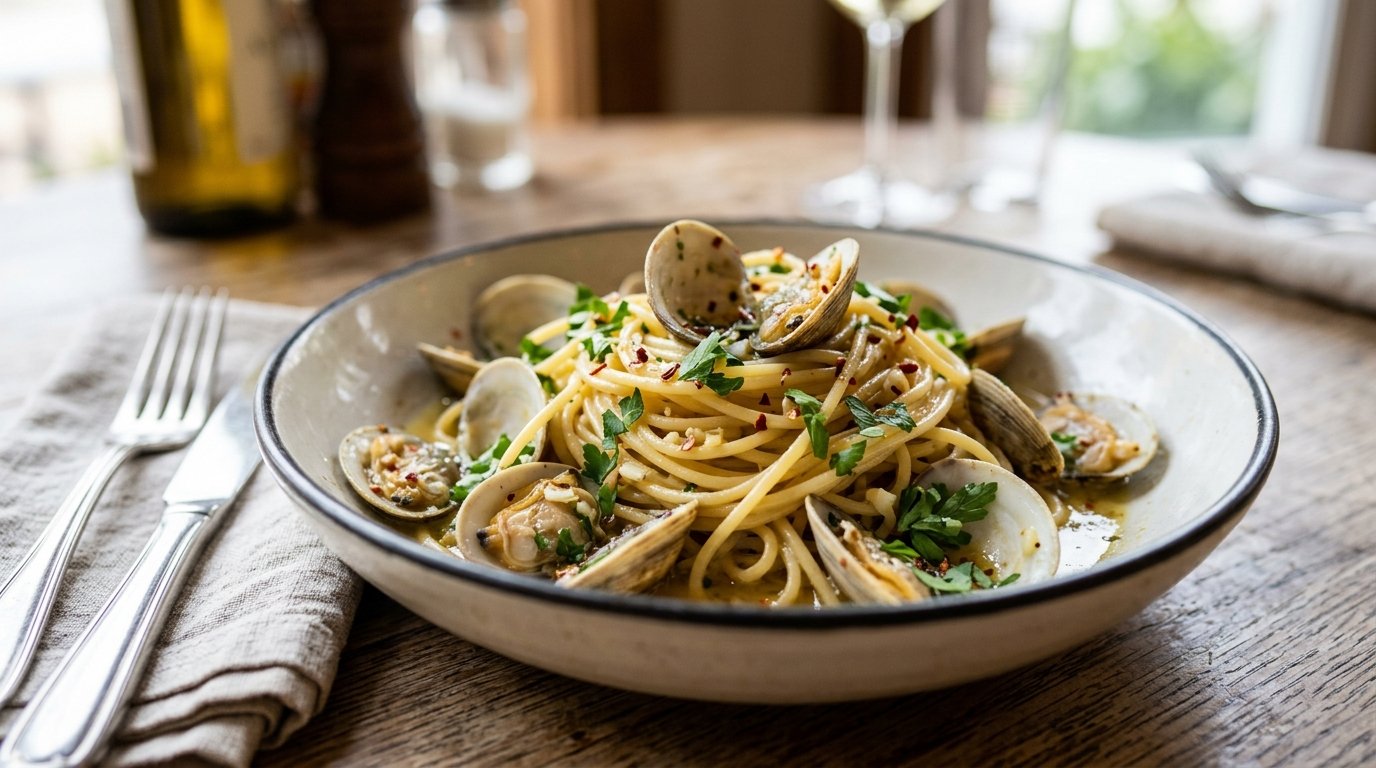
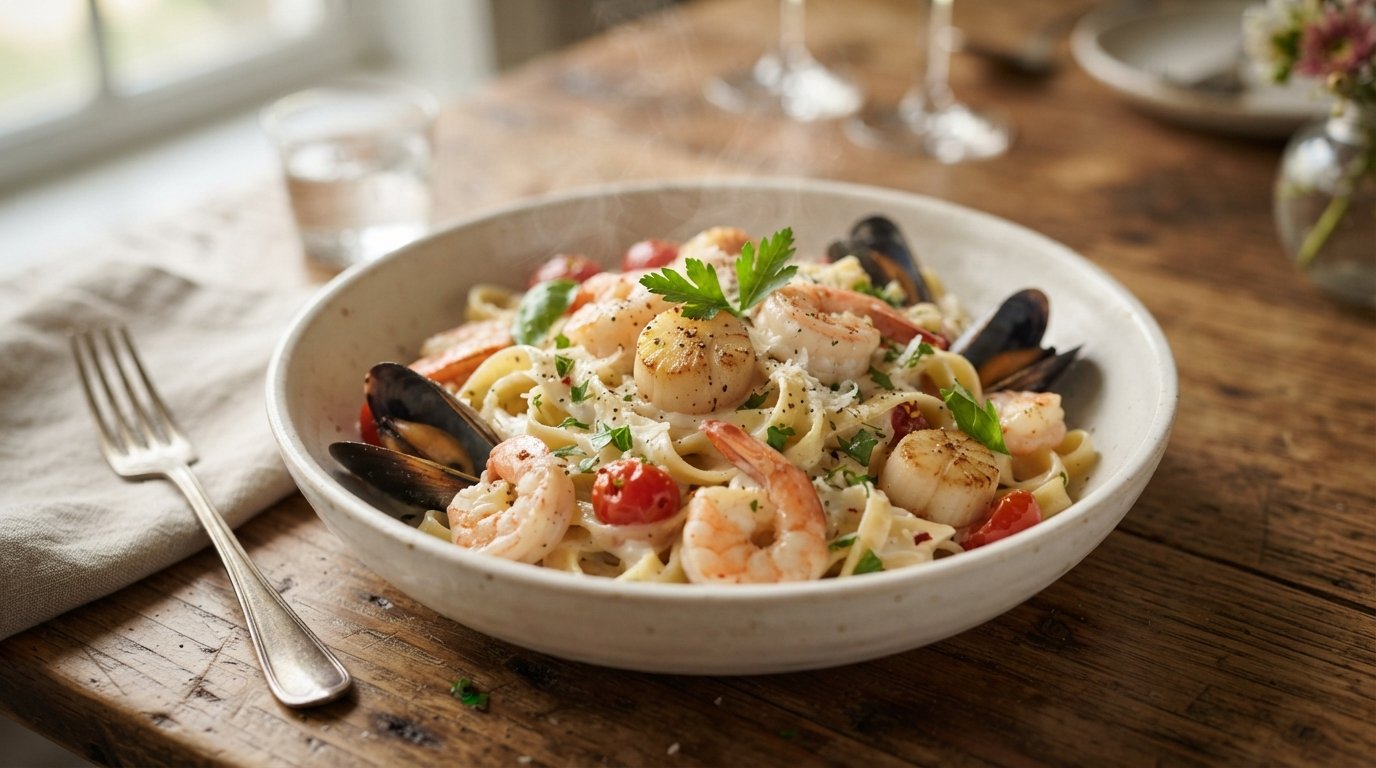
A delicious Seafood Pasta is one of those restaurant-quality meals that’s surprisingly easy to recreate at home. Tender shrimp, juicy mussels, perfectly cooked spaghetti, and sweet cherry tomatoes are tossed together in a buttery garlic sauce that lightly coats every strand of pasta. Fresh herbs finish the dish with brightness while the seafood adds incredible flavor.
Whether you’re preparing a cozy family dinner or an elegant meal for guests, this seafood pasta recipe delivers impressive results without requiring professional cooking skills. The combination of fresh ingredients and simple cooking techniques creates a meal that’s light, satisfying, and packed with Mediterranean flavors.
Why This Recipe Works
This recipe succeeds because every ingredient has a purpose. The pasta absorbs the flavorful garlic butter sauce, while the seafood cooks quickly enough to remain tender and juicy. Cherry tomatoes burst during cooking, releasing their natural sweetness into the sauce. Fresh parsley balances the richness with a clean, vibrant finish.
Instead of relying on heavy cream, this recipe keeps the sauce light so the seafood remains the star of the dish.
Why You’ll Love This Recipe
- Restaurant-quality flavor at home
- Ready in about 35 minutes
- Perfect for weeknight dinners
- Beautiful enough for special occasions
- Packed with fresh seafood
- Rich garlic butter flavor
- Light yet satisfying
- Easy to customize
- Family-friendly
- Excellent leftovers
Ingredient Notes

Spaghetti
Long pasta works best because it captures the sauce beautifully.
Substitute: Linguine, fettuccine, or tagliatelle.
Shrimp
Use large peeled and deveined shrimp for the best texture.
Buying Tip: Fresh or frozen both work well.
Mussels
Fresh mussels should smell like the ocean and have tightly closed shells.
Discard any that remain open after cooking.
Cherry Tomatoes
They become naturally sweet as they cook and create part of the sauce.
Substitute with grape tomatoes if needed.
Garlic
Fresh garlic provides the best aroma.
Avoid garlic powder for this recipe.
Butter
Creates a silky finish.
Half butter and half olive oil is also excellent.
Olive Oil
Use extra virgin olive oil for better flavor.
Fresh Parsley
Adds freshness and color.
Fresh basil is another wonderful option.
Lemon
A squeeze of lemon juice brightens the seafood beautifully.
Parmesan Cheese (Optional)
Adds richness, although many traditional seafood pasta recipes omit cheese.
Kitchen Equipment
Required
- Large pot
- Deep skillet
- Colander
- Chef’s knife
- Cutting board
- Tongs
- Wooden spoon
Optional
- Microplane for lemon zest
- Garlic press
- Seafood cracker (if serving shell-on seafood)
Preparation Information

| Information | Details |
|---|---|
| Preparation Time | 15 minutes |
| Cooking Time | 20 minutes |
| Total Time | 35 minutes |
| Yield | 4 servings |
Step-by-Step Instructions
Step 1 – Prepare the Pasta
Bring a large pot of generously salted water to a boil. Add the spaghetti and cook until just al dente according to the package directions.
Before draining, reserve about one cup of the pasta water. This starchy liquid helps create a silky sauce later.
The pasta should still have a slight bite because it will continue cooking in the skillet.
Step 2 – Prepare the Seafood
Pat the shrimp dry with paper towels.
Clean the mussels thoroughly under cold water, removing any beards.
Discard cracked mussels or any that don’t close when tapped.
Dry seafood browns much better than wet seafood.
Step 3 – Cook the Garlic Base
Heat olive oil and butter in a large skillet over medium heat.
Add the minced garlic and cook for about one minute.
Do not allow it to brown.
The kitchen should smell fragrant and buttery.
Step 4 – Cook the Shrimp
Add the shrimp in a single layer.
Cook about two minutes per side.
The shrimp should turn pink and curl gently into a “C” shape.
Overcooked shrimp become rubbery.
Remove them from the skillet temporarily.
Step 5 – Cook the Mussels
Add the mussels along with a splash of white wine or seafood stock.
Cover with a lid.
Cook for 4–5 minutes until the shells open.
Discard any unopened mussels.
Step 6 – Add the Tomatoes
Add the cherry tomatoes to the skillet.
Cook until they soften and begin to burst naturally.
Their juices combine with the butter and garlic to create a light sauce without needing cream.
Step 7 – Toss Everything Together
Return the shrimp to the skillet.
Add the cooked spaghetti.
Pour in a little reserved pasta water and toss continuously until every strand is lightly coated in the sauce.
Finish with chopped parsley, freshly cracked black pepper, and a squeeze of fresh lemon juice.
Serve immediately while hot with additional parsley for garnish.
Expert Tips
- Salt the pasta water generously.
- Never overcook seafood.
- Use fresh garlic instead of garlic powder.
- Toss the pasta instead of stirring.
- Finish with fresh herbs just before serving.
- Warm serving bowls help keep the pasta hot longer.
- Reserve pasta water—it transforms the sauce.
Common Mistakes
Overcooking Shrimp
Shrimp become rubbery within minutes.
Cook only until pink.
Burning Garlic
Garlic burns quickly and becomes bitter.
Cook over medium heat.
Overcooking Pasta
Always stop at al dente.
Forgetting Pasta Water
It helps bind the sauce naturally.
Using Cold Seafood
Recipe Variations
One of the best things about seafood pasta is how versatile it is. Here are a few delicious ways to customize it to suit your taste or dietary preferences.
Spicy Seafood Pasta
Add 1 teaspoon of crushed red pepper flakes while sautéing the garlic. Finish with freshly cracked black pepper for an extra kick.
Creamy Seafood Pasta
Stir in 1 cup of heavy cream and ½ cup grated Parmesan cheese after cooking the tomatoes for a rich, velvety sauce.
Garlic Butter Seafood Pasta
Skip the tomatoes and make a simple garlic butter sauce with fresh parsley and lemon juice for a lighter dish.
Mixed Seafood Pasta
Include scallops, squid rings, clams, crab meat, or lobster along with shrimp and mussels for a luxurious seafood feast.
Healthy Version
Use whole wheat or chickpea pasta and reduce the butter. Increase the vegetables by adding spinach, zucchini, or broccoli.
High-Protein Version
Double the shrimp and add grilled chicken breast for an even more filling meal.
Mediterranean Style
Add black olives, capers, spinach, roasted peppers, and crumbled feta cheese for extra Mediterranean flavor.
What to Serve With Seafood Pasta
This seafood pasta is satisfying on its own, but pairing it with complementary side dishes creates a complete restaurant-quality meal.
Bread
- Garlic Bread
- Toasted Ciabatta
- Homemade Focaccia
- Crusty Italian Bread
Salads
- Caesar Salad
- Greek Salad
- Arugula Salad with Lemon Dressing
- Mixed Green Salad
Vegetables
- Roasted Asparagus
- Steamed Broccoli
- Grilled Zucchini
- Roasted Brussels Sprouts
Drinks
- Sparkling Water with Lemon
- Fresh Lemonade
- Iced Tea
- White Wine (for those who drink alcohol)
Desserts
- Tiramisu
- Lemon Sorbet
- Panna Cotta
- Vanilla Gelato
- Fresh Mixed Berries
Make Ahead Tips
Although seafood pasta tastes best when freshly made, you can prepare several components ahead of time.
- Clean the mussels several hours before cooking.
- Peel and devein the shrimp in advance.
- Mince the garlic and chop the parsley ahead of time.
- Wash and halve the cherry tomatoes.
- Measure all ingredients before cooking for a smoother process.
Meal Prep Tips
If preparing meals for the week:
- Cook the pasta just until al dente.
- Store the seafood and pasta separately.
- Combine them only when reheating.
- Portion into airtight containers.
- Add fresh herbs after reheating rather than before storage.
Storage Instructions
Refrigerator
Allow the pasta to cool completely before transferring it to an airtight container.
Store for up to 3 days.
Freezer
While seafood pasta can be frozen, freshly cooked seafood has the best texture. Freeze in airtight freezer-safe containers for up to 2 months.
Thaw overnight in the refrigerator before reheating.
Reheating Instructions
Microwave
Place the pasta in a microwave-safe bowl.
Add a tablespoon of water or seafood stock.
Cover loosely and heat in 30-second intervals, stirring between each.
Stovetop
Warm the pasta gently in a skillet over medium-low heat with a splash of water, broth, or olive oil until heated through.
Oven
Place in an oven-safe dish.
Cover with foil and bake at 350°F (175°C) for about 15 minutes.
Air Fryer
Although not ideal, you can reheat seafood pasta in an air fryer at 320°F (160°C) for 4–5 minutes using a small oven-safe dish.
Nutritional Information (Approximate Per Serving)
| Nutrient | Amount |
|---|---|
| Calories | 540 kcal |
| Protein | 34 g |
| Carbohydrates | 52 g |
| Fat | 20 g |
| Saturated Fat | 7 g |
| Fiber | 4 g |
| Sugar | 6 g |
| Sodium | 760 mg |
Nutrition values are estimates and may vary depending on the exact ingredients used.
Troubleshooting Guide
My Shrimp Turned Rubbery
The shrimp cooked too long.
Cook only until they turn pink and opaque.
The Mussels Didn’t Open
Discard any mussels that remain closed after cooking, as they may not be safe to eat.
My Pasta Is Dry
Add reserved pasta water a little at a time while tossing until the sauce becomes silky.
The Sauce Is Too Thin
Allow it to simmer for another minute or two, or toss with additional pasta to absorb excess liquid.
The Garlic Burned
Burnt garlic develops a bitter taste. Start over with fresh garlic and cook it gently over medium heat.
The Pasta Is Too Salty
Add a squeeze of lemon juice and toss with a little unsalted pasta or extra vegetables to balance the flavor.
Frequently Asked Questions
Can I use frozen seafood?
Yes. Thaw it completely and pat it dry before cooking.
What’s the best pasta for seafood?
Spaghetti and linguine are classic choices because they hold the light sauce well.
Can I make this recipe dairy-free?
Yes. Replace the butter with extra virgin olive oil.
Can I use only shrimp?
Absolutely. Shrimp alone makes an excellent seafood pasta.
Should I rinse the pasta?
No. The starch on the pasta helps the sauce cling to it.
Can I prepare seafood pasta ahead of time?
You can prep the ingredients in advance, but cook the seafood just before serving for the best texture.
How do I know when shrimp are done?
They turn pink, opaque, and curl into a gentle “C” shape.
Can I add cheese?
Yes, although traditional Italian seafood pasta often skips Parmesan. If you enjoy it, add a light sprinkle just before serving.
Which herbs work best?
Fresh parsley and basil are both excellent choices.
Can I make it gluten-free?
Yes. Simply use your favorite gluten-free pasta.
Final Thoughts
This homemade Seafood Pasta brings together tender shrimp, flavorful mussels, sweet cherry tomatoes, and perfectly cooked spaghetti in a simple garlic butter sauce that’s both elegant and comforting. It’s a versatile recipe that’s easy enough for a weeknight dinner yet impressive enough for entertaining family and friends.
Whether you’re serving it with warm garlic bread, a crisp green salad, or enjoying it on its own, this dish is sure to become a favorite in your recipe collection. Don’t be afraid to experiment with your favorite seafood or vegetables to make it your own. If you try this recipe, leave a comment below, share your experience, and rate the recipe to help other home cooks. Happy cooking!