Quick Recipe Summary
| Feature | Details |
|---|---|
| Prep Time | 20 minutes |
| Cook Time | 30 minutes |
| Total Time | 50 minutes |
| Servings | 4 |
| Cuisine | American / Creole |
| Course | Main Course / Dinner |
| Difficulty | Intermediate |
| Calories | ~780 kcal per serving |
Table of Contents
- Introduction
- Why This Recipe Works
- Why You’ll Love This Recipe
- Ingredient Notes
- Kitchen Equipment
- Preparation Information
- Step-by-Step Instructions
- Expert Tips
- Common Mistakes
- Recipe Variations
- What to Serve With This Recipe
- Make Ahead & Meal Prep Tips
- Storage & Reheating Instructions
- Nutritional Information
- Troubleshooting Guide
- Frequently Asked Questions
- Final Thoughts
Introduction
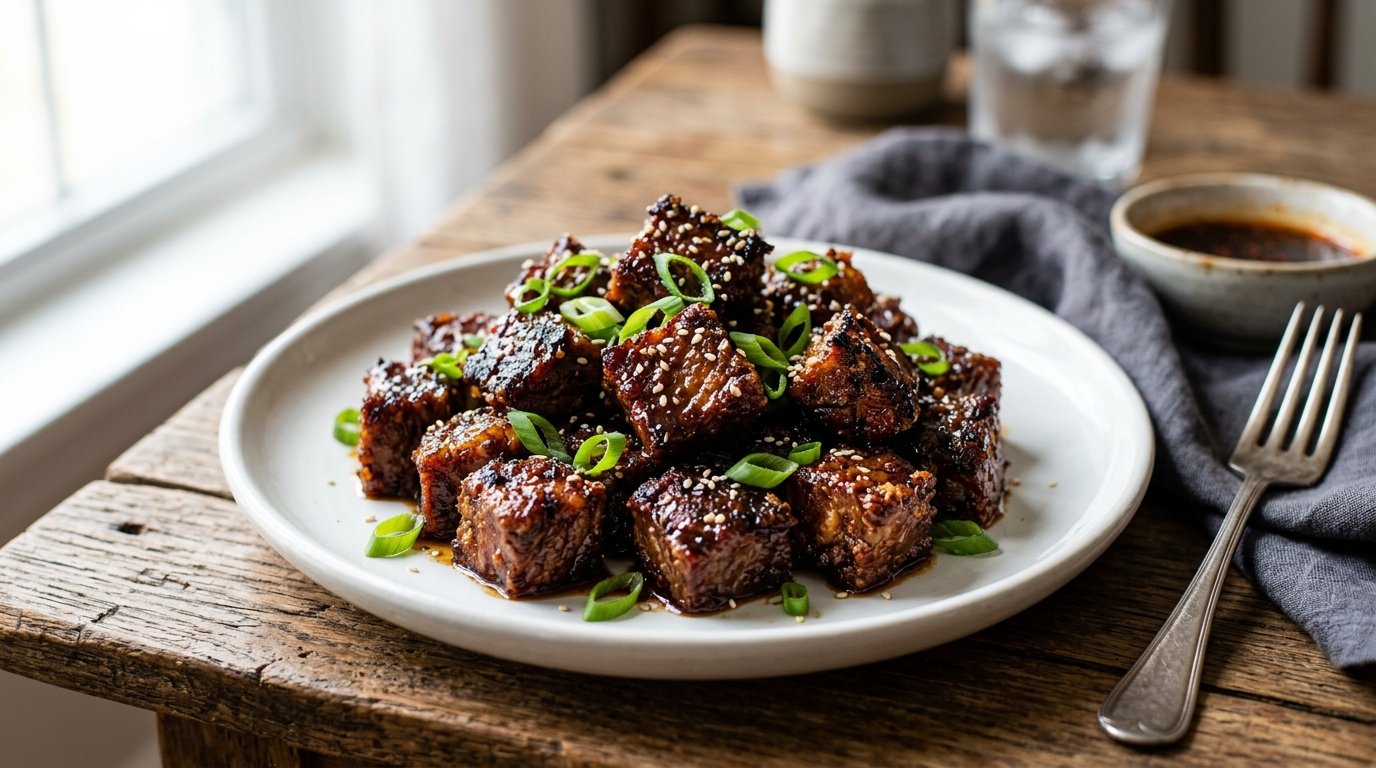
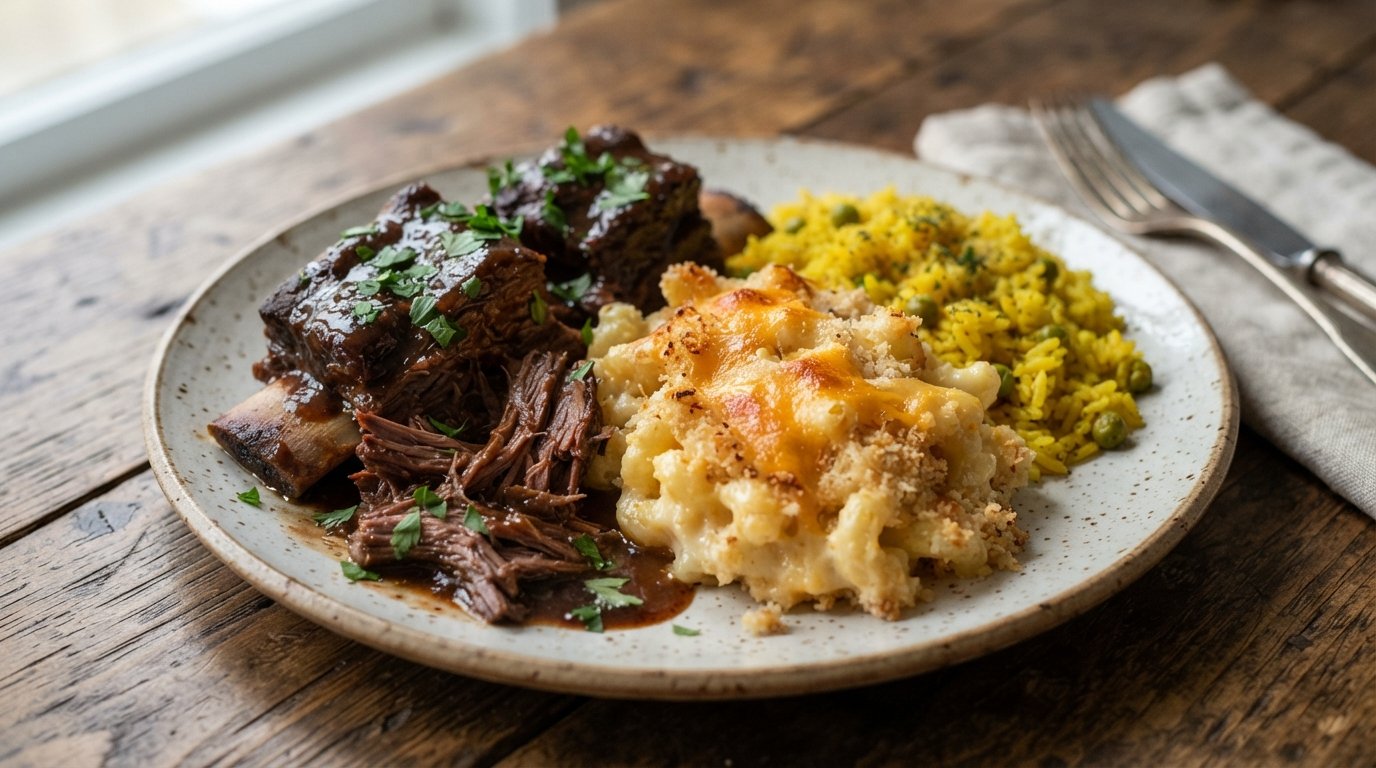
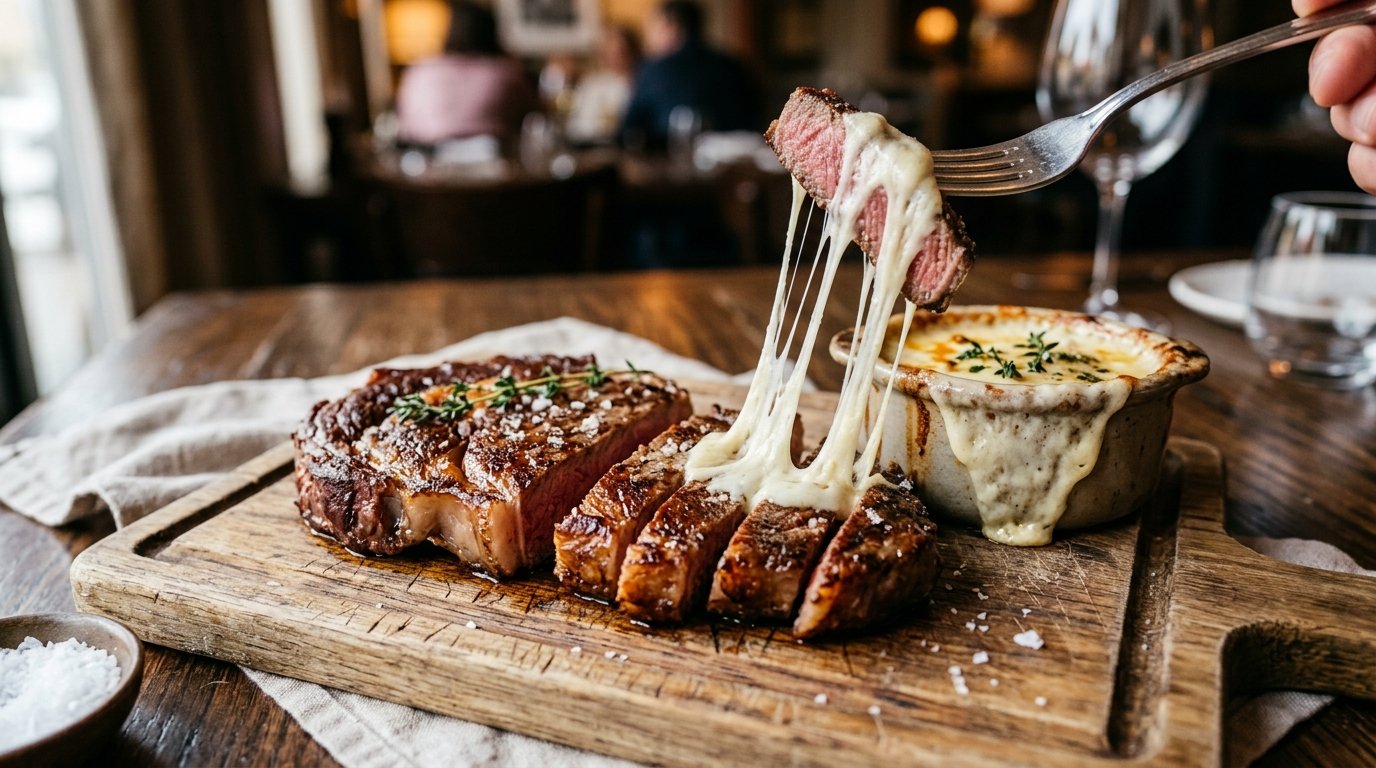
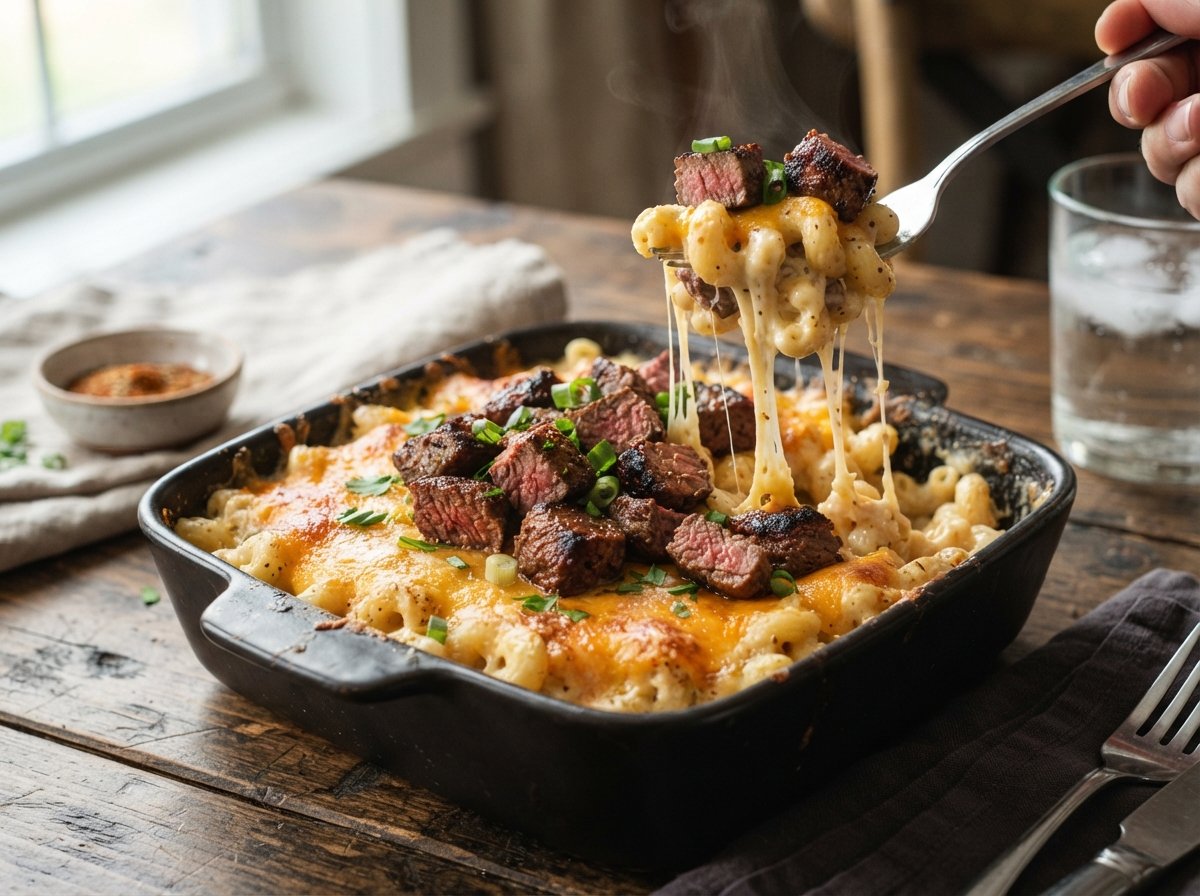
There is a specific kind of magic that happens when you combine two of the ultimate comfort foods into one spectacular dish. If you have ever found yourself torn between a perfectly seared, juicy steak and a bubbling, golden-brown bowl of baked pasta, you no longer have to choose. This steak bite mac and cheese recipe brings together the rich, creamy indulgence of homemade macaroni and cheese with the savory, robust punch of Creole-seasoned beef cubes.
Whether you are looking to elevate your weeknight dinner rotation or planning a cozy weekend feast, this dish delivers restaurant-quality results right in your own kitchen. The contrast between the tender, caramelized steak bites and the velvety, cheese-coated elbow macaroni creates a symphony of textures and flavors in every single bite. Let’s dive into how you can master this show-stopping meal.
Why This Recipe Works
The success of this recipe lies in its balance of flavors, textures, and cooking techniques. First, we build a classic French roux-based cheese sauce, which ensures a smooth, velvety texture that coats the pasta perfectly without becoming greasy or grainy. Second, by using a high-heat sear on the beef, we trigger the Maillard reaction—a chemical process that creates deep, complex, savory flavors and a beautiful crust on the steak bites. Finally, baking the mac and cheese in individual portions allows the edges to get perfectly crispy and caramelized, while the center remains gooey and creamy. The addition of Creole seasoning ties the beef and the cheese sauce together with a subtle, warming spice profile that cuts through the richness of the dairy.
Why You’ll Love This Recipe
- Ultimate Comfort Food: It combines the nostalgic warmth of baked mac and cheese with the hearty satisfaction of steak.
- Perfectly Balanced Flavors: The sharp, creamy cheese is beautifully complemented by the savory, slightly spicy Creole-seasoned beef.
- Individual Portions: Baking in separate dishes ensures everyone gets those coveted crispy, cheesy edges.
- Impressive Yet Approachable: It looks and tastes like a high-end restaurant dish, but the techniques are completely manageable for home cooks.
- Highly Customizable: The base recipe is incredibly versatile, allowing for easy tweaks to suit your family’s spice tolerance and dietary preferences.
Ingredient Notes
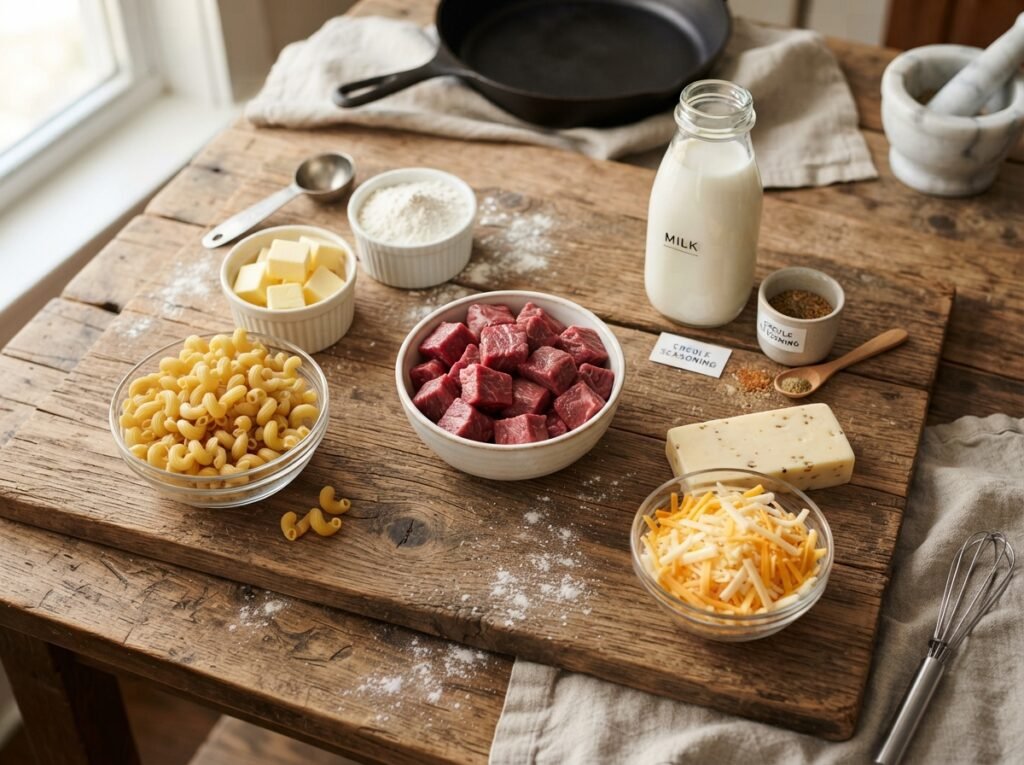
For the Steak Bites
- Beef Chuck or Sirloin: Chuck roast offers incredible flavor and stays juicy when cut into cubes, while top sirloin is a bit more tender. Look for well-marbled meat, as the intramuscular fat melts during cooking, keeping the bites tender.
- Creole Seasoning: A blend like Tony Chachere’s provides a perfect mix of salt, garlic, onion, and a hint of cayenne. It seasons the meat deeply and adds a signature flavor profile to the entire dish.
- Garlic Powder & Black Pepper: These enhance the savory depth of the beef and complement the Creole blend.
- High-Smoke Point Oil: Avocado, canola, or vegetable oil is essential for searing the steak at high heat without burning.
For the Macaroni and Cheese
- Elbow Macaroni: The classic choice. Its curved shape acts as a little scoop, trapping the cheese sauce inside the tube and on the outside.
- Unsalted Butter: Using unsalted butter allows you to control the exact sodium level of your roux.
- All-Purpose Flour: This acts as the thickening agent for your roux. It cooks out the raw flour taste and provides the structure for the sauce.
- Whole Milk or Half-and-Half: Whole milk provides a lighter sauce, while half-and-half yields an ultra-rich, decadent texture. Avoid skim milk, as it lacks the necessary fat for a creamy emulsion.
- Sharp Cheddar Cheese: The backbone of the flavor. Always buy blocks of cheese and grate it yourself. Pre-shredded cheese is coated in anti-caking agents (like cellulose) that prevent it from melting smoothly.
- Monterey Jack or Gruyère: These cheeses have excellent melting properties and add a nutty, buttery depth that balances the sharpness of the cheddar.
- Tony Chachere’s (for topping): A light sprinkle over the top before baking adds an extra layer of savory spice to the crust.
Kitchen Equipment
Required:
- Large pot (for boiling pasta)
- Colander
- Large mixing bowl
- Medium saucepan (for the cheese sauce)
- Whisk
- Cast iron skillet (crucial for a proper sear on the steak)
- Tongs
- 4 individual square baking dishes (approx. 12-16 oz capacity each)
- Cutting board and sharp chef’s knife
Optional but Helpful:
- Box grater or food processor with a shredding disk (for the cheese)
- Meat thermometer (to ensure perfect steak doneness)
- Oven mitts
Preparation Information
- Prep Time: 20 minutes (Includes cubing beef, grating cheese, and measuring ingredients)
- Cook Time: 30 minutes (10 mins for pasta, 15 mins for baking mac and cheese, 10 mins for searing steak)
- Total Time: 50 minutes
- Servings: 4 generous portions
Step-by-Step Instructions
1. Prep and Season the Steak
Start by cutting your beef into uniform 1-inch cubes. Uniformity is key here; it ensures that all the pieces cook at the exact same rate, preventing some from being overcooked while others remain raw. Place the cubes in a large bowl. Generously season them with Creole seasoning, garlic powder, salt, and freshly cracked black pepper. Toss them thoroughly by hand to ensure every surface of the meat is coated. Let the meat sit at room temperature for 15 minutes while you prep the rest of the ingredients. Taking the chill off the meat promotes a better, more even sear.
2. Cook the Pasta
Bring a large pot of heavily salted water to a rolling boil. The water should taste like the sea; this is your only chance to season the pasta itself. Add the elbow macaroni and cook according to the package directions, but drain it exactly one minute before it reaches al dente. The pasta will continue to cook in the hot cheese sauce and in the oven. If you cook it to fully al dente now, it will turn mushy later. Drain the pasta in a colander and set it aside. Do not rinse it; the surface starch helps the cheese sauce cling to the noodles.
3. Make the Cheese Sauce (The Roux Method)
In a medium saucepan over medium heat, melt the unsalted butter. Once melted and foaming, sprinkle in the all-purpose flour. Whisk continuously for about 2 to 3 minutes. This step, known as cooking the roux, is vital. It eliminates the raw, powdery taste of the flour and turns it a light golden color, adding a subtle nutty flavor.
Slowly pour in the milk (or half-and-half) while whisking vigorously to prevent lumps from forming. Continue to whisk until the mixture thickens and just begins to bubble. Reduce the heat to low. Gradually add your freshly grated cheeses, a handful at a time, whisking until completely melted and smooth before adding the next batch. Season the sauce lightly with salt and pepper. Remember, the cheese and the Creole seasoning on the beef will add plenty of salt, so taste as you go.
4. Assemble the Mac and Cheese
Pour the hot, velvety cheese sauce over the drained elbow macaroni in your large mixing bowl. Fold gently with a spatula until every single noodle is coated in the golden sauce. Divide the mixture evenly among your four individual square baking dishes. Smooth the tops. For an extra layer of flavor and a beautiful crust, sprinkle a little more shredded cheese and a light dusting of Creole seasoning over the top of each dish.
5. Bake the Mac and Cheese
Preheat your oven to 350°F (175°C). Place the baking dishes on a baking sheet (this makes transferring them in and out of the oven much safer and easier). Bake for 15 to 20 minutes, or until the cheese on top is melted, bubbly, and starting to turn golden brown at the edges.
6. Sear the Steak Bites
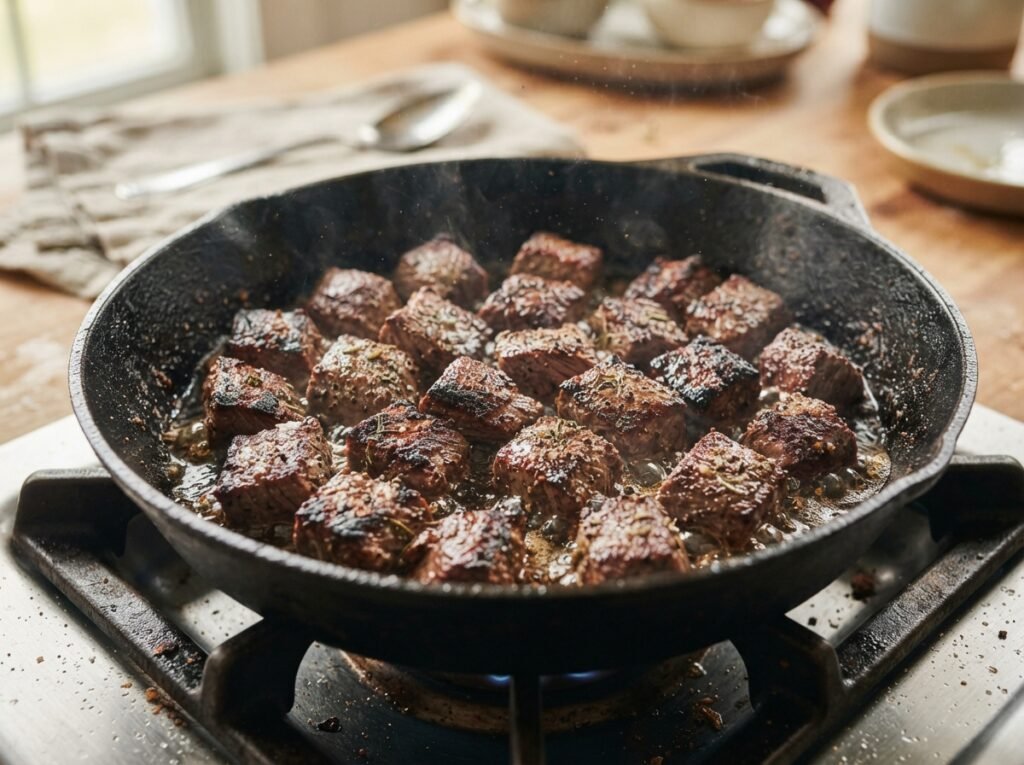
While the mac and cheese is baking, heat a large cast iron skillet over medium-high heat until it is smoking hot. Add a splash of high-smoke-point oil. Carefully add the seasoned steak bites in a single layer. Do not overcrowd the pan. If you crowd the meat, it will steam instead of sear. If your skillet isn’t large enough, cook the beef in two batches.
Let the steak bites cook undisturbed for 2 to 3 minutes on the first side to develop a deep, brown crust. Use tongs to flip them and cook for another 2 to 3 minutes on the other sides. You are aiming for a medium-rare to medium doneness (130°F to 135°F internal temperature). Remove the steak from the pan and let it rest for a few minutes.
7. Final Assembly
Once the mac and cheese is out of the oven and the steak bites have rested, pile the juicy, caramelized beef cubes generously over the top of each baked pasta portion. Serve immediately while the cheese is still stretchy and the steak is warm.
Expert Tips
- Grate Your Own Cheese: I cannot stress this enough. Pre-shredded cheese contains potato starch or cellulose to keep the strands from clumping in the bag. These additives prevent the cheese from melting into a smooth sauce, resulting in a gritty texture. Buy blocks and grate them yourself.
- The Power of the Cast Iron: A cast iron skillet retains heat incredibly well. When you drop the room-temperature steak into the hot pan, the temperature of the pan doesn’t plummet, ensuring a perfect, restaurant-quality crust.
- Undercook the Pasta: Pasta acts like a sponge. It will absorb the moisture from the cheese sauce as it bakes. If you cook it to al dente on the stove, it will be overcooked by the time it reaches the table. Pull it off the stove when it still has a slight bite to it.
- Rest the Meat: Just like a whole steak, cubed steak needs to rest after cooking. This allows the muscle fibers to relax and reabsorb the juices. If you cut into it immediately, all those delicious juices will run out onto the cutting board.
Common Mistakes
- Breaking the Cheese Sauce: If your sauce looks greasy or separated, the heat was too high. Cheese is an emulsion of fat and protein. High heat causes the proteins to tighten and squeeze out the fat. Fix: Remove from heat immediately and whisk in a splash of cold milk to bring the temperature down and re-emulsify the sauce.
- Overcrowding the Skillet: Adding too much meat to the pan at once lowers the pan’s temperature drastically. Instead of searing, the meat will boil in its own juices, resulting in gray, rubbery steak bites. Fix: Cook in batches, leaving space between the cubes.
- Using the Wrong Cheese: Soft, fresh cheeses (like mozzarella or ricotta) lack the structural integrity to make a thick sauce, while aged cheeses (like extra sharp cheddar) can become grainy if overheated. Fix: Use a blend. Sharp cheddar for flavor, combined with a high-moisture, excellent-melting cheese like Monterey Jack, Fontina, or Gruyère.
Recipe Variations
- Spicy Kick: Add diced jalapeños or a dash of hot sauce directly into the cheese sauce. You can also toss the steak bites in a spicy Cajun rub instead of the standard Creole seasoning.
- Chicken Alternative: Swap the beef for bite-sized pieces of chicken breast or thighs. Season with poultry seasoning or a lemon-herb blend for a lighter, brighter flavor profile.
- Seafood Twist: For a luxurious surf-and-turf vibe, replace the steak with large, seared sea scallops or sautéed shrimp. A touch of Old Bay seasoning in the cheese sauce complements the seafood beautifully.
- Extra Cheesy: Fold an extra cup of shredded cheese directly into the pasta before baking, and top with a layer of panko breadcrumbs mixed with melted butter for an extra crunchy crust.
- Healthy/Low-Carb: Substitute the elbow macaroni with roasted cauliflower florets or shirataki noodles. Use half-and-half instead of milk, and opt for a lower-fat cheese blend to reduce the overall calorie count.
- Vegan Version: Use plant-based butter, unsweetened almond or oat milk, and high-quality vegan cheddar shreds. For the “steak,” use marinated, seared king oyster mushroom cubes or a plant-based beef alternative.
What to Serve With This Recipe
Because this dish is incredibly rich and hearty, it pairs best with sides that offer a crisp, acidic, or fresh contrast to cut through the heaviness.
- Side Salads: A classic Caesar salad with a sharp, lemony dressing, or a simple arugula salad tossed in a bright vinaigrette.
- Green Vegetables: Roasted asparagus, garlic sautéed green beans, or steamed broccoli with a squeeze of fresh lemon juice.
- Bread: A crusty baguette or warm garlic bread to soak up any leftover cheese sauce.
- Drinks: A bold, full-bodied red wine like a Cabernet Sauvignon or a Malbec pairs wonderfully with the beef. For a non-alcoholic option, try an iced tea with a splash of lemon or a sparkling water with cucumber.
- Dessert: Keep it light. A refreshing fruit sorbet, a simple berry crisp, or a slice of fresh pineapple provides a sweet, acidic finish to the meal.
Make Ahead & Meal Prep Tips
This recipe is highly conducive to meal prep, making it a fantastic option for busy weeks.
- Prep the Components: You can cube and season the steak, grate the cheese, and measure out the roux ingredients up to 24 hours in advance. Store them in airtight containers in the refrigerator.
- Assemble and Chill: You can fully assemble the mac and cheese in the baking dishes, cover them tightly with plastic wrap, and refrigerate them for up to 2 days before baking. When ready to cook, just add an extra 10-15 minutes to the baking time since the dish will be starting from cold.
- Freezing: Mac and cheese freezes beautifully. Assemble the unbaked portions, wrap them tightly in plastic wrap and then aluminum foil, and freeze for up to 3 months. Thaw in the refrigerator overnight before baking. Note: It is best to cook the steak fresh on the day you plan to eat it, as reheated steak can lose some of its tender texture.
Storage & Reheating Instructions
Storage
- Refrigerator: Allow the mac and cheese and steak to cool completely to room temperature (no longer than 2 hours). Store them in airtight containers in the refrigerator for up to 4 days. You can store them together or keep the steak separate to maintain its texture.
- Freezer: Baked mac and cheese can be frozen for up to 2 months. Portion it into freezer-safe containers, leaving a little headspace for expansion. Thaw overnight in the fridge before reheating.
Reheating
- Oven (Best Method): Preheat to 350°F. Place the mac and cheese in an oven-safe dish, sprinkle a tiny bit of milk over the top to rehydrate it, cover with foil, and bake for 15-20 minutes. Remove the foil for the last 5 minutes to crisp the top. Reheat the steak separately in a skillet.
- Air Fryer: Great for reviving the crispy top. Reheat at 350°F for 5-7 minutes.
- Stovetop: For individual portions, place the mac and cheese in a non-stick skillet over medium-low heat. Add a splash of milk and stir gently until warmed through and creamy again.
- Microwave (Quickest): Place in a microwave-safe bowl, add a tablespoon of milk, cover loosely, and heat in 1-minute intervals, stirring in between, until hot. Note: The microwave will make the pasta soft and the top will lose its crispiness.
Nutritional Information
Note: Nutritional values are approximate and will vary based on the specific brands and exact cuts of meat and cheese used.
- Calories: 780 kcal
- Protein: 42g
- Carbohydrates: 48g
- Fat: 46g
- Saturated Fat: 22g
- Fiber: 2g
- Sugar: 6g
- Sodium: 950mg
Troubleshooting Guide
Problem: The cheese sauce is grainy or gritty. Cause: The heat was too high when melting the cheese, causing the proteins to coagulate and separate from the fat. Solution: Next time, melt the cheese on low heat. To fix a grainy sauce, remove it from the heat immediately and whisk in a splash of cold milk or a teaspoon of lemon juice to help re-emulsify the fats.
Problem: The mac and cheese is dry after baking. Cause: The pasta was overcooked on the stove, or the sauce was too thick before baking. Solution: Ensure you undercook the pasta by 1 minute. If your cheese sauce seems too thick before assembling, thin it out with a little extra milk.
Problem: The steak bites are tough and chewy. Cause: The meat was overcrowded in the pan (steaming instead of searing), or it was cooked past medium doneness. Solution: Sear in batches to maintain high pan temperature, and pull the steak off the heat at 130°F-135°F. Let it rest before serving.
Problem: The roux tastes like raw flour. Cause: The flour and butter mixture wasn’t cooked long enough before adding the milk. Solution: Always cook your roux for at least 2 to 3 minutes until it smells nutty and loses its raw, pasty aroma before introducing the liquid.
Frequently Asked Questions
1. Can I use pre-shredded cheese for this recipe? While you can, it is highly discouraged. Pre-shredded cheese is coated in anti-caking agents that prevent it from melting smoothly, often resulting in a grainy or gummy sauce. Grating your own cheese from a block yields a vastly superior texture.
2. What is the best cut of beef for steak bites? Beef chuck roast is fantastic because it is well-marbled and full of flavor, staying juicy when cubed. Top sirloin is another excellent choice if you prefer a slightly more tender bite. Avoid very lean cuts like eye of round, which can dry out quickly.
3. Can I make this recipe gluten-free? Yes! Simply swap the elbow macaroni for a high-quality gluten-free pasta (brown rice or chickpea pasta works well) and use a 1:1 gluten-free all-purpose flour blend for the roux.
4. How do I know when the steak bites are done? The best way is to use an instant-read meat thermometer. For medium-rare, look for 130°F-135°F; for medium, aim for 140°F-145°F. If you don’t have a thermometer, cut into one piece; it should be warm and pink in the center, not bright red or completely gray.
5. Why do I need to let the steak rest after searing? Resting allows the muscle fibers, which tighten up during the high-heat cooking process, to relax. This lets the juices redistribute evenly throughout the meat. If you skip this step, the juices will spill out when you bite into it, leaving the meat dry.
6. Can I add vegetables to the mac and cheese? Absolutely. Steamed broccoli florets, roasted red peppers, or caramelized onions fold beautifully into the cheese sauce and add great texture and nutritional value.
7. Is it okay to use skim milk for the cheese sauce? It is not recommended. The fat content in whole milk or half-and-half is crucial for creating a rich, creamy, and stable emulsion. Skim milk lacks the necessary fat and can result in a thin, watery sauce.
8. How can I make the top of the mac and cheese extra crispy? After sprinkling the final layer of cheese, add a mixture of panko breadcrumbs tossed with a little melted butter and a pinch of Creole seasoning. The breadcrumbs will toast in the oven, providing an incredible crunch.
Final Thoughts
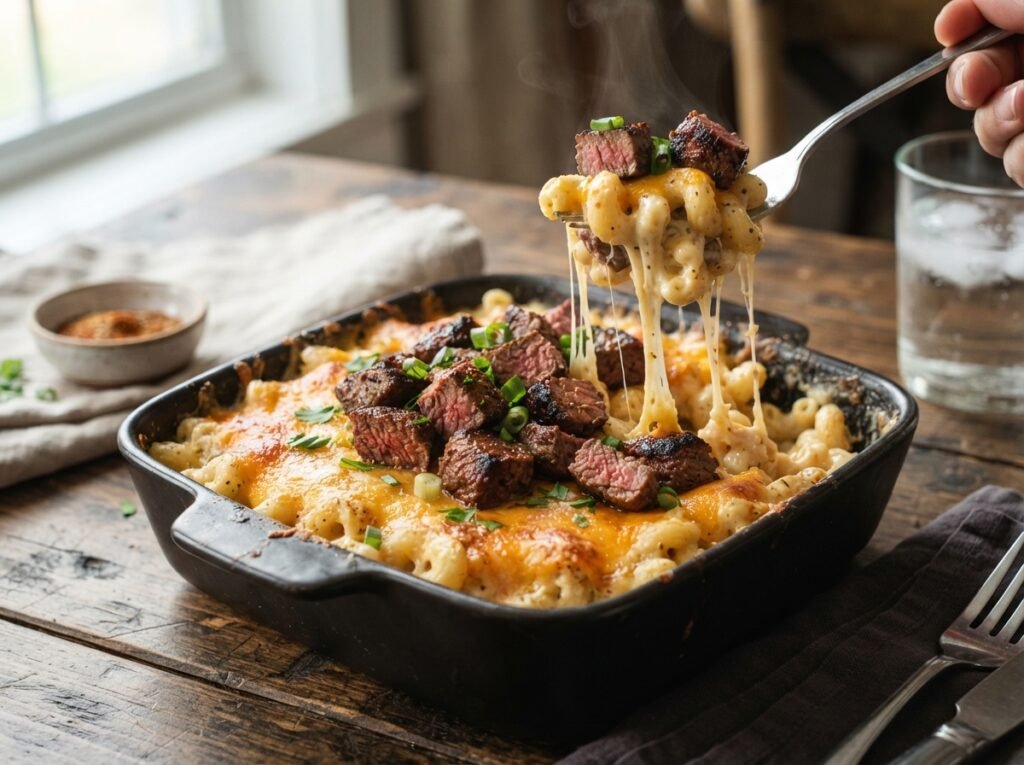
There is nothing quite like the comfort of a warm, cheesy, and deeply savory meal after a long day. This steak bite mac and cheese recipe is more than just a combination of pasta and meat; it is a celebration of rich flavors and satisfying textures. By taking the time to build a proper roux, sear the beef to perfection, and bake the pasta until it’s bubbling and golden, you are creating a dish that feels like a warm hug