Quick Recipe Summary
| Feature | Details |
|---|---|
| Prep Time | 15 Minutes |
| Cook Time | 20 Minutes |
| Total Time | 35 Minutes |
| Servings | 4 |
| Cuisine | Italian / Neapolitan |
| Course | Main Course / Primo |
| Difficulty | Intermediate |
| Calories | ~480 kcal per serving |
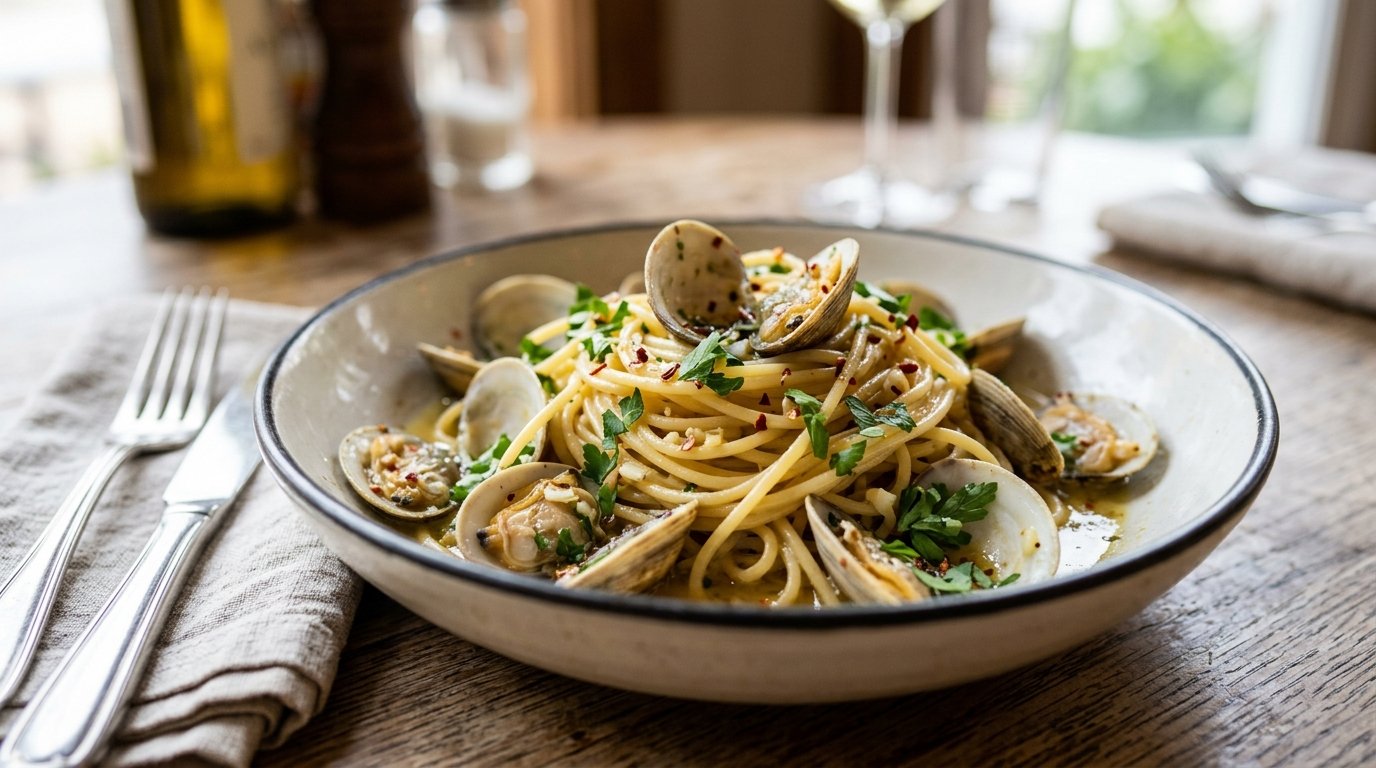
This recipe relies on precise timing and the alchemy of starch and fat to create its signature silky texture. By finishing the pasta directly in the skillet with the clam broth and olive oil, you achieve a natural emulsion that clings to every noodle. The addition of cherry tomatoes provides a subtle sweetness and acidity that balances the salinity of the shellfish, while fresh parsley adds a necessary herbal brightness. Served immediately, this dish offers a perfect harmony of oceanic depth and vibrant freshness.
Table of Contents
- Introduction
- Why This Recipe Works
- Why You’ll Love This Recipe
- Ingredient Notes
- Kitchen Equipment
- Preparation Information
- Step-by-Step Instructions
- Expert Tips
- Common Mistakes
- Recipe Variations
- What to Serve With This Recipe
- Make Ahead & Meal Prep Tips
- Storage Instructions
- Reheating Instructions
- Nutritional Information
- Troubleshooting Guide
- Frequently Asked Questions
- Final Thoughts
Introduction
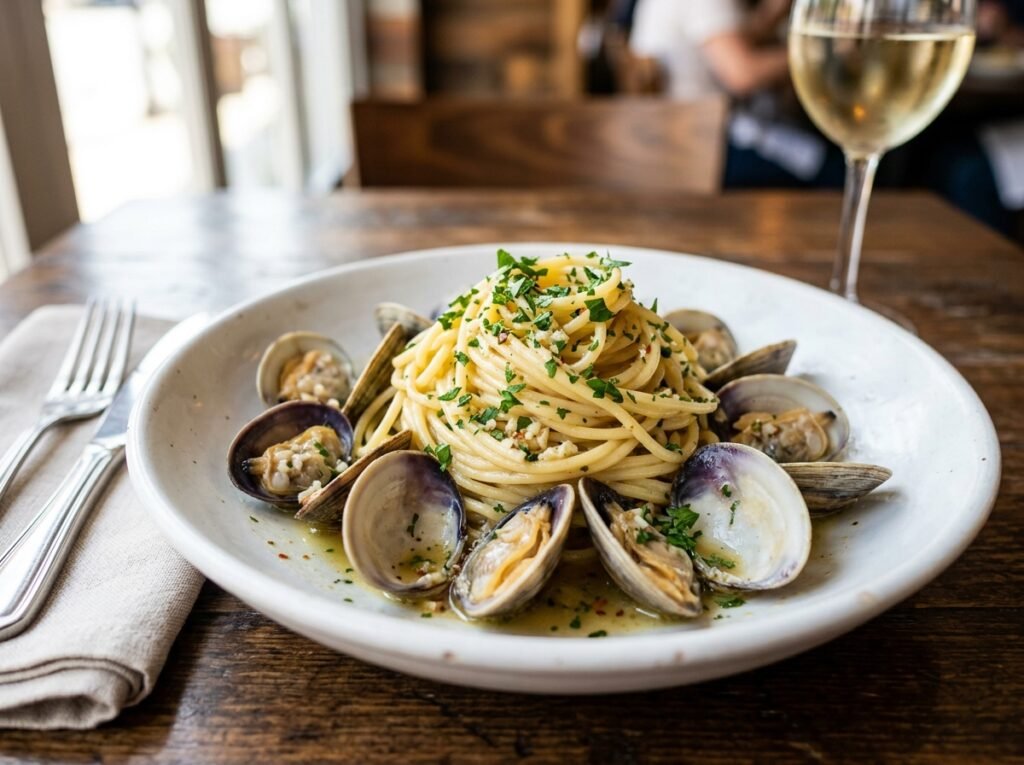
If you have ever been disappointed by dry, separated seafood pasta at restaurants, you know exactly why mastering Spaghetti alle Vongole is a culinary game-changer. Unlike cream-based clam dishes that can mask delicate flavors, this traditional preparation highlights the pristine taste of the bivalves themselves. The video demonstration emphasizes the critical moment of emulsification—tossing the pasta vigorously in the pan with starchy water and oil to create a creamy sauce without any dairy. This technique is the secret to authentic Italian pasta, transforming simple ingredients into something luxurious.
The beauty of this dish lies in its restraint. There are no overpowering spices or heavy reductions; instead, it relies on the quality of the clams, the fruitiness of the olive oil, and the precision of the cook. Whether you are hosting a romantic dinner or simply treating yourself to a taste of the Amalfi Coast, this recipe delivers consistent elegance. It teaches fundamental skills like purging shellfish and building pan sauces that will elevate your entire repertoire of seafood cooking.
Why This Recipe Works
From a food science perspective, the success of Spaghetti alle Vongole hinges on two processes: osmosis and emulsification. When clams are steamed in white wine, the heat causes their adductor muscles to relax, releasing their internal liquor—a concentrated essence of the sea. This liquid, combined with the wine and aromatics, forms the flavor base. Simultaneously, the alcohol in the wine volatilizes, carrying aromatic compounds from the garlic and chili flakes throughout the dish while leaving behind acidity that cuts through the richness of the olive oil.
The final toss is equally scientific. Pasta water contains dissolved amylose (starch) released during boiling. When this starchy water meets the hydrophobic olive oil and clam broth under mechanical agitation (tossing), it creates a stable emulsion. The starch molecules act as surfactants, allowing the oil and water to bind into a creamy, cohesive sauce rather than separating into greasy pools. This is why draining pasta completely is a cardinal sin in Italian cooking; that cloudy water is liquid gold essential for texture.
Why You’ll Love This Recipe
- Authentic Technique: Learn the professional method of finishing pasta in the pan for superior texture and flavor integration.
- Light Yet Satisfying: A guilt-free indulgence that feels rich due to emulsification, not heavy cream or butter.
- Quick Turnaround: Ready in under 35 minutes, making it perfect for busy weeknights or impromptu entertaining.
- Versatile Base: Easily adaptable with different pastas, wines, or additional seafood based on preference.
- Impressive Presentation: The contrast of purple-rimmed shells against golden pasta looks stunning on the table.
- Pantry Friendly: Relies mostly on shelf-stable staples (pasta, oil, wine) plus fresh clams, reducing last-minute shopping stress.
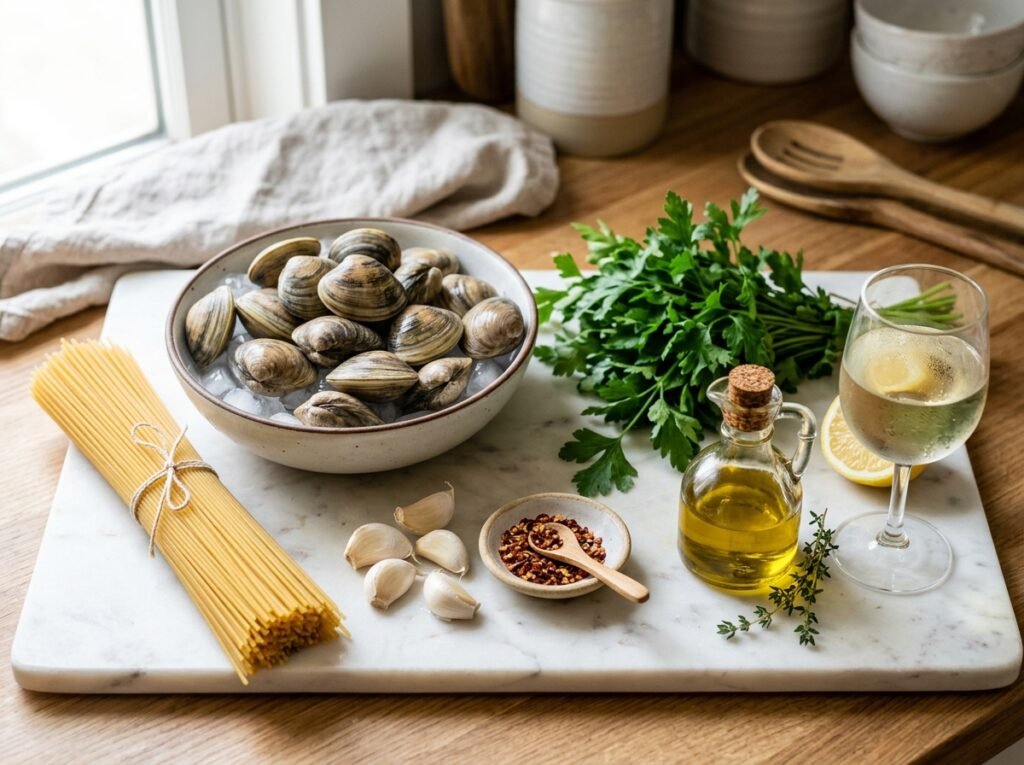
Ingredient Notes
Spaghetti
- Purpose: The structural foundation. Long strands hold the light sauce better than short shapes.
- Substitutions: Linguine (traditional alternative), bucatini (hollow center holds sauce), or vermicelli. Avoid short pastas like penne which don’t coat as elegantly.
- Buying Tips: Look for bronze-die extruded pasta with a rough, matte surface. This texture grabs sauce far better than smooth, Teflon-extruded varieties. Durum wheat semolina is standard.
- Storage Tips: Store in a cool, dry place in an airtight container. Fresh pasta has a shorter shelf life; dried lasts indefinitely.
Fresh Clams (Vongole Veraci/Manila)
- Purpose: The star protein. Provides briny sweetness and umami-rich broth.
- Substitutions: Littleneck clams, cockles, or mussels (adjust steaming time). Canned clams are NOT recommended for this specific preparation.
- Buying Tips: Choose tightly closed shells. If open, tap them; if they don’t close, discard (they’re dead). Smell should be clean/oceanic, never sulfurous. Ask fishmonger for “sand-free” or pre-purged if possible.
- Storage Tips: Keep refrigerated in a bowl covered with damp cloth (never submerged in water or sealed plastic). Use within 24 hours of purchase for best texture/safety.
Dry White Wine
- Purpose: Deglazing agent, acid balance, and steaming liquid. Adds complexity and lifts fond.
- Substitutions: Vermouth (herbal note), dry sherry (nutty), or clam broth + lemon juice (non-alcoholic). Avoid sweet wines like Riesling unless balanced heavily with acid.
- Buying Tips: Pinot Grigio, Sauvignon Blanc, or Vermentino work best. Rule of thumb: if you wouldn’t drink it, don’t cook with it. Avoid “cooking wine” with added salt/preservatives.
- Storage Tips: Refrigerate opened bottle up to 5 days. Freeze leftover wine in ice cube trays for future cooking portions.
Extra Virgin Olive Oil
- Purpose: Primary fat source, flavor carrier, and emulsifier. Essential for mouthfeel.
- Substitutions: High-quality regular olive oil. Avoid butter (overpowers delicate clam flavor) or neutral oils (lack character).
- Buying Tips: Dark glass bottle protects from light degradation. Harvest date within 18 months. Taste should be fruity/grassy, not rancid. Cold-pressed preferred.
- Storage Tips: Store cool/dark. Never refrigerate (clouds/solidifies). Use within 6 months of opening. Rancid oil ruins delicate dishes.
Garlic & Cherry Tomatoes
- Purpose: Aromatic foundation and subtle sweetness/acidity. Tomatoes add color and balance salinity.
- Substitutions: Shallots (milder onion), sun-dried tomatoes (intense umami), or omit tomatoes for pure white version (in bianco).
- Buying Tips: Garlic: firm cloves, tight skin. Tomatoes: plump, shiny, fragrant. Avoid soft/wrinkled specimens.
- Storage Tips: Garlic: cool/dark/ventilated (not fridge). Tomatoes: room temp away from sun. Wash just before use.
Fresh Parsley
- Purpose: Herbal brightness and visual garnish. Cuts richness and adds freshness.
- Substitutions: Flat-leaf parsley only (curly lacks flavor). Chives or basil (different profile). Dried parsley is unacceptable here.
- Buying Tips: Vibrant green, no yellowing/wilting. Smell fresh/peppery. Buy day-of-use if possible.
- Storage Tips: Trim stems, place in glass of water, cover loosely with bag, refrigerate. Use within 3-4 days.
Kitchen Equipment
- Large Skillet/Pan (12-inch+): Essential for tossing pasta without spillage. Must have lid for steaming clams. Stainless steel or enameled cast iron preferred over non-stick for better fond development.
- Large Pot (6-8 qt): For boiling pasta with ample water. Wider pots prevent sticking and ensure even cooking.
- Tongs: Crucial for transferring pasta directly from pot to pan (carries starch water). Silicone-tipped protects pan surface.
- Ladle: For adding reserved pasta water incrementally during emulsification.
- Colander/Strainer: For rinsing clams. Fine mesh prevents losing small shells.
- Sharp Knife & Cutting Board: For mincing garlic and halving tomatoes. Stability matters for safety.
- Serving Bowls: Warm bowls maintain temperature. Shallow wide bowls showcase pasta beautifully.
- Timer: Precision matters for both pasta doneness and clam steaming. Overcooking either ruins texture.
Preparation Information
- Prep Time: 15 Minutes
- Cook Time: 20 Minutes
- Total Time: 35 Minutes
- Servings: 4
Step-by-Step Instructions
H3: Cook Pasta Al Dente
Bring large pot of well-salted water to rolling boil. Add spaghetti. Cook 1-2 minutes LESS than package directions. Reserve 1 cup starchy pasta water before draining. Drain pasta but DO NOT rinse.
- Why it matters: Undercooked pasta finishes cooking in sauce, absorbing flavor. Starchy water is essential for emulsion. Rinsing removes surface starch needed for sauce adhesion.
- Visual Cue: Pasta flexible but firm center visible when bitten. Water cloudy/starchy.
- Texture Cue: Resistant bite, not crunchy or mushy. Surface slightly tacky.
- Aroma Cue: Wheaty, nutty steam. No raw flour smell.
- Common Mistake: Draining completely dry. Always reserve water FIRST. Overcooking pasta makes it gummy when finished in pan.
- Pro Tip: Salt water like seawater (1-2 tbsp kosher salt per quart). Pasta absorbs seasoning during cook; unsalted water = bland dish regardless of sauce.
H3: Sauté Aromatics
While pasta cooks, heat generous glug of EVOO in large skillet over medium-low heat. Add minced garlic, halved cherry tomatoes, and pinch of red pepper flakes. Sauté gently 2-3 minutes until garlic fragrant/golden and tomatoes soften slightly. DO NOT burn garlic.
- Why it matters: Low heat infuses oil slowly without scorching garlic (bitterness ruins dish). Tomatoes release juices that mingle with oil. Chili flakes bloom in fat, distributing heat evenly.
- Visual Cue: Garlic pale gold, not brown. Tomatoes wrinkled/blistered slightly. Oil shimmers, not smoking.
- Texture Cue: Garlic tender, not crisp. Tomatoes yielding but intact.
- Aroma Cue: Sweet garlic, fruity tomato, spicy chili. Acrid/burnt smell = immediate removal from heat.
- Mistake to Avoid: High heat burns garlic in seconds. If browning too fast, remove pan from burner temporarily. Burnt garlic cannot be fixed; start over.
H3: Steam the Clams
Increase heat to medium-high. Add cleaned clams and white wine to skillet. Cover IMMEDIATELY with tight-fitting lid. Steam 3-5 minutes, shaking pan occasionally, until ALL clams open. Discard any unopened shells.
- Why it matters: Wine deglazes pan, lifting flavorful bits. Steam cooks clams gently, preserving tenderness. Shaking ensures even heat distribution. Unopened clams may be dead/sandy; discarding prevents grit/spoilage.
- Visual Cue: Shells pop open sequentially. Liquid bubbles vigorously under lid. Steam escapes when lifted briefly.
- Texture Cue: Clam meat opaque/firm, not rubbery. Broth reduced slightly, concentrated.
- Safety Note: NEVER force open unopened clams after cooking. They were likely dead pre-cook and unsafe. Trust the process; 95%+ should open.
- Tip: Don’t overcrowd pan. Clams need space to steam properly. Cook in batches if necessary. Overcrowding = uneven cooking/soggy texture.
H3: Emulsify Sauce
Remove lid. Add drained pasta directly to skillet with clams/broth. Pour in 1/2 cup reserved pasta water. Toss VIGOROUSLY over medium heat 1-2 minutes, adding more pasta water as needed, until sauce becomes creamy/coats pasta. Finish with chopped parsley.
- Why it matters: Mechanical agitation + starch + fat = emulsion. Vigorous tossing incorporates air, creating silkiness. Parsley added off-heat preserves color/flavor. Immediate service prevents separation.
- Visual Cue: Sauce transforms from watery to glossy/creamy. Coats pasta uniformly, doesn’t pool. Parsley vibrant green.
- Texture Cue: Silky, clinging sauce. Pasta tender but al dente. Clams juicy, not shriveled.
- Critical Tip: WORK FAST. Emulsion breaks if left sitting. Have warm bowls ready. Taste before serving; adjust salt/acid if needed. Clams are salty; go easy on extra salt.
Expert Tips
- Clam Purging is Non-Negotiable: Soak clams in cold salted water (1/4 cup salt per gallon) 30 mins before cooking. They expel sand/grit naturally. Scrub shells under running water. Gritty pasta is inedible; prevention is everything.
- Wine Reduction Control: Don’t reduce wine completely before adding clams. You want liquid for steaming AND flavor. Too much reduction = overly acidic/concentrated sauce. Balance is key.
- Pasta Water Temperature: Add HOT pasta water to hot pan. Cold water shocks emulsion, causing separation. Keep reserved water warm on stove or in microwave.
- Garlic Timing Mastery: Add garlic to COLD oil, then heat gradually. This extracts maximum flavor without burning. Alternatively, add garlic AFTER tomatoes soften; their moisture protects garlic from direct heat.
- Serve Immediately: This dish waits for NO ONE. Emulsion breaks within minutes. Pre-warm bowls. Have guests seated. Plate dramatically with tongs, ladling extra sauce/clams on top.
Common Mistakes
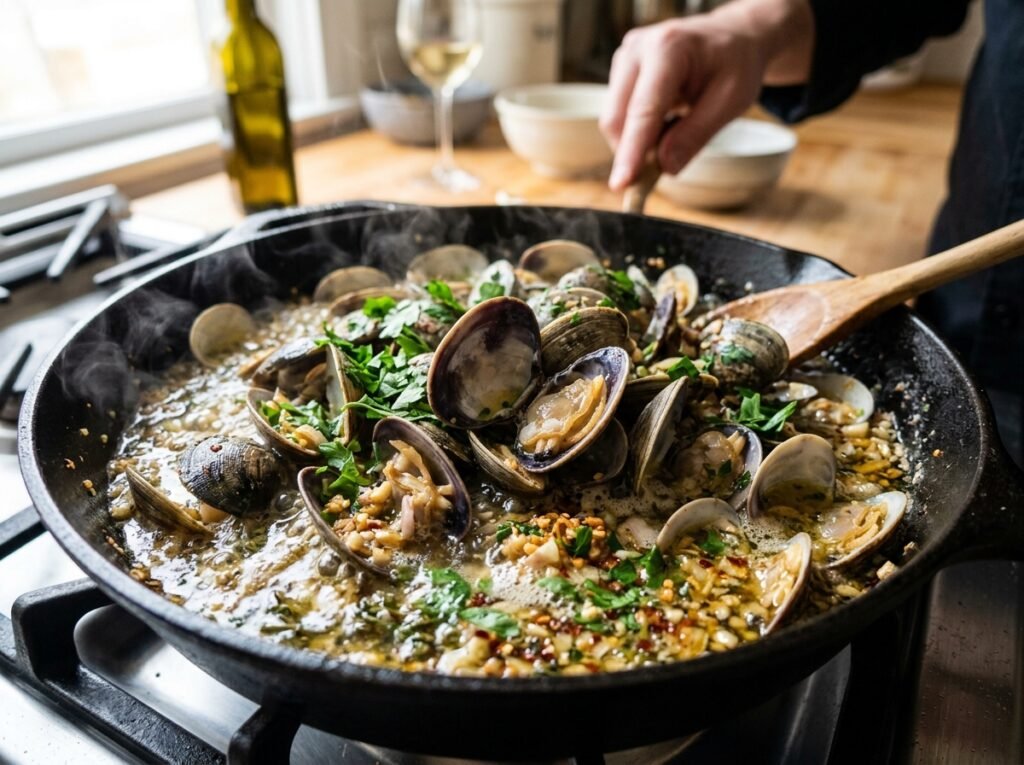
- Gritty/Sandy Pasta: Insufficient clam purging. Fix: Soak/scrub thoroughly next time. Strain broth through cheesecloth if gritty (emergency fix). Prevention > cure.
- Rubbery/Tough Clams: Overcooked. Fix: Remove from heat IMMEDIATELY when opened. Residual heat continues cooking. 3-5 mins max usually sufficient.
- Separated/Greasy Sauce: Insufficient tossing or cold pasta water. Fix: Toss vigorously over heat. Add hot starchy water incrementally. Finish with splash of cold oil off-heat to re-emulsify if needed.
- Bland Flavor: Underseasoned water or insufficient reduction. Fix: Salt pasta water aggressively. Reduce wine/broth slightly before adding pasta. Finish with lemon zest/juice if flat.
- Burnt Garlic: Heat too high or added too early. Fix: Medium-low heat only. Add after tomatoes or to cold oil. Start over if burnt; bitterness permeates entire dish.
Recipe Variations
- Spicy Arrabbiata Style: Double red pepper flakes. Add Calabrian chili paste with garlic. Intense heat contrasts briny clams beautifully.
- Vegan Adaptation: Omit clams. Use king oyster mushrooms (scalloped) + nori/kelp powder for oceanic flavor. Vegetable broth replaces clam liquor. Equally satisfying plant-based option.
- Creamy Bianco Version: Omit tomatoes/chili. Add 2 tbsp heavy cream or mascarpone at end. Richer, milder profile. Classic Roman style vs. Neapolitan rosso.
- Mixed Seafood Upgrade: Add shrimp/mussels/scallops with clams. Adjust timing: shrimp last 2 mins, mussels with clams. Luxurious surf variation.
- Lemon-Herb Brightener: Add zest/juice of 1 lemon + extra parsley/chives. Cuts richness, adds springtime freshness. Perfect for summer servings.
- Low-Carb/Keto Swap: Replace spaghetti with zucchini noodles or shirataki. Sauté briefly (1-2 mins) to avoid sogginess. Same sauce technique applies.
- Tomato-Heavy Rosso: Add 1/2 cup crushed San Marzano tomatoes with aromatics. Deeper red color, richer sauce. More substantial meal.
What to Serve With This Recipe
- Bread: Crusty sourdough or ciabatta for soaking up precious sauce. Essential for full experience.
- Salads: Simple arugula with shaved parmesan/lemon vinaigrette. Wedge salad with blue cheese. Acidic/fresh contrast balances richness.
- Vegetables: Roasted broccolini with garlic, sautéed spinach, or grilled asparagus. Green veg complements seafood palette.
- Drinks: Crisp white wine (Vermentino/Pinot Grigio), sparkling water with lemon, or light lager. Avoid heavy reds/tannins.
- Desserts: Lemon sorbet, panna cotta, or fresh berries. Light/citrusy finish cleanses palate after savory main.
- Antipasti: Marinated olives, artichoke hearts, or burrata. Extends Mediterranean theme elegantly.
Make Ahead & Meal Prep Tips
- Prep Components Ahead: Clean/purge clams up to 4 hours ahead. Store refrigerated in damp cloth. Chop garlic/parsley/halve tomatoes. Store separately. Assemble/cook day-of for best texture.
- Pasta Par-Cook: Boil pasta 2 mins under al dente. Shock in ice water, toss with oil. Store refrigerated. Finish in sauce 2-3 mins when ready. Saves active cooking time.
- Broth Base Prep: Sauté aromatics, steam clams, strain broth. Refrigerate broth/clams separately up to 24 hours. Reheat gently, add fresh pasta/wine to finish.
- Freezing Not Recommended: Cooked clams become rubbery; emulsion breaks upon thawing. Best enjoyed fresh. Freeze unused wine/broth portions only.
Storage Instructions
- Refrigerator: Store leftovers in airtight container up to 2 days. Separate clams from pasta if possible to maintain texture. Sauce may separate; normal.
- Freezer: NOT RECOMMENDED. Clams turn tough/chewy; pasta becomes mushy; emulsion irreversibly breaks. Enjoy fresh for optimal experience.
- Avoid: Storing hot food sealed (condensation = sogginess). Cool completely first. Don’t store with fresh herb garnish; add post-reheat. Discard if sour/ammonia smell develops.
- Safety: Reheat to 165°F (74°C) internal temp before consuming. Never refreeze thawed seafood. Label containers with date.
Reheating Instructions
- Stovetop (Best): Medium-low heat in skillet with splash of water/wine. Cover 2-3 mins to steam, uncover to reduce/toss. Restores emulsion closest to fresh. Gentle heat prevents rubbery clams.
- Microwave (Last Resort): Medium power 1-min intervals, stirring between. Adds splash of water. Expect softer texture/separated sauce. Only if speed > quality. Cover loosely.
- Oven/Air Fryer: NOT RECOMMENDED. Dry heat destroys emulsion, overcooks clams. Stovetop only for proper reheating.
- Note: Reheated dish won’t match fresh vibrancy. Accept slight textural changes. Always check internal temp reaches 165°F. Refresh with pinch of salt/herbs/lemon post-reheat.
Nutritional Information
Per serving (approximate):
- Calories: 480
- Protein: 22g
- Carbohydrates: 58g
- Fat: 16g
- Fiber: 3g
- Sugar: 4g
- Sodium: 680mg
Note: Values vary based on pasta portion, oil amount, and clam size. High sodium from clams/broth; balance with low-sodium sides. Healthy fats from EVOO.
Troubleshooting Guide
| Problem | Cause | Solution |
|---|---|---|
| Gritty/sandy pasta | Insufficient purging | Soak/scrub clams thoroughly. Strain broth through cheesecloth. Prevention critical. |
| Rubbery clams | Overcooked | Remove immediately when opened. Residual heat continues cooking. 3-5 mins max. |
| Separated/greasy sauce | Insufficient tossing/cold water | Toss vigorously over heat. Add hot starchy water. Finish with cold oil off-heat. |
| Bland flavor | Underseasoned/no reduction | Salt pasta water aggressively. Reduce wine/broth. Finish with lemon/zest. |
| Burnt garlic | High heat/early addition | Medium-low heat. Add after tomatoes or to cold oil. Start over if burnt. |
| Mushy pasta | Overcooked before saucing | Undercook pasta 1-2 mins. Finish in sauce. Reserve starchy water. |
Frequently Asked Questions
1. Can I use canned clams? Not recommended for authentic Spaghetti alle Vongole. Canned clams lack texture/flavor of fresh. Their liquid is overly salty/metallic. If unavoidable, rinse well, use sparingly, and supplement with clam juice/broth. Fresh is always superior.
2. Why did my clams not open? They were likely dead before cooking. Dead clams pose food safety risks (bacteria/toxins). DISCARD unopened clams after steaming. Never force them open. Proper purging/fresh sourcing minimizes this issue.
3. Can I make this without wine? Yes. Substitute with clam broth + 1 tbsp lemon juice/vinegar. Alcohol evaporates during cooking, leaving acidity/flavor. Non-alcoholic version still delicious; adjust seasoning to compensate for lost wine complexity.
4. How do I prevent sauce from separating? Emulsification requires three elements: starch (pasta water), fat (oil), and mechanical energy (tossing). Ensure all three present. Add hot starchy water incrementally while tossing vigorously. Finish off-heat with cold oil splash if needed.
5. Can I use other pasta shapes? Traditionally no; long strands (spaghetti/linguine) are essential for coating/lightness. Short shapes (penne/rigatoni) hold too much sauce, overwhelming delicate clams. If using short pasta, reduce sauce quantity significantly.
6. Why is my dish too salty? Clams are naturally salty + salted pasta water + reduced broth = sodium overload. Next time: reduce pasta water salt. Rinse clams well. Don’t add extra salt until tasting at end. Balance with lemon/tomatoes.
7. Can I freeze leftover clams? No. Cooked clams become tough/chewy upon freezing/thawing. Texture ruined. Freeze unused wine/broth portions only. Cooked pasta/clams best consumed fresh or within 2 days refrigerated.
8. How do I know when pasta is al dente? Bite test: tender exterior, slight resistance/firm core. No chalky/raw center. Package times are guides; taste 1-2 mins early. Remember: pasta continues cooking in sauce. Better slightly underdone than overdone.
Final Thoughts
Mastering Spaghetti alle Vongole is more than learning a recipe—it’s embracing the Italian philosophy of respecting ingredients and technique. The rhythm of purging clams, timing pasta perfectly, and tossing vigorously to create that silky emulsion connects you to generations of coastal cooks who understood that simplicity, executed flawlessly, yields transcendence. This dish rewards patience and attention, offering a taste of the Mediterranean that lingers long after the last bite. We encourage you to seek out the freshest clams your market offers, invest in good olive oil, and practice the toss until it becomes second nature. Share your creations, ask questions, and rate the recipe below—your feedback inspires our community and helps fellow home cooks discover the joy of authentic Italian seafood pasta. Buon appetito!