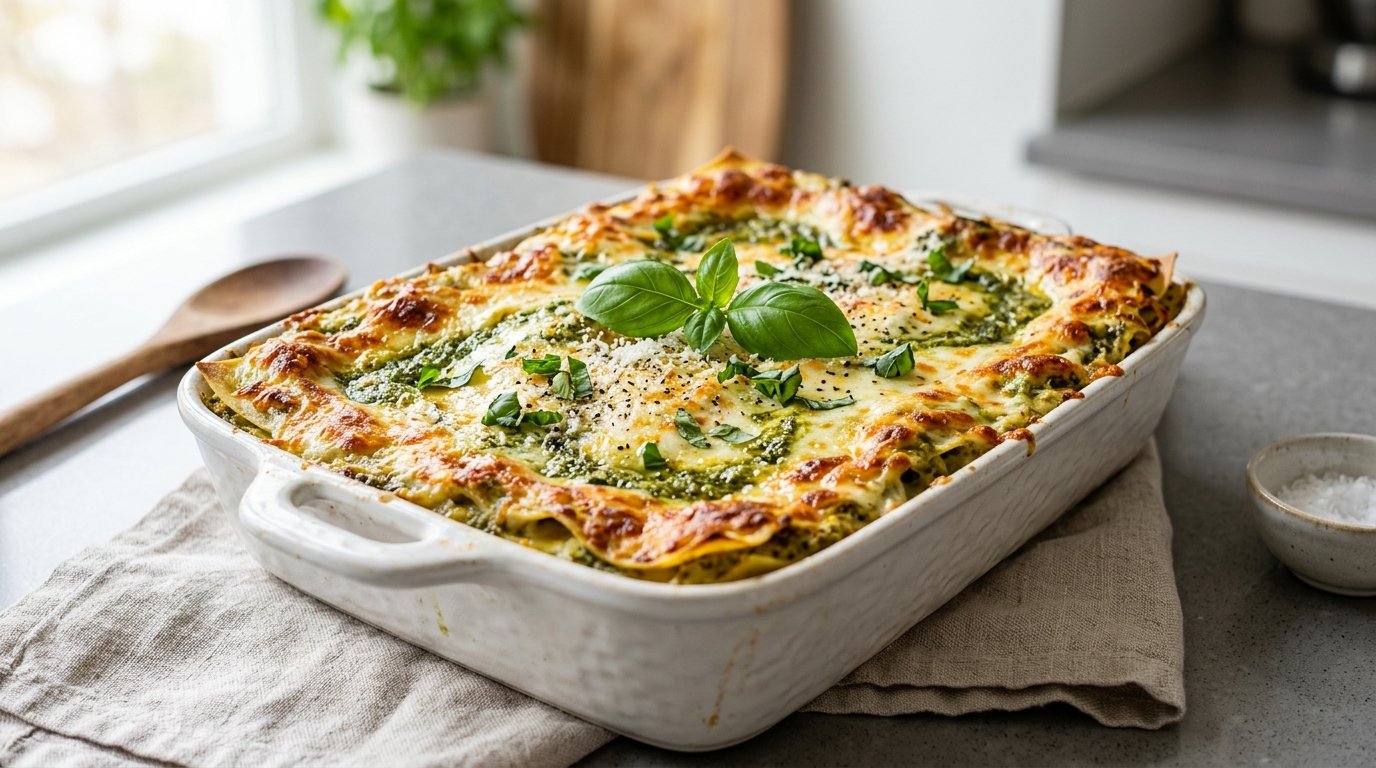
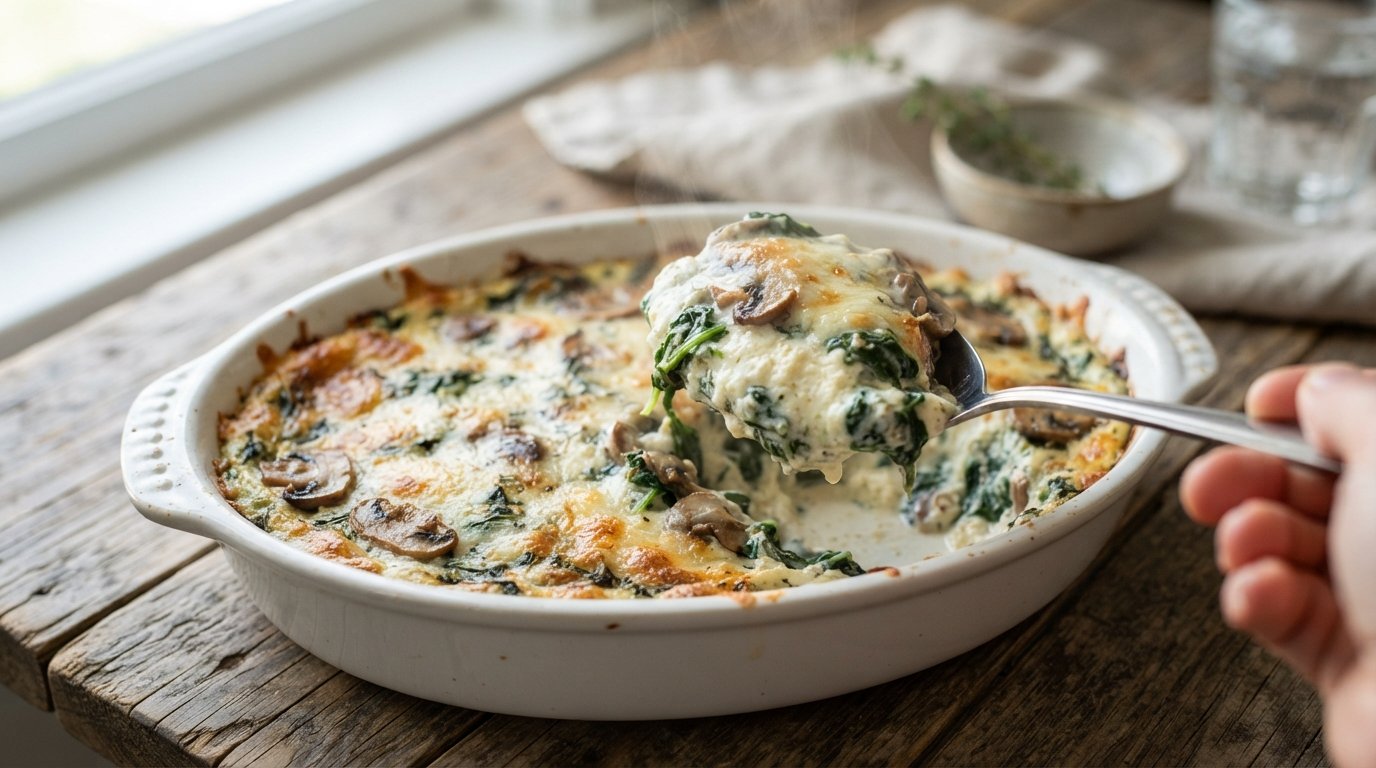
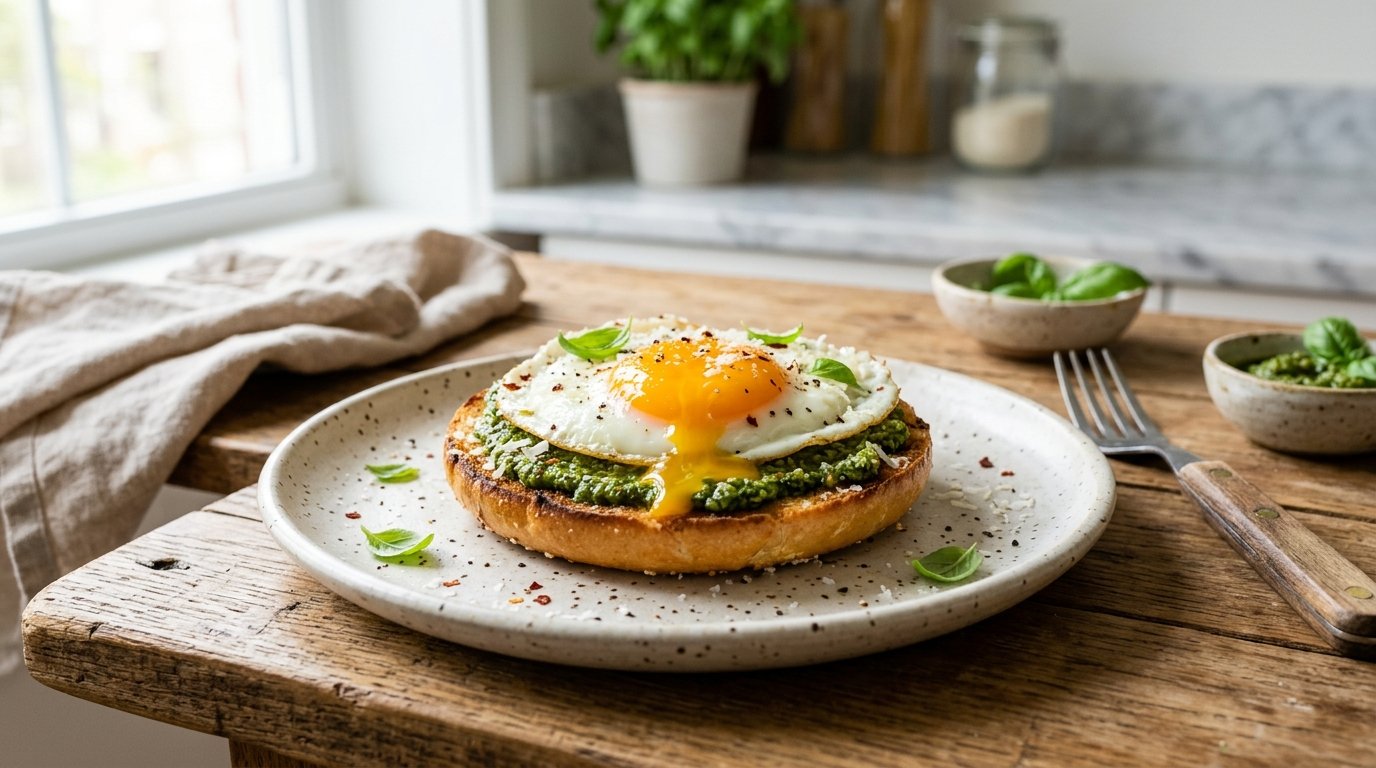
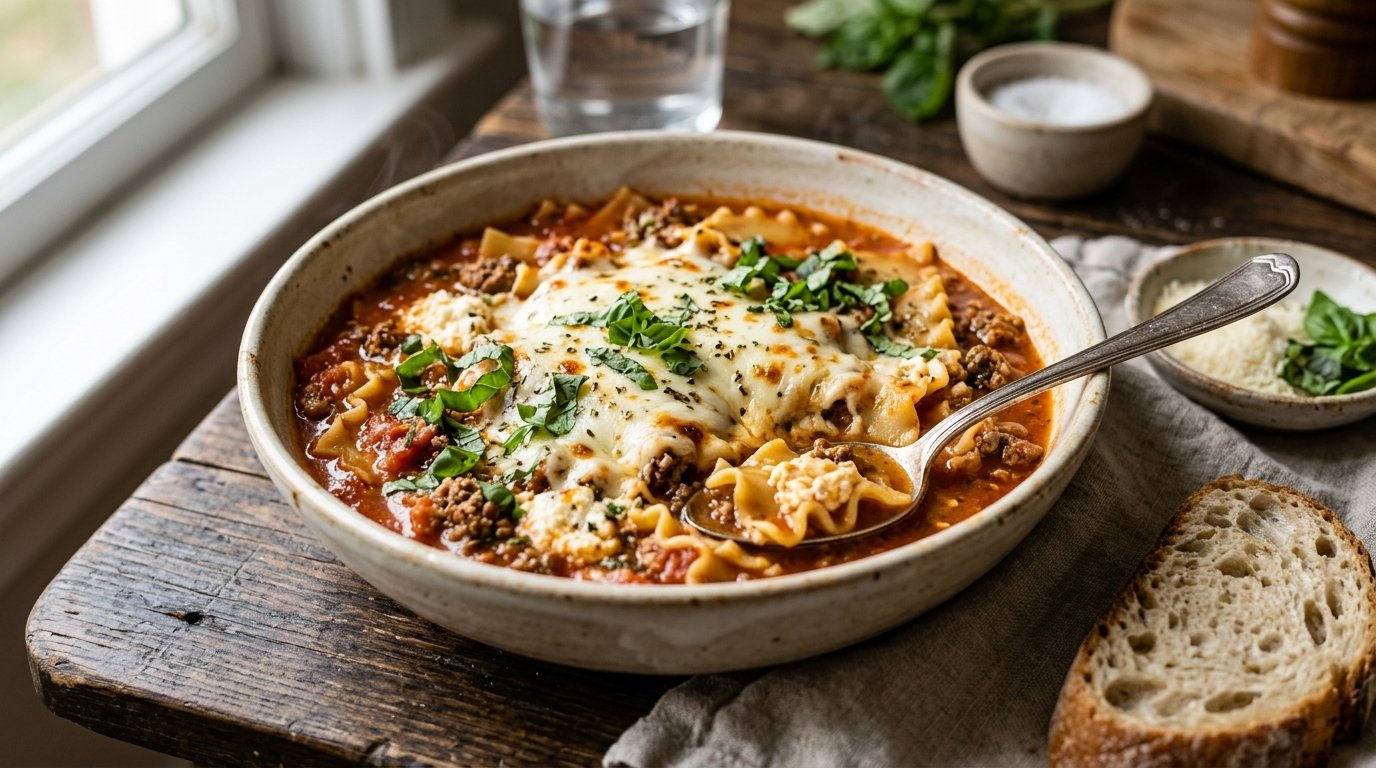
This recipe relies on the synergy between homemade white pesto and a luscious ricotta mixture to create layers of flavor that are both complex and harmonious. Unlike heavy meat-based versions, this vegetarian masterpiece highlights the quality of its components: nutty pine nuts, fragrant basil, and premium cheeses. The result is a lasagna with a golden, bubbly top and distinct, defined layers that hold together beautifully when sliced. Served warm with a simple side salad, it delivers restaurant-quality comfort food right at your dining table.
If you have ever felt that traditional lasagna was too heavy or one-note, this White Pesto Lasagna will completely change your perspective on layered pasta dishes. The video demonstration captures the mesmerizing moment when a slice is lifted, revealing distinct strata of emerald-green pesto, cloud-like ricotta, and molten mozzarella stretching in perfect unison. This isn’t just a variation; it’s an elevation of the classic form, proving that omitting tomato sauce doesn’t mean omitting flavor. Instead, it opens the door to a brighter, more nuanced profile where fresh herbs and high-quality dairy take center stage.
The secret to this dish lies in the preparation of the white pesto itself. Unlike store-bought versions that can be oily or bitter, making it fresh in a mortar and pestle releases essential oils from the basil without generating heat that turns it brown. Combined with toasted pine nuts and sharp Parmigiano-Reggiano, this pesto becomes the soul of the lasagna. When layered with a seasoned ricotta filling and baked until golden, the flavors meld into something greater than the sum of their parts. Whether you’re hosting a special occasion or simply treating yourself to a gourmet weeknight dinner, this recipe delivers consistent, impressive results.
Why This Recipe Works
From a culinary science perspective, this lasagna succeeds because of fat distribution and moisture management. Traditional red lasagnas rely on acidic tomato sauce to cut through richness, but here we use the herbaceous acidity of fresh basil and the tang of ricotta to achieve balance. The white pesto acts as both a flavor agent and a moisture barrier; its oil content coats the pasta sheets, preventing them from becoming gummy while infusing them with aromatic compounds during baking.
Furthermore, the layering technique is crucial for structural integrity. Alternating thin layers of ricotta mixture with generous swirls of pesto creates distinct pockets of flavor rather than a homogenous mush. The ricotta, bound with egg and cheese, sets during baking to provide stability, while the mozzarella on top creates a protective crust that locks in steam. This steam gently cooks the pasta (if using no-boil noodles) or finishes al dente noodles to perfection. The result is a lasagna that slices cleanly, holds its shape, and offers a textural journey from crispy top to creamy center in every bite.
Why You’ll Love This Recipe
Vibrant Flavor Profile: Fresh basil pesto provides a bright, herbal contrast to rich cheeses that red sauce simply can’t match.
Stunning Presentation: The visible green layers make for a beautiful cross-section that impresses guests instantly.
Vegetarian Elegance: A hearty, satisfying main course that doesn’t rely on meat substitutes or heavy proteins.
Customizable Texture: Control the creaminess by adjusting ricotta ratios or the crispness by varying bake time.
Make-Ahead Friendly: Assembles beautifully in advance, allowing flavors to meld and reducing day-of stress.
Leftover Magic: Tastes even better the next day as pesto permeates the pasta and cheeses firm up for cleaner slicing.
Ingredient Notes
Fresh Basil Leaves
Purpose: Primary aromatic component of pesto. Provides signature peppery-sweet flavor and vibrant color.
Substitutions: None for authentic pesto. For garnish only: microgreens or arugula (different flavor profile).
Buying Tips: Choose small-leaf Genovese basil if possible; higher essential oil content than large-leaf varieties. Look for perky, unbruised leaves with no black spots. Smell should be intense and sweet.
Storage Tips: Treat like flowers: trim stems, place in glass of water at room temperature, cover loosely with bag. Never refrigerate; cold damages cell structure causing rapid blackening. Use within 3-4 days.
Pine Nuts (Pignoli)
Purpose: Provides creamy texture, richness, and nutty backbone to pesto. Emulsifies with oil.
Buying Tips: Buy raw, unsalted nuts. Toast lightly in dry pan before use to enhance flavor and remove raw bitterness. Check for rancidity; pine nuts have high oil content and spoil quickly.
Storage Tips: Store in airtight container in freezer up to 6 months. Room temp storage leads to rancidity within weeks. Always toast just before use for maximum aroma.
Extra Virgin Olive Oil
Purpose: Liquid gold that binds pesto, adds fruitiness, and carries fat-soluble flavors. Essential for emulsion.
Substitutions: High-quality avocado oil (milder) if EVOO is too strong. Avoid “light” or refined oils; they lack flavor complexity.
Buying Tips: Dark glass bottle protects from light degradation. Harvest date within 18 months. Taste should be grassy, peppery, not rancid. Cold-pressed preferred.
Storage Tips: Store cool, dark place. Never refrigerate (clouds/solidifies). Use within 6 months of opening. Rancid oil ruins delicate dishes.
Ricotta Cheese (Whole Milk)
Purpose: Creamy layer base. Provides moisture, protein structure, and mild tang.
Substitutions: Cottage cheese (drained/blended for smoother texture), mascarpone (richer, less tangy), or béchamel sauce (classic French alternative).
Buying Tips: Buy whole milk ricotta packed in tubs, not cans. Check expiration; fresher is better. Should smell milky/sweet, not sour. Drain excess whey if very wet.
Storage Tips: Keep refrigerated up to 5 days after opening. Stir well before use; separation is normal. Do not freeze (texture becomes grainy).
Mozzarella Cheese (Low-Moisture, Part-Skim)
Purpose: Melty topping and internal layers. Provides stretch, browning, and mild saltiness.
Buying Tips: Low-moisture part-skim melts best without releasing excessive oil. Pre-shredded contains anti-caking agents that inhibit melting; grate your own block cheese for superior results.
Storage Tips: Keep refrigerated. If grating your own, freeze grated cheese for 10 minutes before assembling to make handling easier and prevent clumping.
Lasagna Noodles (No-Boil or Regular)
Purpose: Structural foundation. Absorbs sauce and provides chew.
Substitutions: Fresh pasta sheets (cook faster, more delicate), gluten-free noodles (adjust liquid), or zucchini slices (low-carb).
Buying Tips: No-boil noodles save time but require adequate moisture in assembly. Regular noodles offer superior texture but need pre-cooking. Check package for size compatibility with your dish.
Storage Tips: Store in cool, dry place. Fresh pasta keeps refrigerated 2-3 days or frozen 1 month. Dry noodles last indefinitely.
Kitchen Equipment
Mortar & Pestle (Marble/Granite): Essential for authentic pesto texture/color. Marble’s weight and cool surface aid grinding without heating.
9×13 Inch Baking Dish: Ceramic or glass preferred for even heat distribution. Metal pans work but may cook edges faster.
Large Pot: For boiling regular noodles (if not using no-boil). 6-8 quart capacity prevents sticking.
Mixing Bowls: Medium bowl for ricotta mixture, small bowl for pesto. Glass/ceramic non-reactive.
Offset Spatula: For spreading ricotta/pesto evenly without tearing noodles. Crucial for neat layers.
Aluminum Foil: For covering during initial bake to prevent burning. Heavy-duty preferred.
Sharp Knife & Cutting Board: For portioning cooked lasagna cleanly. Let rest 15 mins before cutting.
Measuring Cups/Spoons: For consistent ratios. Precision matters in balancing salty cheese with mild pasta.
Preparation Information
Prep Time: 45 Minutes
Cook Time: 40-45 Minutes
Total Time: 1 Hour 30 Minutes (+ 15 min rest)
Servings: 8-10
Step-by-Step Instructions
H3: Make Fresh White Pesto
Wash and THOROUGHLY dry basil leaves (moisture = gray pesto). In marble mortar, combine toasted pine nuts, garlic clove, pinch of coarse salt. Grind with pestle using circular motion until paste forms. Add basil leaves gradually, pounding/grinding to release oils. Drizzle in olive oil slowly while continuing to grind until emulsified. Stir in grated Parmigiano-Reggiano.
Why it matters: Dry leaves prevent oxidation. Salt aids grinding by breaking down fibers. Circular motion preserves chlorophyll. Slow oil addition creates stable emulsion. Parmesan adds umami/salt balance.
Visual Cue: Vibrant emerald green, not brown/black. Texture coarse-chunky, not smooth puree. Oil glistens on surface.
Common Mistake: Over-processing = heat generation = black pesto. Work patiently. If too thick, add oil tsp by tsp. Too thin = add more nuts/basil.
Pro Tip: Chill mortar/pestle 10 mins before use. Cold stone slows oxidation. Make pesto last to preserve color/flavor.
H3: Prepare Ricotta Mixture
In medium bowl, combine ricotta, 1 egg, 1/2 cup grated Parmesan, salt, pepper, and pinch of nutmeg. Mix until smooth and uniform. Taste and adjust seasoning; ricotta should be flavorful on its own.
Why it matters: Egg binds ricotta, preventing watery layers. Parmesan adds depth/salt. Nutmeg enhances dairy flavor subtly. Seasoning now ensures every layer is tasty, not bland.
Visual Cue: Smooth, creamy consistency. No lumps or separation. Pale ivory color with specks of pepper/nutmeg.
Texture Cue: Spreadable but holds shape. Not runny or grainy.
Mistake to Avoid: Using cold ricotta straight from fridge. Bring to room temp 15 mins before mixing; cold cheese doesn’t blend smoothly and can shock eggs.
H3: Layer It Up!
Spread thin layer of ricotta mixture on bottom of baking dish (prevents sticking). Place single layer of noodles over ricotta. Spread 1/3 remaining ricotta evenly. Dollop/spiral 1/3 pesto over ricotta. Sprinkle 1/3 mozzarella. Repeat layers 2 more times. Top final layer with remaining ricotta, pesto, and generous mozzarella.
Why it matters: Bottom ricotta layer acts as glue. Even spreading prevents dry spots. Swirling pesto creates marbled effect vs. solid green layer. Top mozzarella ensures golden crust.
Visual Cue: Distinct layers visible from side. Pesto swirled artfully, not pooled. Top cheese covers edges completely.
Texture Cue: Layers feel substantial but not compressed. Noodles lie flat, not curled.
Tip: If using regular noodles, boil al dente first, drain, toss with oil to prevent sticking. No-boil noodles need extra sauce/moisture; ensure ricotta/pesto coverage is generous.
H3: Bake Until Golden
Cover tightly with foil (tent slightly to prevent cheese contact). Bake at 375°F (190°C) for 25 mins. Remove foil. Bake uncovered 15-20 mins until cheese bubbles and tops are golden brown. Rest 15 mins before serving.
Why it matters: Covered baking steams noodles/cooks through without drying. Uncovered phase browns cheese and sets structure. Resting allows layers to firm up for clean slicing; hot lasagna falls apart.
Visual Cue: Cheese bubbly/golden at edges. Pesto visible through melted cheese. Noodles tender when tested with knife.
Doneness Test: Internal temp 165°F (74°C). Knife inserts easily into center. Edges pull away slightly from dish.
Expert Tips
Basil Handling is Everything: Never chop basil with knife for pesto; bruising oxidizes it. Always grind/pound. Wash/dry THOROUGHLY; water is enemy of green pesto. Spin-dryer essential.
Noodle Hydration: No-boil noodles absorb liquid FROM the dish. Ensure ricotta/pesto layers are moist enough. If mixture seems dry, add 2-3 tbsp milk/cream to ricotta. Dry noodles = hard, undercooked lasagna.
Cheese Quality Dictates Success: Pre-shredded cheese contains cellulose anti-caking agents that prevent smooth melting. ALWAYS grate your own mozzarella/Parmesan. The difference in texture/melt is night and day.
Resting is Non-Negotiable: Hot lasagna is structurally unstable. Resting 15-20 mins allows proteins to set and starches to gelatinize fully. Cutting immediately = messy, sliding layers. Patience yields perfect squares.
Pesto Application Technique: Don’t spread pesto flat like butter. Dollop and swirl with offset spatula. This creates pockets of intense flavor and visual marbling. Flat pesto layer can become greasy/separated during bake.
Common Mistakes
Watery/Soupy Lasagna: Wet ricotta or insufficient resting. Fix: Drain ricotta thoroughly. Use low-moisture mozzarella. REST 15+ mins before cutting. Cover loosely with foil if storing leftovers.
Brown/Black Pesto: Oxidized basil from heat/water/knife. Fix: Dry leaves completely. Use mortar/pestle. Chill tools. Add oil slowly. Make last.
Hard/Undercooked Noodles: Insufficient moisture or wrong noodle type. Fix: Use no-boil noodles correctly (ample sauce). Or pre-boil regular noodles al dente. Ensure tight foil seal during covered bake.
Burnt Top/Raw Center: Oven too hot or uncovered too long. Fix: Tent foil properly. Reduce temp to 350°F if browning too fast. Extend covered bake time. Use oven thermometer to verify accuracy.
Bland Flavor: Underseasoned ricotta or poor-quality pesto. Fix: Taste ricotta mixture before assembling. Use fresh, vibrant pesto. Add pinch of salt/pepper between layers if needed.
Recipe Variations
Spicy Arrabbiata Twist: Add 1-2 tbsp Calabrian chili paste to ricotta mixture. Top with chili oil drizzle post-bake. Heat contrasts beautifully with creamy cheese.
Vegan Adaptation: Substitute ricotta with cashew cream (soaked cashews + lemon + nutritional yeast blended). Use vegan mozzarella. Ensure pesto has no Parmesan (use nutritional yeast instead). Equally delicious plant-based option.
Chicken & Spinach Boost: Fold in 2 cups cooked shredded chicken + 1 cup sautéed spinach into ricotta mixture. Adds protein/iron. Hearty omnivore version.
Mushroom & Truffle Umami: Sauté 8 oz mixed mushrooms until golden. Layer with ricotta. Drizzle with truffle oil post-bake. Earthy, luxurious variation.
Low-Carb/Keto Base: Replace noodles with thin zucchini slices (salted/drained) or eggplant rounds. Same filling/topping. Grain-free alternative. Adjust bake time (veg releases more water).
Extra Cheesy Indulgence: Add layer of fontina/provolone between ricotta/pesto. Top with burrata dollops post-bake. Rich, decadent version for special occasions.
Sun-Dried Tomato & Basil Fusion: Chop 1/2 cup oil-packed sun-dried tomatoes. Mix into ricotta. Adds sweet/tangy depth. Beautiful red-green marbling.
What to Serve With This Recipe
Salads: Simple arugula with shaved parmesan/lemon vinaigrette. Caprese salad (tomato/mozzarella/basil) echoes flavors. Wedge salad with blue cheese dressing cuts richness.
Breads: Garlic bread, focaccia, or crusty sourdough for soaking up any extra pesto/cheese. Essential for complete experience.
Vegetables: Roasted broccolini with garlic, sautéed green beans, or grilled asparagus. Green veg complements pesto palette.
Drinks: Crisp white wine (Pinot Grigio/Vermentino), Chianti Classico (red works surprisingly well), sparkling water with citrus, or iced herbal tea.
Desserts: Lemon sorbet, panna cotta, or fresh berries with mascarpone. Light, acidic finish balances rich main.
Antipasti: Marinated olives, artichoke hearts, or roasted peppers. Extends Italian theme elegantly.
Make Ahead & Meal Prep Tips
Assemble Ahead: Build entire lasagna up to 24 hours ahead. Cover tightly, refrigerate. Bake directly from fridge, adding 10-15 mins to covered bake time. Flavors meld beautifully overnight.
Freeze Unbaked: Assemble in freezer-safe dish. Wrap tightly in plastic + foil. Freeze up to 3 months. Thaw overnight in fridge before baking. Add 15-20 mins to bake time.
Component Prep: Make pesto up to 2 days ahead. Store in jar, cover surface with thin oil layer to prevent oxidation. Refrigerate. Ricotta mixture keeps 2 days refrigerated.
Portion Control: Cut cooled lasagna into individual portions. Wrap each in plastic/foil. Freeze. Reheat single servings easily for quick meals.
Storage Instructions
Refrigerator: Store cooled leftovers in airtight container up to 5 days. Separate layers with parchment if stacking. Sauce may separate slightly; normal.
Freezer: Cooked lasagna freezes well up to 3 months. Wrap individual portions or whole dish tightly. Thaw in fridge overnight before reheating. Texture may soften slightly; still delicious.
Avoid: Storing hot lasagna sealed (condensation = sogginess). Cool completely first. Don’t store with fresh basil garnish; add post-reheat. Discard if sour smell/mold develops.
Safety: Reheat to 165°F (74°C) internal temp before consuming. Never refreeze thawed leftovers. Label containers with date.
Reheating Instructions
Oven (Best): 350°F covered with foil 20-25 mins. Uncover last 5-10 mins to crisp top. Restores texture closest to fresh. Add splash of water if dried out.
Air Fryer: 320°F for 8-10 mins. Quick, efficient. Prevents sogginess better than microwave. Spray lightly with oil if dried out. Monitor closely to prevent burning.
Microwave (Last Resort): Medium power 2-min intervals, rotating between. Adds splash of water. Expect softer texture. Only if speed > quality. Cover loosely.
Stovetop: Skillet over low heat with splash of water/broth. Covered 5-8 mins. Gentle reheating preserves integrity. Flip carefully. Not ideal for layered dishes.
Note: Reheated lasagna won’t match fresh vibrancy. Accept slight softening. Always check internal temp reaches 165°F. Refresh with pinch of salt/herbs/post-reheat.
Nutritional Information
Per serving (approximate, based on 10 servings):
Calories: 520
Protein: 24g
Carbohydrates: 38g
Fat: 32g
Fiber: 3g
Sugar: 4g
Sodium: 680mg
Note: Values vary based on cheese brands, noodle type, and portion size. High healthy fat content from EVOO/nuts/cheese. Naturally vegetarian.
Troubleshooting Guide
Problem
Cause
Solution
Watery/soupy lasagna
Wet ricotta / No rest
Drain ricotta. Use low-moisture mozzarella. REST 15+ mins.
Brown/black pesto
Oxidation / Heat / Water
Dry leaves completely. Use mortar/pestle. Chill tools. Make last.
Hard/undercooked noodles
Insufficient moisture
Use no-boil correctly. Pre-boil regular noodles. Ensure tight foil seal.
Taste ricotta pre-assemble. Use fresh pesto. Add salt/pepper between layers.
Greasy/separated pesto
Over-oiled / Poor emulsion
Add oil slowly while grinding. Use chilled tools. Swirl, don’t spread flat.
Frequently Asked Questions
1. Can I use store-bought pesto? You can, but quality varies wildly. Many contain fillers/preservatives/lack freshness. If using, choose premium brand with simple ingredients. Taste first; adjust seasoning. Homemade always superior for this application. Video emphasizes FRESH pesto for reason.
2. Why did my lasagna turn out watery? Ricotta released whey during baking OR insufficient resting time. Next time: drain ricotta thoroughly in cheesecloth 30 mins pre-use. Use low-moisture mozzarella. REST 15-20 mins after baking; this is CRITICAL for setting layers.
3. Can I make this vegan? Absolutely! Substitute ricotta with cashew cream (soaked cashews + lemon + nutritional yeast blended). Use vegan mozzarella. Ensure pesto has no Parmesan (use nutritional yeast instead). Equally delicious plant-based option.
4. How do I prevent noodles from being hard/chewy? Ensure adequate moisture. No-boil noodles need generous sauce/ricotta coverage. If mixture seems dry, add 2-3 tbsp milk/cream. For regular noodles, boil al dente first. Tight foil seal during covered bake traps steam for cooking.
5. Can I freeze assembled unbaked lasagna? Yes! Assemble in freezer-safe dish. Wrap tightly in plastic + foil. Freeze up to 3 months. Thaw overnight in fridge before baking. Add 15-20 mins to covered bake time. Great for meal prep.
6. Why is my pesto bitter? Old basil, burnt nuts, or rancid oil. Use FRESH basil only. Toast nuts lightly (don’t burn). Use fresh EVOO. If already bitter, balance with pinch of sugar/lemon zest. Prevention is key; bitter pesto can’t be fully fixed.
7. Can I use different cheeses? Yes! Fontina (nuttier melt), Provolone (sharper), or Gouda (smoky) work well. Avoid very wet cheeses like fresh mozzarella unless drained thoroughly. Balance salty cheeses (Parmesan/feta) with milder ones (mozzarella/ricotta).
8. How do I get clean slices? REST 15-20 mins after baking. This allows layers to set. Use sharp knife dipped in hot water between cuts. Wipe blade clean each time. Patience yields perfect squares; rushing creates mess.
Final Thoughts
Creating White Pesto Lasagna is a celebration of simplicity done right. It reminds us that exceptional meals don’t require elaborate techniques or endless ingredients—just quality produce, thoughtful seasoning, and respect for the cooking process. The ritual of grinding fresh basil, layering with care, and waiting for that perfect golden crust connects us to centuries of Italian culinary tradition while fitting seamlessly into modern kitchens. Whether you’re feeding a family, meal prepping for the week, or simply treating yourself to a nourishing dinner, this dish delivers joy in every bite. We encourage you to experiment with variations, share your creations, and join our community of home cooks who celebrate wholesome, flavorful eating. Tag us, leave comments, rate the recipe—your feedback inspires others to try this gem. Now grab that mortar and pestle and start grinding; your taste buds (and schedule) will thank you!