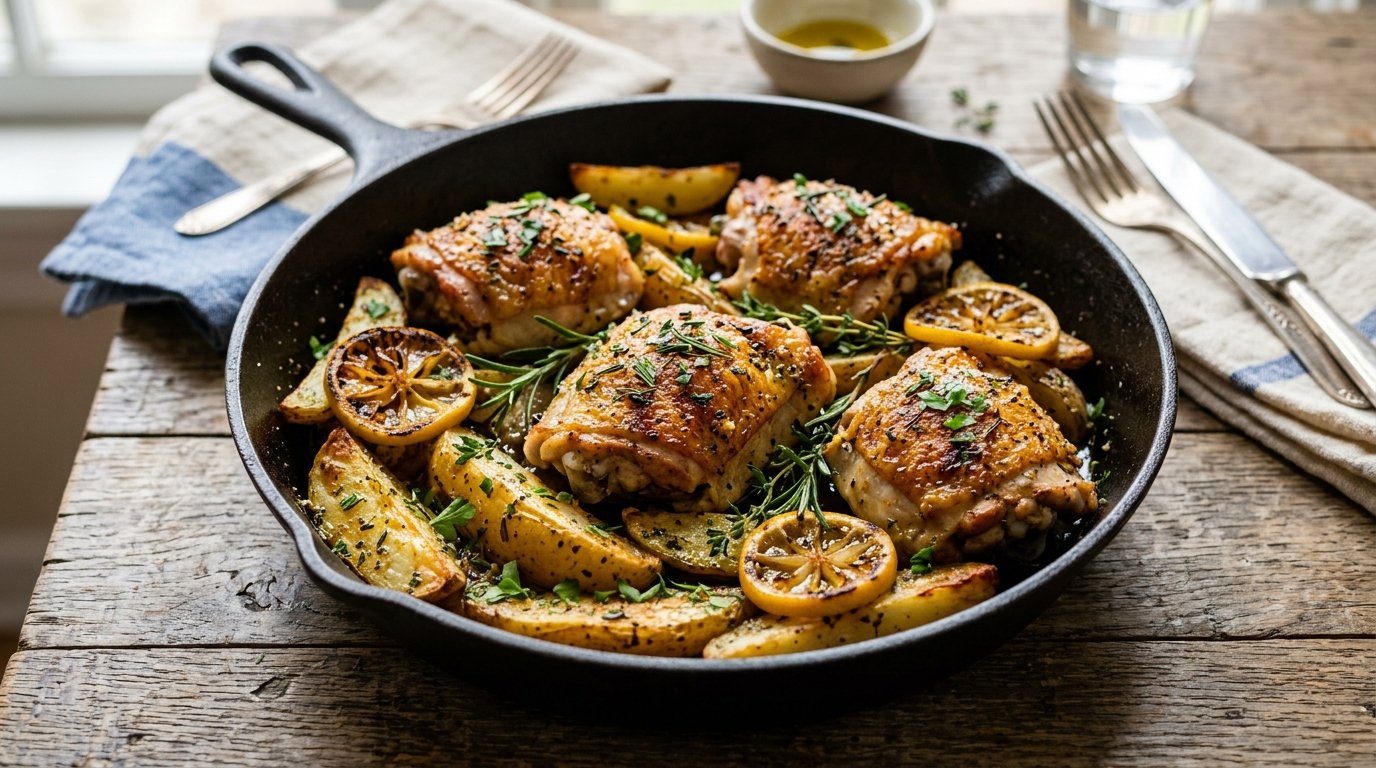
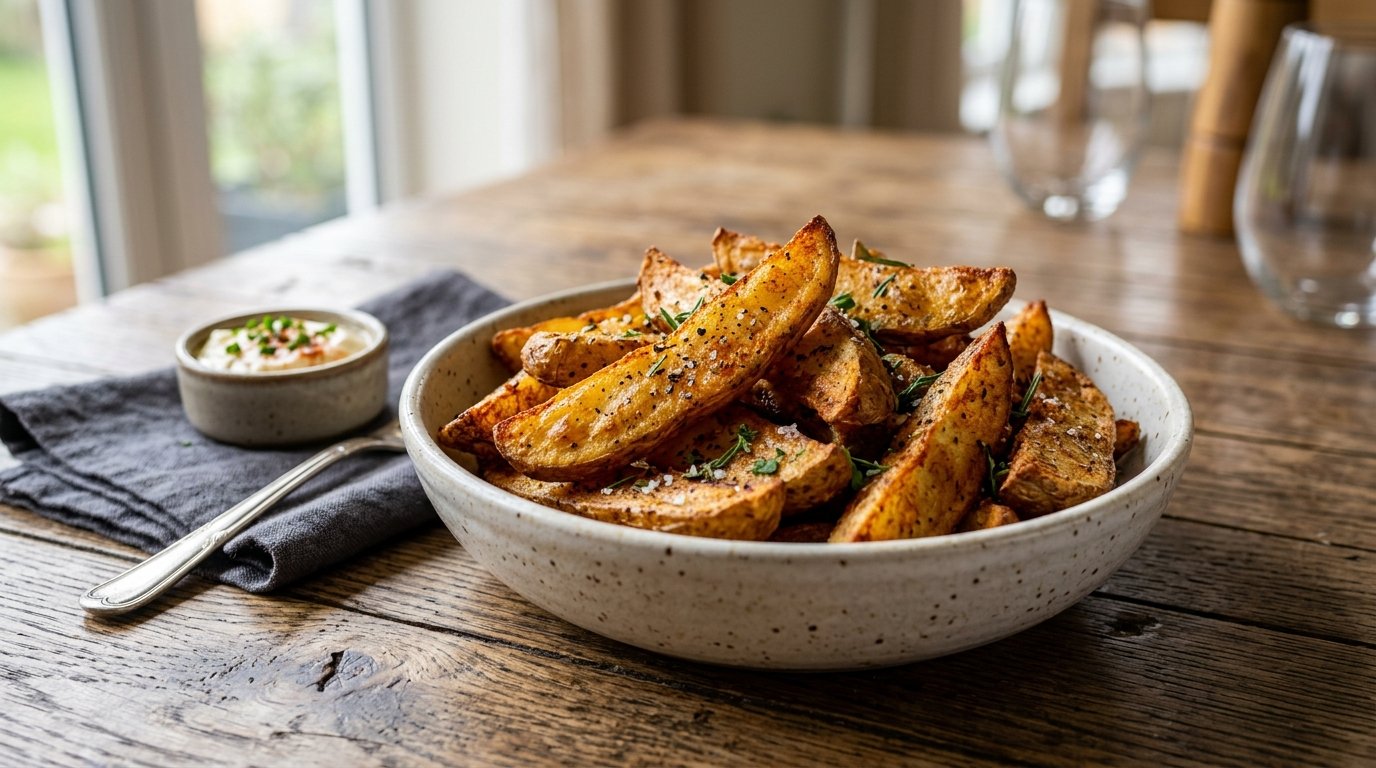
There is a specific kind of magic that happens when you pull a golden, steaming potato wedge from hot oil. The exterior shatters with an audible crunch, giving way to a fluffy, cloud-like interior that melts on your tongue. While drive-thru fries have their place, nothing compares to the satisfaction of making Crispy Homemade Potato Wedges in your own kitchen. This recipe isn’t just about cutting potatoes; it’s a masterclass in texture and technique. By using a simple apple corer for uniform sizing and mastering the art of deep frying, you can achieve restaurant-quality results that are infinitely superior to frozen alternatives. Whether you are hosting a summer barbecue, planning a movie night, or simply craving the ultimate comfort food, these wedges deliver a level of crispiness and flavor that will make you rethink everything you thought you knew about french fries.
Quick Recipe Summary
| Feature | Details |
|---|---|
| Prep Time | 15 minutes |
| Cook Time | 10-12 minutes |
| Total Time | 25-30 minutes |
| Servings | 4 people (as a side) |
| Cuisine | American / Comfort Food |
| Course | Side Dish / Snack / Appetizer |
| Difficulty | Easy |
| Calories | Approx. 280 per serving |
Table of Contents
- Why This Recipe Works
- Why You’ll Love This Recipe
- Ingredient Notes
- Kitchen Equipment
- Step-by-Step Instructions
- Expert Tips for Maximum Crispiness
- Common Mistakes to Avoid
- Recipe Variations
- What to Serve With Potato Wedges
- Make Ahead & Meal Prep Tips
- Storage & Reheating Instructions
- Nutritional Information
- Troubleshooting Guide
- Frequently Asked Questions
- Final Thoughts
Why This Recipe Works
The secret to exceptional Crispy Homemade Potato Wedges lies in three scientific principles: surface area, starch management, and thermal shock. First, the wedge shape provides an optimal ratio of skin-to-flesh. The skin acts as a natural barrier that helps maintain structural integrity while crisping up beautifully, while the thicker center ensures the inside remains moist and fluffy rather than drying out like thin shoestring fries. Second, using starchy potatoes like Russets is non-negotiable. Their high amylose content creates a dry, mealy texture when cooked, which translates to fluffiness. Waxy potatoes, conversely, hold too much moisture and result in gummy fries. Finally, the high heat of the oil (350°F-375°F) creates an immediate crust through the Maillard reaction and rapid dehydration of the surface. This seal prevents oil from penetrating deeply, ensuring the wedge is crispy, not greasy. The use of an apple corer, as demonstrated in this method, guarantees uniform thickness, which is critical for even cooking—no more burnt edges and raw centers.
Why You’ll Love This Recipe

- Unbeatable Texture: Achieves the holy grail of fry textures: shatteringly crisp outside, pillowy soft inside.
- Uniform Cooking: The apple corer hack ensures every wedge is identical, eliminating guesswork and uneven batches.
- Skin-On Flavor: Leaving the skin on adds earthy depth, extra fiber, and nutrients that peeled fries lack.
- Cost-Effective: Whole potatoes are significantly cheaper than pre-cut frozen bags, with far superior taste.
- Customizable Seasoning: Freshly fried wedges act as a blank canvas for any spice blend, from classic salt to spicy cajun.
- Quick Turnaround: From whole potato to plate in under 30 minutes, faster than delivery.
Ingredient Notes
Success starts at the grocery store. Here is what you need to know about the components of Crispy Homemade Potato Wedges.
Russet Potatoes
- Purpose: The foundation. High starch content is essential for fluffiness.
- Buying Tips: Choose large, firm potatoes with smooth skin. Avoid any with green spots (solanine toxin), sprouts, or soft eyes. Larger potatoes yield longer, more substantial wedges.
- Substitutions: Yukon Golds can work for a creamier, waxier interior, but they won’t get as crispy. Red potatoes are generally too waxy for deep frying.
- Storage Tips: Store in a cool, dark, well-ventilated place (not the fridge). Refrigeration converts starch to sugar, leading to dark, overly sweet fries that burn easily.
Neutral Frying Oil
- Purpose: Heat transfer medium. Must have a high smoke point.
- Buying Tips: Peanut oil, vegetable oil, canola oil, or grapeseed oil are ideal. They remain stable at 375°F without breaking down or imparting strong flavors.
- Substitutions: Avocado oil (very high smoke point, premium price). Avoid olive oil (low smoke point, strong flavor) or butter (burns instantly).
- Storage Tips: Store in a cool, dark cupboard. Used oil can be strained and reused 2-3 times if stored properly in an airtight container in the fridge.
Salt (Kosher or Sea Salt)
- Purpose: Seasoning and flavor enhancement.
- Buying Tips: Kosher salt is preferred for its larger flakes and cleaner taste. Table salt is finer and saltier by volume; adjust accordingly.
- Substitutions: Flaky sea salt for a gourmet finish. Garlic salt or onion powder for added dimension.
- Timing Tip: Always salt immediately after removing from oil. The residual surface moisture and oil help the salt adhere. Salting later results in seasoning falling off.
Kitchen Equipment
Having the right tools makes the process safer and more efficient.
- Apple Corer/Slicer: The star tool for this recipe. Creates uniform wedges instantly. Ensure it’s sharp enough to cut through raw potato without excessive force.
- Heavy-Bottomed Pot or Dutch Oven: Essential for maintaining consistent oil temperature. Thin pots lose heat rapidly when cold potatoes are added, leading to soggy fries.
- Deep-Fry Thermometer: Non-negotiable for safety and quality. Guessing oil temperature leads to disaster.
- Spider Strainer or Slotted Spoon: For safely lowering and retrieving wedges from hot oil.
- Wire Cooling Rack: Superior to paper towels. Allows air circulation underneath, preventing steam from softening the bottom crust.
- Sharp Chef’s Knife: For trimming ends before coring.
- Cutting Board: Stable surface for prep.
- Paper Towels: For initial blotting of excess oil before transferring to rack.
Step-by-Step Instructions
Follow these precise steps to create perfect Crispy Homemade Potato Wedges every time.
H3: Prepping and Cutting the Potatoes

- Wash and Trim: Scrub potatoes thoroughly under cold water to remove dirt. Pat completely dry. Using a sharp chef’s knife, slice off a thin disc from both ends of each potato to create flat, stable surfaces.
- Why it matters: Flat ends prevent the potato from rolling during coring, reducing injury risk. Dry skin ensures better oil contact and crispiness.
- Visual Cue: Skin should be clean, matte, and free of debris. Ends should be cut cleanly, not jagged.
- Core into Wedges: Place the trimmed potato upright on your cutting board. Center the apple corer over the top. Press down firmly and evenly with both hands, rocking slightly if needed, until the corer passes completely through. Lift the corer and push the wedges out. Repeat with remaining potatoes.
- Why it matters: Uniform size = uniform cook time. The corer creates 8-12 identical wedges per potato, maximizing efficiency.
- Texture Cue: Wedges should feel firm and smooth. Ragged edges indicate a dull corer or uneven pressure.
- Safety Tip: Never hold the potato in your hand while coring. Always use the board. Keep fingers clear of the blade path.
- Optional Soak (Pro Tip): If you have time, soak cut wedges in cold water for 30 minutes, then drain and pat extremely dry.
- Why it matters: Removes excess surface starch, preventing sticking and promoting crispiness. Skipping this step still yields good results, but soaking elevates them to elite status.
- Critical: Wet potatoes + hot oil = dangerous splattering. Drying is mandatory if soaking.
H3: Frying to Golden Perfection
- Heat the Oil: Fill your pot with 2-3 inches of oil. Attach thermometer. Heat over medium-high to 375°F (190°C). Do not exceed 400°F (smoke point risk) or drop below 350°F (sogginess risk).
- Why it matters: Precise temperature control is the difference between crispy and greasy. Too cool = oil absorption. Too hot = burnt exterior, raw interior.
- Aroma Cue: Oil should be odorless. Any acrid smell means it’s degrading; discard and start fresh.
- Fry in Batches: Carefully lower 6-8 wedges into oil using spider strainer. Do not overcrowd. Fry for 4-6 minutes, stirring gently occasionally, until deep golden brown.
- Why it matters: Overcrowding drops oil temp drastically. Small batches maintain heat for proper crust formation.
- Visual Cue: Bubbles should be vigorous and steady around wedges. Lazy bubbles = oil too cool. Violent splattering = moisture present.
- Color Cue: Target amber-gold, not pale yellow (undercooked) or dark brown (burnt/bitter).
- Drain and Season: Remove wedges with spider strainer. Shake gently to remove excess oil. Transfer immediately to wire rack set over baking sheet. Sprinkle generously with kosher salt while still hot.
- Why rack over paper towels? Paper traps steam against the bottom, creating sogginess. Rack allows airflow for all-around crispness.
- Timing: Season within 10 seconds of removal. Adhesion window closes fast as surface dries.
- Serve Immediately: Transfer to warm plates. Serve alongside ketchup, aioli, or preferred dipping sauce.
- Texture Window: Peak crispiness lasts 5-7 minutes post-fry. Delayed serving compromises texture irreversibly.
Expert Tips for Maximum Crispiness
- Double Fry Method (Advanced): For next-level crunch, fry at 325°F for 3 mins (cook through), drain/cool 5 mins, then fry again at 375°F for 2 mins (crisp exterior). This mimics Belgian frite technique.
- Oil Depth Matters: Use enough oil to fully submerge wedges without touching pot bottom. Shallow frying creates uneven browning and requires constant flipping.
- Salt Strategically: Toss wedges in a bowl with salt and optional spices before plating. Ensures even distribution vs. sprinkling from above.
- Keep Warm Correctly: If cooking multiple batches, hold finished wedges in 200°F oven on wire rack. Never stack or cover—they’ll steam and soften.
- Test One Wedge First: Before committing a full batch, fry one wedge to verify oil temp and timing. Adjust as needed. Potatoes vary in moisture/starch.
- Use Fresh Oil for Best Results: Old oil polymerizes, creating sticky coatings and off-flavors. When in doubt, change it.
Common Mistakes to Avoid
- Soggy, Greasy Wedges:
- Cause: Oil temperature too low (<350°F) or overcrowded pot.
- Fix: Use thermometer. Fry small batches. Allow oil to recover temp between batches.
- Burnt Outside, Raw Inside:
- Cause: Oil too hot (>400°F) or wedges cut too thick.
- Fix: Maintain 375°F. Ensure uniform wedge size via corer. Reduce heat if browning too fast.
- Seasoning Falls Off:
- Cause: Salting after wedges cool/dry.
- Fix: Salt immediately upon exit from oil. Surface must be oily/moist for adhesion.
- Uneven Browning:
- Cause: Inconsistent wedge size or no stirring.
- Fix: Use apple corer for uniformity. Gently agitate wedges mid-fry for even exposure.
- Dangerous Oil Splatter:
- Cause: Wet potatoes entering hot oil.
- Fix: Pat potatoes bone-dry before frying. Lower gently with strainer, never drop.
- Bitter Taste:
- Cause: Oil past smoke point or reused too many times.
- Fix: Monitor temp constantly. Discard oil if dark, foamy, or smoky. Fresh oil = clean flavor.
Recipe Variations
Transform basic Crispy Homemade Potato Wedges into exciting new creations:
- Spicy Cajun: Toss with paprika, cayenne, garlic powder, onion powder, oregano, and thyme. Add pinch of brown sugar for balance.
- Parmesan Herb: Toss hot wedges with grated Parmesan, dried parsley, and garlic powder. Cheese melts slightly into crust.
- Truffle Fries: Drizzle with truffle oil post-fry. Top with microgreens and shaved Parmesan. Luxurious upgrade.
- Sweet Potato Wedges: Substitute russets with sweet potatoes. Reduce fry time slightly (they caramelize faster). Pair with chipotle mayo.
- Curry Spiced: Toss with curry powder, turmeric, cumin, and ginger. Serve with mango chutney or raita.
- Rosemary Garlic: Infuse oil with fresh rosemary sprigs and smashed garlic cloves during heating (remove before frying). Toss wedges with minced fresh rosemary post-fry.
- Low-Carb Jicama “Fries”: Replace potatoes with jicama sticks. Same frying method. Lower carb, similar crunch. Serve with lime crema.
- Loaded Wedges: Top fried wedges with melted cheddar, crumbled bacon, sour cream, and chives. Ultimate indulgence.
- Vegan Buffalo: Toss with buffalo sauce and vegan butter. Serve with celery sticks and ranch.
What to Serve With Potato Wedges

Complete your meal with these complementary pairings:
- Classic Cheeseburger: The quintessential partner. Juicy beef patty, melted cheese, crisp lettuce, tomato, and special sauce.
- Grilled Chicken Sandwich: Lighter protein option. Lemon-herb chicken breast on brioche with avocado and arugula.
- Fish & Chips Style: Beer-battered cod or haddock. Malt vinegar and tartar sauce complete the British pub experience.
- Coleslaw: Creamy or vinegar-based slaw cuts through richness with acidity and crunch.
- Ranch or Aioli Dip: Elevate beyond ketchup. Garlic aioli, chipotle ranch, or honey mustard add complexity.
- Craft Beer or Soda: IPA complements fried foods; cola’s carbonation cleanses palate. Root beer float for nostalgic dessert pairing.
Make Ahead & Meal Prep Tips
While best served fresh, strategic prep saves time:
- Pre-Cut & Soak: Core and cut potatoes up to 24 hours ahead. Submerge in cold water in fridge. Drain and pat extremely dry before frying. This actually improves crispiness by leaching starch.
- Par-Freeze Method: Fry wedges at 325°F for 3 mins (cook through, no color). Drain, cool, freeze on sheet pan. Store in bags up to 1 month. Finish by frying frozen at 375°F for 3-4 mins until golden. Ideal for parties.
- Seasoning Blends Pre-Mix: Create custom spice mixes in jars ahead. Eliminates measuring during busy cooking moments.
- Oil Prep: Measure and heat oil while prepping other meal components. Multitasking streamlines workflow.
Storage & Reheating Instructions
Refrigerator Storage
Store leftover wedges in single layer (don’t stack) in airtight container up to 2 days. Stacking traps steam, accelerating sogginess.
Freezer Storage
Freeze cooked wedges on sheet pan until solid, then transfer to bags up to 1 month. Quality degrades faster than par-fried raw wedges.
Reheating Methods
- Air Fryer (Best): 400°F for 3-5 mins, shaking halfway. Restores crispiness remarkably well. Closest to fresh-fried texture.
- Oven: 425°F on wire rack for 8-10 mins. Flip halfway. Avoid direct contact with baking sheet to prevent steaming.
- Stovetop Skillet: Medium-high heat, minimal oil, 3-4 mins per side. Good for recrisping but less even than air fryer.
- Microwave (Avoid): Produces limp, chewy wedges. Only use if texture is irrelevant (e.g., incorporating into soup/stew).
Nutritional Information
Approximate values per serving (4 wedges, fried in vegetable oil):
- Calories: 280
- Protein: 4g
- Carbohydrates: 38g
- Fat: 12g
- Fiber: 3g
- Sugar: 1g
- Sodium: 320mg (varies with salt amount)
Note: Values are estimates. Actual nutrition depends on potato size, oil absorption, and seasoning. For precise tracking, weigh ingredients and use a nutrition calculator.
Troubleshooting Guide
| Problem | Cause | Solution |
|---|---|---|
| Wedges Stick Together | Excess surface starch / overcrowding | Soak cut wedges 30 mins pre-fry. Fry smaller batches. Stir gently early in cook. |
| Oil Foaming Overflow | Water contamination / old oil | Ensure potatoes bone-dry. Change oil if foamy/dark. Never leave unattended. |
| Pale, Limp Wedges | Oil too cool / insufficient time | Verify temp with thermometer. Extend fry time. Increase heat gradually. |
| Dark, Bitter Wedges | Oil too hot / sugar content high | Lower temp. Avoid refrigerated potatoes (sugar conversion). Fry shorter time. |
| Greasy Mouthfeel | Under-fried / low temp | Finish at higher temp (375°F+) to drive off surface oil. Drain on rack, not paper. |
| Hard, Crunchy Exterior | Over-fried / wrong potato type | Reduce time. Use Russets only. Check internal doneness with fork. |
| Seasoning Clumping | Moisture on wedges / static | Toss in bowl with oil/salt mix. Ensure wedges hot/oily when seasoning. |
| Potato Rolling During Cut | Unstable base | Always trim ends first. Use claw grip to secure potato. Never rush. |
Frequently Asked Questions
Can I bake these instead of frying? Yes, but texture differs significantly. Toss wedges with 2 tbsp oil, arrange single-layer on parchment-lined sheet. Bake at 425°F for 25-30 mins, flipping halfway. They’ll be softer, less crispy. Broil last 2 mins for color. Air frying (400°F, 15-20 mins) yields closer results to deep frying.
Why do my homemade fries turn dark brown so quickly? Likely causes: oil too hot, potatoes stored in fridge (starch→sugar conversion), or natural sugars in potato variety. Solution: maintain 375°F, store potatoes at room temp, rinse cut wedges to remove surface sugars, or blanch in boiling water 2 mins before frying to gelatinize starch.
How do I keep multiple batches warm without getting soggy? Never stack or cover. Place finished wedges in single layer on wire rack set over baking sheet in 200°F oven. Wire rack prevents steam buildup. Hold max 15-20 mins; quality declines thereafter.
Is peanut oil safe for nut allergies? Highly refined peanut oil typically lacks allergenic proteins, but cross-contamination risk exists. For severe allergies, use sunflower, grapeseed, or avocado oil instead. Always disclose oil type to guests.
Can I reuse the frying oil? Yes, 2-3 times if filtered and stored properly. Strain through cheesecloth/coffee filter while warm (not hot). Store in sealed container away from light/heat. Discard if dark, viscous, foamy, or rancid-smelling. Fresh oil always produces superior results.
Why does my apple corer get stuck? Potato may be too large/hard for corer, or blade dull. Solution: Trim ends flat first. Rock corer gently side-to-side while pressing. Sharpen or replace corer if blades bent/dull. Never force excessively—risk of breakage/injury.
Do I need to peel the potatoes? No! Skin-on wedges are traditional and superior. Skin adds texture, flavor, fiber, and nutrients. It also helps wedges hold shape during frying. Just scrub thoroughly. Peel only if skin is damaged/green.
What’s the best dipping sauce for these wedges? Beyond ketchup: garlic aioli (creamy, savory), chipotle mayo (smoky heat), ranch (herby, tangy), cheese sauce (indulgent), or malt vinegar (classic British). Match sauce intensity to seasoning—spicy wedges pair well with cooling ranch; plain wedges shine with bold aioli.
Final Thoughts
Mastering Crispy Homemade Potato Wedges is a gateway skill that transforms ordinary meals into memorable experiences. There’s an undeniable joy in biting into something you created from scratch—a perfect harmony of crunch and cloudiness that no machine-made alternative can replicate. This recipe empowers you to take control of quality, flavor, and texture, turning humble potatoes into culinary gold. Don’t be intimidated by the frying process; with the right tools (that apple corer is your best friend!) and attention to detail, success is virtually guaranteed. Experiment with seasonings, try the double-fry method, or host a fry tasting party with different dips.