Quick Recipe Summary
| Detail | Information |
|---|---|
| Prep Time | 25 minutes |
| Cook Time | 1 hour 15 minutes |
| Total Time | 1 hour 40 minutes |
| Servings | 6–8 |
| Cuisine | American / French Fusion |
| Course | Main Course / Dinner |
| Difficulty | Easy |
| Calories | ~520 kcal per serving |
Table of Contents
- Introduction
- Why This Recipe Works
- Why You’ll Love This French Onion Meatloaf
- Ingredient Notes
- Kitchen Equipment
- Preparation Information
- Step-by-Step Instructions
- Expert Tips for Maximum Flavor
- Common Mistakes to Avoid
- Recipe Variations
- What to Serve With This Recipe
- Make Ahead & Meal Prep Tips
- Storage & Reheating Instructions
- Nutritional Information
- Troubleshooting Guide
- Frequently Asked Questions
- Final Thoughts
Introduction

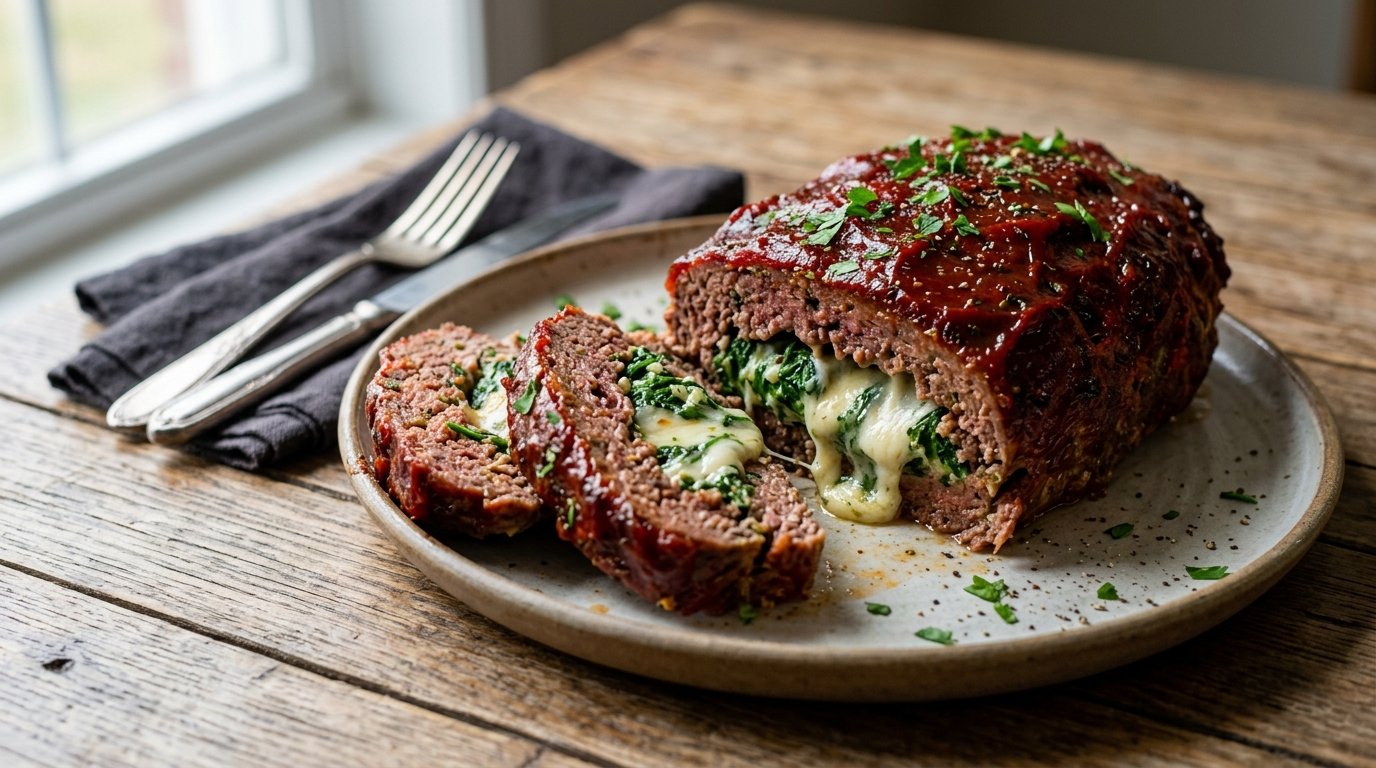
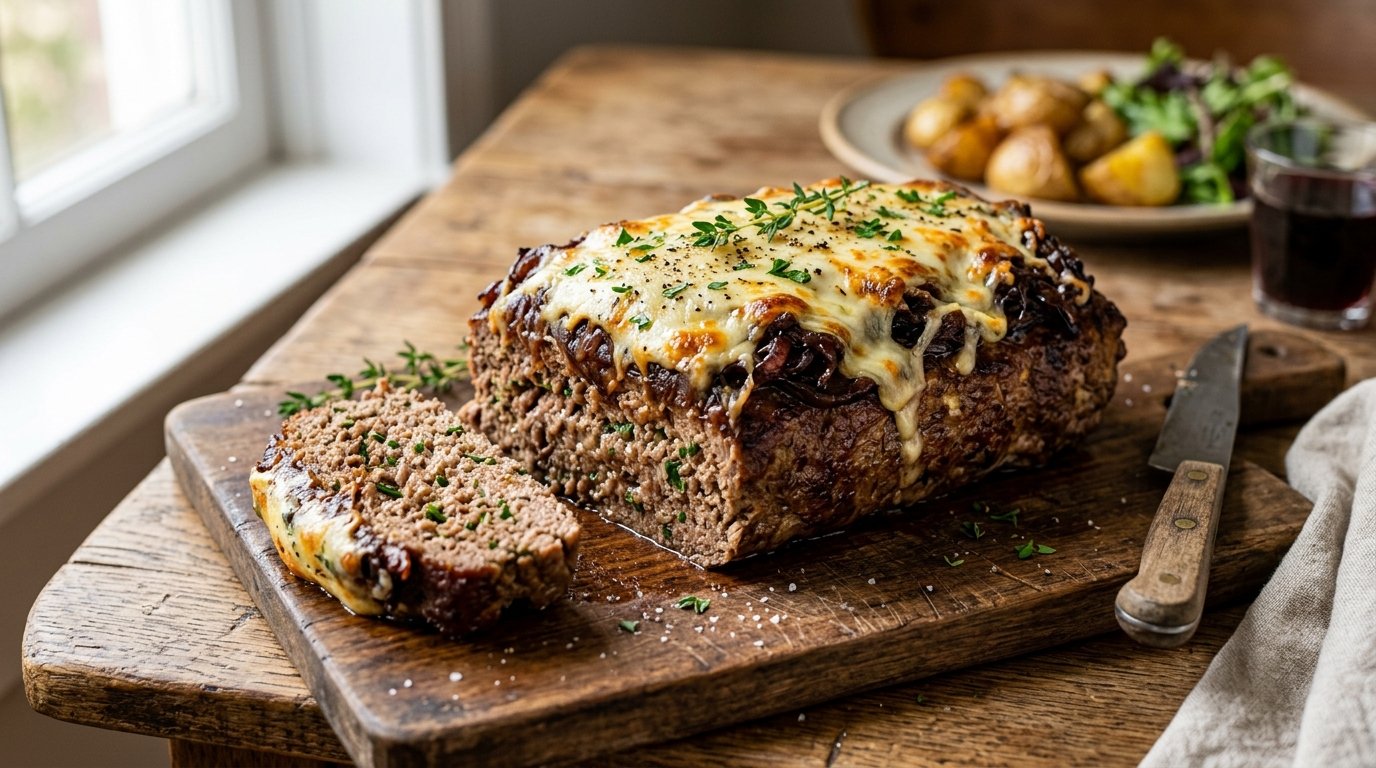
There is a specific kind of culinary magic that happens when you combine two iconic comfort foods into one dish. Enter the French Onion Meatloaf, a recipe that marries the savory, umami-rich depth of classic French onion soup with the hearty, nostalgic satisfaction of homemade meatloaf. It’s not just a dinner; it’s an experience that transforms humble ground beef into something extraordinary, topped with a blanket of melted cheese and sweet, jammy onions that pull apart in glorious, gooey strands.
This recipe solves the common complaint that meatloaf can be dry or bland. By incorporating caramelized onions directly into the mix and topping it with a rich, beefy glaze before smothering it in cheese, we ensure every bite is moist, flavorful, and deeply satisfying. Whether you are hosting a family Sunday dinner, looking for a show-stopping weeknight meal, or simply craving the ultimate comfort food fusion, this French Onion Meatloaf delivers restaurant-quality results with approachable, home-cook techniques. It proves that sometimes, the best innovations come from combining the classics we already love.
Why This Recipe Works
The success of this French Onion Meatloaf lies in three fundamental culinary principles: moisture retention, flavor layering, and textural contrast. Traditional meatloaf often suffers from dryness because lean meats lack sufficient fat, or because overmixing develops tough proteins. Here, we combat this by using a blend of ground beef (80/20) and pork, which provides both flavor and necessary fat content. More importantly, the addition of sautéed onions and a panade (bread soaked in liquid) acts as a internal basting system. As the loaf cooks, the moisture from the onions and panade releases slowly, keeping the protein matrix tender and juicy rather than dense and crumbly.
Flavor-wise, this dish operates on multiple levels. The onions aren’t just a topping; they are cooked down until their natural sugars caramelize, creating a complex sweetness that balances the savory beef. When mixed into the meat, they distribute this flavor throughout the interior, preventing the “bland center” syndrome common in large loaves. The exterior glaze—typically a reduction of beef broth, Worcestershire sauce, and thyme—mimics the rich consommé of French onion soup, adding a salty, umami punch that penetrates the crust during baking.
Finally, the cheese topping serves a functional purpose beyond aesthetics. Gruyère and mozzarella have different melting properties; Gruyère offers a nutty, sophisticated flavor that pairs perfectly with beef and onions, while mozzarella provides the structural stretch and visual appeal of that famous cheese pull. Applying the cheese only in the final stage of cooking ensures it melts beautifully without burning or separating into oil, creating a golden, bubbly crown that seals in heat and moisture right up until serving.
Why You’ll Love This French Onion Meatloaf
- Ultimate Comfort Fusion: Combines the best elements of French onion soup and classic meatloaf in one dish.
- Incredibly Moist: The onion-infused mixture and panade guarantee a juicy interior every time.
- Show-Stopping Presentation: The melted cheese and caramelized onion topping looks as good as it tastes.
- Family Friendly: A crowd-pleaser that appeals to both adults and kids who might otherwise shy away from onions.
- Leftover Magic: Tastes even better the next day as flavors meld and settle.
- Versatile Serving: Pairs perfectly with mashed potatoes, roasted veggies, or crusty bread.
- Freezer Friendly: Makes excellent meal prep; freezes and reheats beautifully.
- Customizable: Easily adapted for spice levels, cheese preferences, or dietary needs.
Ingredient Notes
Ground Beef (80/20) & Ground Pork
- Purpose: Primary protein base. Beef provides robust flavor; pork adds fat and tenderness.
- Substitutions: All beef (use 80/20 minimum), turkey/chicken blend (lighter, requires extra moisture), or plant-based ground meat (for vegetarian version).
- Buying Tips: Look for fresh, bright red meat with visible white fat marbling. Avoid grayish or slimy packages. Ask butcher for freshly ground if possible; pre-packaged can be older/drier.
- Storage Tips: Use within 1-2 days of purchase. Freeze in portioned bags if not using immediately. Thaw in fridge overnight before use.
Yellow Onions
- Purpose: Flavor foundation. Provides sweetness, moisture, and authentic French onion character.
- Substitutions: Sweet onions (Vidalia/Walla Walla) for milder taste; red onions for sharper bite; shallots for delicate flavor. Avoid white onions (too pungent/raw tasting when cooked).
- Buying Tips: Choose firm, heavy onions with dry, papery skins. No soft spots, sprouts, or mold. Size matters: medium-large yield better slices for topping.
- Storage Tips: Store in cool, dark, dry place with ventilation. Do NOT refrigerate (moisture causes rot). Lasts 1-2 months properly stored.
Gruyère & Mozzarella Cheese
- Purpose: Topping. Gruyère = nutty/savory flavor; Mozzarella = stretch/melt.
- Substitutions: Swiss/Emmental (similar to Gruyère), Provolone (milder melt), Fontina (rich/buttery), or sharp cheddar (stronger flavor, less stretch).
- Buying Tips: Buy block cheese and shred yourself. Pre-shredded contains anti-caking agents that prevent smooth melting and create gritty texture. Look for “low-moisture” mozzarella for best stretch.
- Storage Tips: Wrap tightly in wax paper then foil. Refrigerate up to 3 weeks. Freeze shredded cheese in airtight bag up to 3 months (thaw before use).
Beef Broth & Worcestershire Sauce

- Purpose: Glaze/base flavor. Adds umami, salt, and depth mimicking French onion soup consommé.
- Substitutions: Bone broth (richer), mushroom broth (vegetarian umami), soy sauce/tamari (salt/umami boost), or miso paste (fermented depth).
- Buying Tips: Low-sodium broth allows control over salt level. Quality Worcestershire (Lea & Perrins) has complex fermentation; avoid cheap imitations. Check labels for gluten if needed.
- Storage Tips: Broth: pantry unopened, fridge opened (5-7 days). Worcestershire: pantry indefinitely. Both freeze well in ice cube trays for portioning.
Fresh Thyme & Breadcrumbs
- Purpose: Aromatics and binder. Thyme = earthy/herbal note; breadcrumbs = structure/moisture retention.
- Substitutions: Dried thyme (use ⅓ amount), rosemary/sage (different herbal profile), panko (crispier texture), crushed crackers/oats (gluten-free binder).
- Buying Tips: Fresh thyme should have vibrant green leaves, no blackening/wilting. Breadcrumbs: plain/unseasoned preferred for control. Panko gives lighter texture than fine crumbs.
- Storage Tips: Thyme: stems in water like flowers, covered loosely, fridge 1 week. Breadcrumbs: airtight container, pantry 6 months or freezer 1 year.
Kitchen Equipment
- Large Skillet (12-inch): For caramelizing onions evenly. Stainless steel or cast iron preferred for fond development. Non-stick works but won’t develop same depth of flavor.
- Mixing Bowls (Large): For combining meat mixture without overcrowding. Glass/stainless steel easier to clean than plastic (doesn’t retain odors/fat).
- Loaf Pan (9×5 inch) OR Rimmed Baking Sheet: Loaf pan = traditional shape/juicier. Baking sheet = more surface area/crispier edges/free-form style. Parchment paper essential for either.
- Instant-Read Thermometer: Critical for food safety and perfect doneness. Guessing leads to dry/undercooked meat. Digital probe preferred for speed/accuracy.
- Food Processor (Optional): For pulsing breadcrumbs/onions quickly. Saves time but hand-chopping gives better texture control. Don’t over-process meat!
- Pastry Brush: For applying glaze evenly without disturbing meat surface. Silicone tips easy to clean.
- Aluminum Foil: For tenting during bake to prevent over-browning. Essential for cheese melting phase.
- Sharp Knife & Cutting Board: For slicing onions uniformly and portioning cooked loaf. Serrated knife helps cut through cheese crust cleanly.
Preparation Information
- Prep Time: 25 Minutes
- Cook Time: 1 Hour 15 Minutes
- Total Time: 1 Hour 40 Minutes
- Servings: 6–8
Step-by-Step Instructions
The Caramelized Onion Foundation
Slice 3 large yellow onions into ¼-inch half-moons. Heat 2 tbsp butter + 1 tbsp oil in large skillet over MEDIUM-LOW heat. Add onions, stir to coat. Cook 25-35 mins, stirring every 5-7 mins, until deep golden brown/jammy. Deglaze with ¼ cup beef broth, scraping up fond. Cool completely. Reserve ½ cup for topping; mix rest into meat later. Why it matters: Low/slow heat breaks down cell walls, releasing sugars that caramelize (Maillard reaction). Rushing = burnt outside/raw inside. Deglazing captures concentrated flavor bits (fond) stuck to pan. Cooling prevents cooking meat prematurely when mixed. Reserving topping ensures visible onion layer under cheese. Visual Cue: Onions transform from white/translucent to amber/golden brown. Volume reduces by ~70%. Surface looks glossy/sticky, not dry/burnt. Texture Cue: Soft, yielding, almost melting. No crunch/resistance. Jammy consistency coats spoon. Aroma Cue: Sweet, nutty, savory onion scent. No sharp/raw sulfur smell. Deeply appetizing. Common Mistake: High heat = burnt/bitter onions. Impatience = underdeveloped flavor. Stirring too often = prevents browning. Too little = burns. Find rhythm: stir, wait, repeat. Pro Tip: Add pinch of sugar/baking soda if onions stubbornly pale. Sugar accelerates caramelization; baking soda raises pH, speeding browning. Use sparingly (¼ tsp max) to avoid soapy taste.
Building the Perfect Meat Mixture
In large bowl, combine 1 lb ground beef, ½ lb ground pork, ¾ cup breadcrumbs soaked in ½ cup milk (panade), 2 eggs, 2 cloves minced garlic, 1 tbsp Worcestershire, 1 tsp dried thyme, salt/pepper, and cooled caramelized onions (minus reserved topping). Mix GENTLY with hands until JUST combined. DO NOT overwork. Why it matters: Panade (bread+milk) binds moisture, preventing dryness. Eggs provide structure/protein coagulation. Gentle mixing avoids developing tough myosin proteins = tender loaf. Overmixing = dense/rubber brick. Seasoning now ensures flavor throughout, not just surface. Visual Cue: Mixture looks cohesive but not uniform/paste-like. Visible flecks of onion/breadcrumb. Moist but not soupy. Texture Cue: Holds together when squeezed lightly. Springs back slightly. Not sticky/gummy or crumbly/dry. Aroma Cue: Savory meat, herbal thyme, garlicky warmth. Balanced and inviting. *Doneness Cue (Raw): N/A – this is prep. But mixture should feel cool to touch. Warm mixture = fat rendering early = greasy loaf. Chill 15 mins if warm before shaping. Chef Tip: Wet hands with water/oil before mixing/shaping. Prevents sticking without adding excess flour/breadcrumbs that alter texture. Work efficiently; body heat warms meat fast.
Shaping and Initial Bake
Preheat oven to 375°F (190°C). Line loaf pan/baking sheet with parchment. Shape meat into loaf (if free-form) or press gently into pan. Bake 45-55 mins until internal temp reaches 155°F (68°C). Remove. Brush with remaining beef broth/Worcestershire glaze. Tent loosely with foil. Rest 10 mins. Why it matters: 375°F balances browning/cooking through without drying. Parchment prevents sticking/easy removal. Temp 155°F accounts for carryover cooking (rises to safe 160°F+ during rest). Glazing adds moisture/flavor before cheese. Resting redistributes juices; cutting immediately = dry loaf. Visual Cue: Exterior deep brown/crisp. Juices may pool slightly in pan (normal). Surface looks set/firm, not raw/pink. Texture Cue: Firm to touch, slight spring. Not squishy/raw or hard/overdone. Internal temp confirms doneness. Aroma Cue: Roasted meat, caramelized onion, herbal notes. Rich and comforting. Common Mistake: Overpacking pan = dense loaf. Undercooking = unsafe. Overcooking = dry. Trust thermometer, not time. Skipping rest = juice loss. Glazing too early = washes off during bake. Pro Tip: Create slight indentation along top center before baking. Prevents cracking/splitting as loaf expands. Fill indentation with glaze post-bake for extra flavor pocket.
The Cheesy Grand Finale
Increase oven to 400°F (200°C). Spread reserved caramelized onions evenly over loaf. Top generously with shredded Gruyère/mozzarella blend. Return to oven 8-12 mins until cheese melted/bubbly/golden spots appear. Remove. Rest 5 mins. Garnish with fresh thyme. Slice and serve hot. Why it matters: Higher heat melts cheese quickly without overcooking meat. Onion layer protects cheese from direct heat, preventing burn. Cheese blend balances flavor/stretch. Final rest sets cheese slightly, preventing slide-off when sliced. Fresh thyme adds brightness/aroma lost in cooking. Visual Cue: Cheese fully melted, golden-brown spots, bubbling at edges. Onions peek through, glistening. Steam rises gently. Texture Cue: Cheese stretchy/gooey. Onions soft/jammy. Meat juicy/tender beneath. Crust crisp where exposed. Aroma Cue: Nutty/toasted cheese, sweet onion, savory meat. Irresistible and complex. Doneness Cue: Cheese should be molten, not separated/oily. Golden spots indicate proper browning. Pale = under-melted; dark brown/black = burnt. Chef Tip: Broil LAST 1-2 mins ONLY if cheese needs more color. WATCH CONSTANTLY. Burns in seconds. Better to under-brown than burn. Let residual heat finish melting after broil.
Expert Tips for Maximum Flavor

- Onion Patience Is Non-Negotiable: True caramelization takes 30+ mins. Don’t rush. Low heat + time = deep flavor. High heat shortcut = bitter failure. Set timer, stir periodically, trust process.
- Meat Temperature Matters: Keep meat COLD until mixing. Warm fat renders prematurely = greasy/dry loaf. Chill bowl/hands if kitchen hot. Work quickly during mixing/shaping.
- Panade Ratio Key: 1 part liquid : 1 part breadcrumb by volume. Too little = dry/crumbly. Too much = mushy/loose. Adjust based on breadcrumb type (panko absorbs more than fine crumbs).
- Glaze Timing Critical: Apply AFTER initial bake, BEFORE cheese. Glaze during bake evaporates/washes off. Post-bake glaze soaks into crust, enhancing flavor/moisture without sogginess.
- Cheese Blend Strategy: Never use pre-shredded. Anti-caking agents ruin melt. Shred block cheese fresh. Gruyère + mozzarella = ideal balance. Experiment with fontina/provolone for variation.
- Thermometer > Touch Test: Meatloaf thickness varies. Touch test unreliable. Instant-read thermometer guarantees safety/perfection. Pull at 155°F; carryover does rest.
- Resting Is Mandatory: 10 mins post-bake, 5 mins post-cheese. Cutting hot = juice flood = dry slices. Patience rewards with moist, cohesive portions. Cover loosely with foil during rest.
- Fresh Herb Finish: Dried thyme in mix = background note. Fresh thyme garnish = aromatic pop. Add post-cook; heat destroys volatile oils. Visual + olfactory enhancement.
Common Mistakes to Avoid
- Overmixing Meat: Creates tough/rubbery texture. Mix GENTLY until JUST combined. Stop when ingredients incorporated. Overworking develops gluten/proteins = brick.
- Rushing Onions: Burnt/bland flavor. Low/slow heat essential. 25-35 mins minimum. No shortcuts. Patience = depth.
- Skipping Panade: Dry/crumbly loaf. Bread+milk binder retains moisture. Non-negotiable for juicy result. Adjust ratio for desired texture.
- Wrong Oven Temp: Too high = burnt outside/raw inside. Too low = pale/dry. 375°F standard; 400°F only for cheese melt. Monitor closely.
- Underseasoning: Bland loaf. Season MIXTURE adequately. Meat absorbs salt/flavor during cook. Taste-test small cooked patty if unsure. Adjust before baking.
- Cheese Too Early: Burnt/separated cheese. Add ONLY last 8-12 mins. Protect with onion layer. Higher heat for quick melt. Watch constantly.
- Cutting Immediately: Juice loss = dry slices. REST 15 mins total (10 post-bake, 5 post-cheese). Allows redistribution. Warm, not hot, serving temp ideal.
- Lean Meat Only: Dry loaf. 80/20 beef minimum. Pork blend adds fat/flavor. Lean turkey/chicken requires extra moisture/fat compensation.
Recipe Variations
- Spicy Kick: Add diced jalapeños/serranos to onion mix. Use pepper jack cheese. Drizzle sriracha/hot honey over cheese pre-bake. Red pepper flakes in meat mix.
- Vegetarian Option: Replace meat with lentils/mushrooms/walnuts. Use veggie broth/Worcestershire. Nutritional yeast adds umami. Bind with flax egg/oats. Same onion/cheese treatment.
- Vegan Adaptation: Plant-based ground + vegan cheese. Cashew cream instead of milk panade. Maple syrup/agave for glaze sweetness. Ensure Worcestershire vegan (anchovy-free).
- Chicken/Turkey Version: Lighter flavor. Add extra moisture (applesauce/zucchini). Use poultry seasoning. White cheddar/Gouda cheese. Shorter cook time (check temp earlier).
- Beef Brisket Style: Smoke meatloaf first, then finish with cheese/onion. Wood chips (hickory/apple). Adds smoky depth. Longer cook time. Outdoor grill/smoker required.
- Extra Cheesy Bomb: Stuff center with cheese cube before shaping. Double cheese topping. Add cream cheese to meat mix. Four-cheese blend. Indulgent, decadent treat.
- Healthy/Low-Fat: Turkey/chicken breast. Almond flour/oats binder. Egg whites. Reduced-fat cheese. Load up on veggies (spinach/zucchini grated in). Lighter but still flavorful.
- Low-Carb/Keto: Almond flour/coconut flour binder. No breadcrumbs. Cauliflower rice filler. Full-fat cheese. Net carbs drop significantly. High fat/protein satisfies.
- High-Protein Boost: Add whey protein isolate to mix. Extra egg whites. Hemp seeds. Greek yogurt instead of milk. Serves athletes/bodybuilders. Dense, nutrient-packed.
- Mediterranean Twist: Feta/olive/kalamata in mix. Oregano/basil herbs. Tomato-based glaze. Halloumi cheese topping. Lemon zest brightness. Completely different flavor profile.
What to Serve With This Recipe
- Garlic Mashed Potatoes: Creamy, buttery complement to savory loaf. Soaks up juices/glaze. Classic pairing.
- Roasted Green Beans/Asparagus: Bright, crisp contrast to rich meat. Lemon/garlic finish cuts heaviness. Simple, elegant side.
- Crusty French Baguette: For soaking up glaze/cheese. Echoes French onion soup tradition. Essential for full experience.
- Caesar Salad: Crisp romaine, tangy dressing, crunchy croutons. Refreshing palate cleanser between rich bites.
- Red Wine (Cabernet/Merlot): Bold tannins cut fat, complement beef. Classic steakhouse pairing. Serve slightly below room temp.
- Beef Consommé Cup: Mini soup starter echoes French onion theme. Warm, savory, light. Sets tone for main.
- Apple Cranberry Chutney: Sweet/tart contrast to savory/salty loaf. Unexpected but brilliant pairing. Adds complexity.
- Chocolate Lava Cake: Rich dessert finale. Warm, gooey center mirrors cheese pull. Perfect indulgent ending.
Make Ahead & Meal Prep Tips
- Onion Prep Ahead: Caramelize onions up to 3 days ahead. Store airtight fridge. Flavors deepen/improve. Bring to room temp before mixing. Saves active cook time.
- Meat Mix Prep: Combine meat mixture (without shaping) up to 24 hrs ahead. Store covered fridge. Allows flavors to meld. Shape/bake next day. Do NOT freeze raw mix (texture suffers).
- Glaze Prep: Mix glaze ingredients ahead. Store jar fridge 1 week. Shake/stir before use. Ready to brush post-bake. No last-minute measuring.
- Cheese Shred Ahead: Shred cheese up to 3 days ahead. Store airtight fridge. Saves assembly time. Toss with tsp cornstarch to prevent clumping.
- Full Loaf Freeze: Bake/cooled loaf wraps tightly foil/plastic. Freeze up to 3 months. Thaw fridge overnight. Reheat oven 350°F 20-30 mins. Add fresh cheese/onion pre-reheat for best texture.
Storage & Reheating Instructions
Refrigerator
Store leftover slices in airtight container up to 4 days. Cheese may soften/congeal—normal. Best consumed within 48 hrs for optimal texture. Reheat gently to preserve moisture.
Freezer
Freeze individual slices wrapped parchment then foil up to 3 months. Whole loaf freezes well but slice-before-freeze easier for portioning. Thaw fridge overnight before reheating.
Reheating Methods
- Oven (BEST): 350°F 15-20 mins covered foil. Restores texture/moisture closest to original. Uncover last 5 mins to re-crisp cheese. Add splash broth if dry.
- Air Fryer: 325°F 8-10 mins. Faster, crisps cheese nicely. Risk of drying—spray lightly oil/broth. Good for single slices.
- Microwave (LAST RESORT): 50% power 1-min bursts. Covers damp paper towel. Prevents rubbery cheese/dry meat. Expect texture compromise. Only if speed > quality.
- Stovetop: Skillet low heat, covered, 5-7 mins per side. Gentle reheating preserves moisture. Risk of uneven heating. Add splash water/broth. Monitor closely.
Nutritional Information
Estimates per serving (based on 8 servings)
- Calories: 520 kcal
- Protein: 32g
- Carbohydrates: 24g
- Fat: 34g
- Fiber: 2g
- Sugar: 6g
- Sodium: 780mg
Note: Values vary based on meat fat %, cheese quantity, glaze sodium. High protein/fat makes this satiating. Sodium significant from broth/Worcestershire/cheese.
Troubleshooting Guide
| Problem | Cause | Solution |
|---|---|---|
| Dry/Crumbly Loaf | Lean meat / no panade / overcooked / overmixed. | Use 80/20 beef + pork. Always include panade. Cook to 155°F only. Mix gently. Next time: add grated zucchini/apple for moisture. |
| Soggy/Wet Loaf | Too much liquid / undercooked / poor drainage. | Reduce milk/broth in panade. Ensure proper bake time/temp. Drain excess fat post-bake before glazing. Use rack in pan for airflow. |
| Burnt Cheese | Oven too hot / cheese added too early / no onion buffer. | Lower temp to 400°F max. Add cheese ONLY last 8-12 mins. Always layer onions under cheese. Watch constantly. Tent foil if browning too fast. |
| Bland Flavor | Underseasoned / rushed onions / weak glaze. | Season meat mix adequately. Caramelize onions fully (30+ mins). Boost glaze with Worcestershire/soy/miso. Taste-test small patty before baking. |
| Loaf Fell Apart | Not enough binder / overmixed / undercooked. | Increase panade/egg ratio. Mix gently. Ensure internal temp 155°F+. Chill shaped loaf 15 mins before bake for firmer structure. |
| Cheese Separated/Oily | Pre-shredded cheese / overheated / wrong cheese type. | Shred block cheese fresh. Don’t exceed 400°F. Use low-moisture mozzarella/Gruyère blend. Avoid high-fat aged cheeses alone. |
| Onions Burnt/Bitter | Heat too high / didn’t stir / sugar imbalance. | Low/slow heat essential. Stir regularly. Pinch sugar/baking soda aids browning without burning. Deglaze promptly if sticking. |
| Glaze Washed Off | Applied during bake / too thin / meat too wet. | Glaze ONLY post-initial bake. Reduce glaze to thicker consistency. Pat meat surface dry before glazing. Brush gently, don’t pour. |
Frequently Asked Questions
1. Can I make this in a slow cooker? Yes, but texture differs. Slow cooker = steamed/softer crust. Sear loaf first in skillet for color/flavor. Cook low 4-6 hrs. Add cheese/onions last 30 mins uncovered. Broil briefly if possible for cheese melt.
2. How do I know when it’s done without thermometer? Touch test: Press center. Should feel firm/springy, not soft/squishy. Juices run clear, not pink. Internal temp 160°F+ safest. Thermometer highly recommended—guessing risks dryness/undercooking.
3. Can I use all beef instead of beef/pork blend? Yes, but use 80/20 minimum. Pork adds fat/tenderness; all-beef may be drier. Compensate with extra panade/grated veggies. Flavor will be more robust/beef-forward. Still delicious.
4. Why did my cheese turn greasy/separated? Pre-shredded cheese contains anti-caking agents (cellulose) that prevent smooth melt. Overheating also causes separation. Shred block cheese fresh. Don’t exceed 400°F. Use low-moisture cheeses.
5. Can I freeze the unbaked loaf? Not recommended. Raw meatloaf freezes poorly—texture becomes grainy/watery upon thawing. Bake first, then freeze. Or freeze meat mixture (not shaped) up to 1 month. Thaw, shape, bake fresh.
6. What if I don’t like Gruyère? Substitute Swiss, Emmental, Provolone, Fontina, or sharp white cheddar. Each offers different melt/flavor profile. Avoid processed “cheese product”—won’t melt/stretch properly. Taste matters!
7. How do I prevent the loaf from cracking/splitting? Create slight indentation along top center before baking. Allows controlled expansion. Don’t overpack pan. Gentle shaping, not tight compression. Crack isn’t fatal—fill with glaze/cheese.
8. Can I make this gluten-free? Absolutely! Use GF breadcrumbs/almond flour/oats for panade. Verify Worcestershire/broth GF (many contain wheat). Tamari instead of soy if needed. Naturally GF otherwise.
9. Why are my onions taking forever to caramelize? True caramelization requires time/low heat. High heat burns outside before inside softens. Be patient—30-45 mins normal. Pinch sugar/baking soda accelerates safely. Stir regularly, adjust heat as needed.
10. Can I add vegetables inside the loaf? Yes! Grated zucchini/carrots/spinach add moisture/nutrition. Sauté first to remove excess water. Finely dice bell peppers/mushrooms. Don’t exceed 1 cup total or structure weakens. Enhances flavor/texture.
Final Thoughts
This French Onion Meatloaf is more than just a recipe—it’s a celebration of comfort food innovation. By merging two beloved classics, we create something greater than the sum of its parts: a dish that’s simultaneously familiar and exciting, simple yet sophisticated. The combination of tender, juicy meat, sweet caramelized onions, and that irresistible cheese pull creates a dining experience that lingers in memory long after the plate is cleared.