Quick Recipe Summary
| Prep Time | 25 Minutes |
|---|---|
| Cook Time | 40 Minutes |
| Total Time | 1 Hour 5 Minutes |
| Servings | 6 (6 cups) |
| Cuisine | American Comfort Food |
| Course | Main Course / Dinner |
| Difficulty | Medium |
| Calories | ~520 kcal per cup |
Table of Contents
- Introduction
- Why This Recipe Works
- Why You’ll Love This Recipe
- Ingredient Notes
- Kitchen Equipment
- Step-by-Step Instructions
- Expert Tips for Perfect Structure
- Common Mistakes to Avoid
- Recipe Variations
- What to Serve With This Recipe
- Make Ahead & Meal Prep Tips
- Storage & Reheating Instructions
- Nutritional Information
- Troubleshooting Guide
- Frequently Asked Questions
- Final Thoughts
Introduction

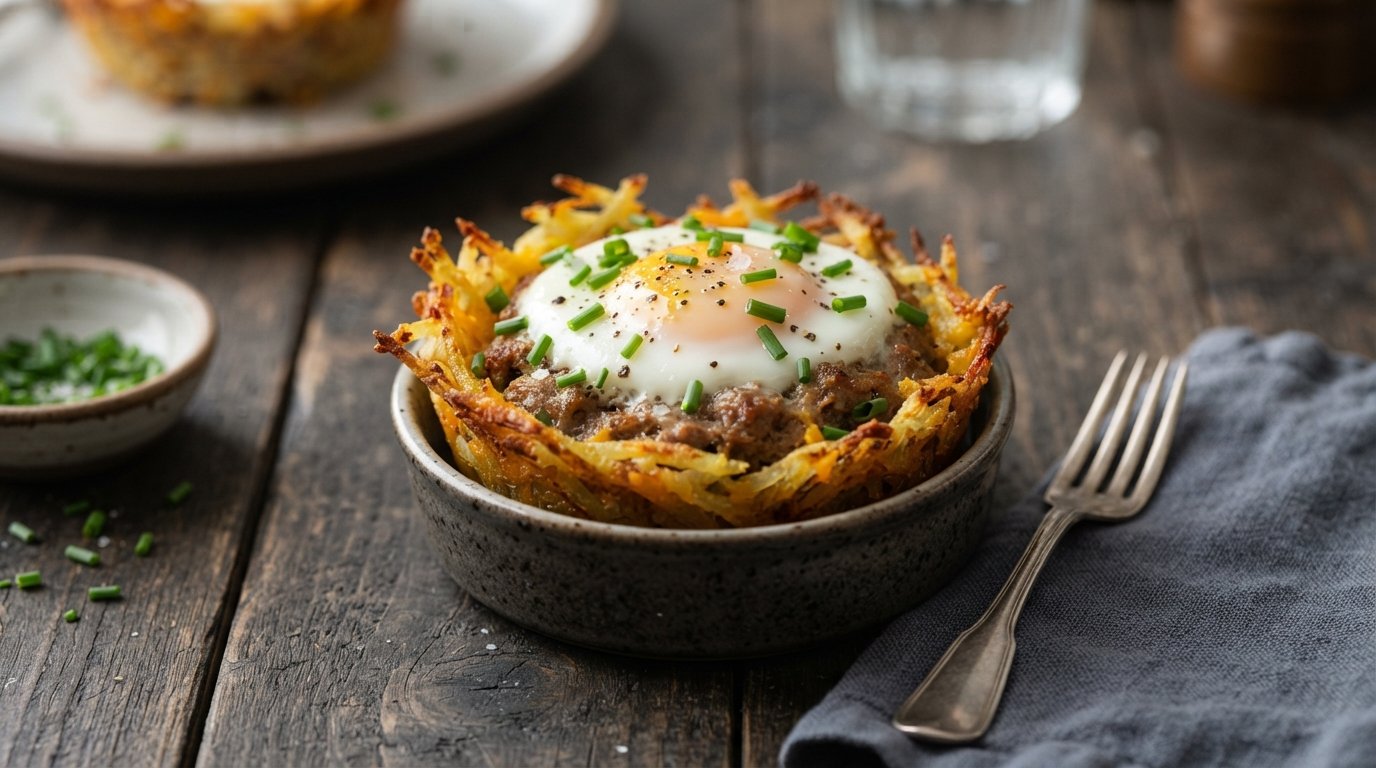
There is a specific kind of culinary alchemy that occurs when you combine the comforting familiarity of meatloaf, the creamy richness of cheesy potatoes, and the surprise of a perfectly baked egg yolk nestled in the center. These Meatloaf Cups with Cheesy Potato Crust & Baked Egg Center are not just a clever presentation—they are a textural and flavor symphony designed to delight every palate at the table. By using small glass cups as molds, we transform a classic ground beef dish into individual, portion-controlled masterpieces that look like they came from a Michelin-starred kitchen but require only basic home-cooking skills.
The magic lies in the layering: a crispy, golden potato crust forms the base, followed by a savory, herb-seasoned meatloaf mixture, then a cube of melty cheese, and finally a raw egg cracked directly into the center before baking. As the cups bake, the egg white sets into a tender custard while the yolk remains gloriously runny, ready to be pierced and unleashed over the rich layers below. Whether you’re hosting a dinner party, looking for an impressive weeknight meal, or simply craving something that feels special without the stress, this recipe delivers on every front.
Why This Recipe Works
This recipe succeeds because it leverages the principles of thermal conductivity and structural engineering in the oven. The glass cups serve a dual purpose: they allow you to see the beautiful layers forming while providing even heat distribution that ensures the potato crust crisps up rather than steams. The potato slices, layered with cheese and baked first, create a sturdy, edible “bowl” that holds its shape during the meatloaf filling and subsequent egg addition.
Furthermore, the timing of the egg addition is critical. Adding the raw egg just before the final bake allows the white to set gently around the yolk, which remains liquid due to the relatively short exposure to high heat (unlike a fully hard-boiled egg). The cheese cube placed beneath the egg acts as a thermal buffer, preventing the yolk from cooking too quickly and ensuring that perfect jammy consistency. The meatloaf mixture itself is intentionally moist—thanks to the inclusion of breadcrumbs and milk—which prevents the final product from drying out during the extended bake time needed for the potatoes and meat to cook through.
Why You’ll Love This Recipe
- Restaurant-Worthy Presentation: Individual portions in clear glass cups showcase the beautiful layers, making it ideal for entertaining or special occasions.
- Perfect Portion Control: Each cup is a self-contained serving, eliminating the need for slicing and ensuring everyone gets an equal share of the coveted runny yolk.
- Textural Heaven: You get crispy potato crust, tender meatloaf, molten cheese, and silky egg custard—all in one bite.
- Flavor Harmony: The savory meat, salty cheese, earthy mushrooms, and rich egg yolk create a balanced, deeply satisfying flavor profile.
- Make-Ahead Friendly: Most components can be prepped ahead of time, allowing you to assemble and bake just before serving.
- Kid-Approved & Gourmet-Approved: The familiar comfort food elements appeal to children, while the elegant presentation and runny yolk delight adults.
- Versatile Base: The core technique works with countless variations—swap proteins, cheeses, or vegetables to suit your preferences.
Ingredient Notes
Ground Beef (80/20)
- Purpose: Provides the primary protein and fat content essential for moisture and flavor in the meatloaf layer.
- Substitutions: Ground turkey or chicken (add 1 tbsp oil to prevent dryness), plant-based crumbles (ensure they hold shape), or a mix of beef and pork for richer flavor.
- Buying Tips: Choose bright red color with minimal gray or brown spots. Smell should be clean and meaty, not sour. 80/20 ratio is ideal for juiciness; leaner blends risk dryness.
- Storage Tips: Refrigerate and use within 2 days of purchase. Freeze in portioned packages for up to 3 months. Thaw overnight in fridge.
Russet Potatoes
- Purpose: Forms the crispy, starchy crust. High starch content helps bind and crisp up beautifully.
- Substitutions: Yukon Gold (creamier, less crisp), sweet potatoes (sweeter, softer texture), or cauliflower rice for low-carb version.
- Buying Tips: Select firm, smooth-skinned potatoes with no sprouts, green patches, or soft spots. Heavier potatoes indicate higher water content and freshness.
- Storage Tips: Store in cool, dark, well-ventilated place (not fridge). Keep away from onions (ethylene gas causes sprouting). Lasts 1-2 months properly stored.
Cheddar Cheese
- Purpose: Adds saltiness, umami, and meltability. The cube in the center creates the thermal buffer for the egg yolk.
- Substitutions: Monterey Jack (milder, better melt), Pepper Jack (spicy kick), Gouda (nutty depth), or vegan cheddar shreds.
- Buying Tips: Crucial: Buy block cheese and grate/shred yourself. Pre-shredded contains anti-caking agents (cellulose) that inhibit smooth melting and cause greasiness.
- Storage Tips: Wrap block in parchment paper, then foil. Refrigerate up to 4 weeks. Grated cheese lasts 3-5 days in airtight container.
Mushrooms & Aromatics
- Purpose: Mushrooms add umami depth and moisture; onions and garlic provide aromatic foundation.
- Substitutions: Diced carrots or celery for mirepoix base. Shallots instead of onion. Dried herbs if fresh unavailable (use 1/3 amount).
- Buying Tips: Mushrooms should be firm, dry, and fragrant. Avoid slimy or bruised caps. Onions should feel heavy and firm with dry skins.
- Storage Tips: Mushrooms in paper bag in fridge up to 5 days. Onions in mesh bag in cool, dark place up to 2 months.
Eggs
- Purpose: The star of the show—the baked egg provides richness, protein, and the signature runny yolk experience.
- Substitutions: None for the center element, but you can omit for a meatloaf-only version. For vegan, skip egg and add extra cheese/mushrooms for richness.
- Buying Tips: Choose large eggs for consistent size. Check expiration date. Crack into separate bowl before adding to cups to avoid shell contamination.
- Storage Tips: Refrigerate in original carton. Use within 3-5 weeks of purchase. Always store pointed-end down.
Kitchen Equipment

- Small Heatproof Glass Cups (6 oz): Essential for the individual portioning and visual effect. Must be oven-safe (Pyrex or similar). Alternatives: ramekins or muffin tins (less visual impact).
- Sharp Chef’s Knife & Cutting Board: For dicing onions, mushrooms, and slicing potatoes uniformly. Consistent size ensures even cooking.
- Box Grater or Food Processor: For shredding potatoes and cheese. Uniform shreds ensure even crisping and melting.
- Mixing Bowls (Medium & Large): For combining meatloaf mixture and preparing potato layers separately.
- Spatula & Wooden Spoon: For mixing meatloaf (gentle folding) and assembling layers without tearing.
- Baking Sheet: To hold the glass cups during baking. Rimmed sheet prevents spills if any overflow occurs.
- Measuring Spoons/Cups: Precision matters for binding agents (breadcrumbs, milk) and seasoning balance.
Step-by-Step Instructions
H3: Step 1 – Prepare the Potato Crust Layer
Peel and slice russet potatoes into ⅛-inch thick rounds using a mandoline or sharp knife. Toss with 1 tbsp olive oil, salt, and pepper. Arrange overlapping slices in the bottom and up the sides of each glass cup, creating a nest-like structure. Press firmly to adhere. Sprinkle with half the shredded cheddar cheese. Bake at 400°F (200°C) for 15 minutes until potatoes begin to soften and edges turn golden.
- Why this matters: The potato layer needs a head start to become structurally sound before adding wet ingredients. Pre-baking sets the crust and prevents sogginess. Cheese melts into the potato, creating a cohesive base.
- Visual Cue: Potatoes should be pliable but not falling apart. Edges lightly browned. Cheese melted and slightly bubbly.
- Texture Cue: Sides should hold shape when pressed gently. Not mushy or rigid.
- Aroma Cue: Toasted potato and nutty cheese scent. Should smell warm and inviting.
- Common Mistake: Overlapping too thickly—potatoes won’t crisp. Fix: Use single layer with slight overlap. Too thin = breaks easily.
- Professional Tip: Lightly grease cups with oil before adding potatoes if concerned about sticking. Parchment liners aren’t feasible for glass cups.
H3: Step 2 – Make the Meatloaf Mixture
In a large bowl, combine ground beef, finely diced onion, minced garlic, chopped mushrooms, ½ cup breadcrumbs, ¼ cup milk, 1 egg, 2 tbsp ketchup, 1 tbsp Worcestershire sauce, 1 tsp dried thyme, salt, and pepper. Mix gently with hands or spoon until just combined—do not overmix, or the meat will become dense and tough.
- Why this matters: Gentle mixing preserves air pockets, keeping the meatloaf tender. Breadcrumbs and milk act as binders and moisture reservoirs, preventing dryness during baking.
- Visual Cue: Mixture should look uniform but not homogenous. Visible flecks of onion, mushroom, and herbs.
- Texture Cue: Should hold together when squeezed but not feel pasty. Slightly tacky, not wet.
- Aroma Cue: Savory, garlicky, umami-rich scent from mushrooms and Worcestershire. Fresh herbs should be prominent.
- Common Mistake: Overmixing. This develops gluten in the breadcrumbs and compacts the meat, leading to a brick-like texture. Fix: Mix until ingredients are incorporated, then stop.
- Professional Tip: Let mixture rest 10 minutes after mixing. This allows breadcrumbs to hydrate fully, improving cohesion.
H3: Step 3 – Assemble the Cups
Remove potato cups from oven. Divide meatloaf mixture evenly among the 6 cups, pressing gently to fill the potato nest but leaving a ½-inch well in the center. Place a 1-inch cube of cheddar cheese in the well of each cup. Crack one raw egg directly into the center of each cup, being careful not to break the yolk.
- Why this matters: The well ensures the egg sits centered and doesn’t sink into the meat. The cheese cube protects the yolk from direct heat, allowing it to remain runny while the white sets.
- Visual Cue: Egg yolk perfectly intact and centered. Meatloaf level with top of potato crust. Cheese cube visible in well.
- Texture Cue: Meatloaf should feel compact but not compressed. Egg should sit snugly in the well.
- Common Mistake: Filling too high—mixture expands during baking and may overflow. Fix: Leave that ½-inch space. Better to have slightly less meat than a mess.
- Professional Tip: Use a small measuring cup or piping bag to fill meatloaf mixture evenly. Ensures consistent portions and clean assembly.
H3: Step 4 – Bake to Perfection
Place cups on rimmed baking sheet. Bake at 400°F (200°C) for 25-30 minutes, rotating pan halfway through. The meatloaf should be cooked through (internal temp 160°F/71°C), the potato crust deeply golden, and the egg white opaque and set while the yolk remains jiggly and liquid.
- Why this matters: The high heat ensures the potato crust crisps further and the meatloaf browns beautifully. The egg cooks gently in the insulated environment of the cup, achieving the perfect custard texture.
- Visual Cue: Meatloaf surface browned and slightly crackled. Potato edges deep golden-brown. Egg white fully set, yolk vibrant orange and glossy.
- Texture Cue: Meatloaf yields to gentle pressure but holds shape. Egg white firm, yolk soft and yielding.
- Aroma Cue: Rich, roasted meat and potato aroma with herbal notes. No raw egg smell.
- Common Mistake: Overbaking the egg. Yolk turns chalky and dry. Fix: Start checking at 22 minutes. Insert thermometer into meatloaf (not egg) to confirm doneness.
- Professional Tip: Let cups rest 5 minutes after removing from oven. This allows the egg to settle and the layers to firm up slightly, making serving cleaner.
H3: Step 5 – Garnish and Serve
Sprinkle with fresh parsley or chives. Serve immediately while hot. To eat, pierce the egg yolk with a fork and let it flow over the meatloaf and potato crust. The combination is pure comfort food bliss.
- Why this matters: Fresh herbs add brightness and visual pop. Serving hot ensures the yolk is perfectly runny and the cheese is molten.
- Visual Cue: Vibrant green garnish against golden-brown crust and orange yolk. Steam rising subtly.
- Texture Cue: Every component retains its integrity: crisp potato, tender meat, gooey cheese, silky egg.
- Aroma Cue: Warm, savory, and deeply comforting. The smell alone is appetite-inducing.
Expert Tips for Perfect Structure

- Potato Slice Thickness is Critical: Aim for ⅛ inch (3mm). Too thick = soggy center; too thin = breaks when handling. A mandoline is highly recommended for consistency.
- Press the Potato Nest Firmly: After arranging slices in the cup, press down with fingers or a small glass to compact the layers. This creates a stable wall that won’t collapse when filled.
- Use Room-Temperature Eggs: Cold eggs can shock the hot meatloaf mixture, causing uneven cooking. Let eggs sit out 10 minutes before cracking.
- Don’t Skip the Milk in Meatloaf: It’s not just for moisture—it helps dissolve the breadcrumbs, creating a gel that binds the mixture without toughness. Water won’t work as well.
- Cheese Cube Size Matters: A 1-inch cube is ideal. Too small = no buffer for yolk; too large = overwhelms the cup and may prevent proper egg setting.
- Rest Before Serving: The 5-minute rest is non-negotiable. It allows the internal temperature to equalize, the egg to stabilize, and the layers to set just enough to hold together when lifted from the cup.
Common Mistakes to Avoid
- Using Thin Glass Cups: Non-oven-safe glass can shatter. Fix: Only use tempered glass labeled “oven-safe” (e.g., Pyrex). Test with hot water first if unsure.
- Overfilling the Cups: Leads to messy overflow and uneven cooking. Fix: Leave ½-inch space at the top. Better to have slightly less meat than a ruined presentation.
- Overmixing the Meatloaf: Creates a dense, tough texture. Fix: Mix just until combined. Use hands for gentle folding; avoid electric mixers.
- Adding Egg Too Early: If added before the potato pre-bake, the egg will leak and cook unevenly. Fix: Always add raw egg only after the potato crust and meatloaf are assembled and ready for final bake.
- Underbaking the Potatoes: Results in a soggy, unstable base. Fix: Pre-bake potatoes until edges are golden and they hold their shape when pressed.
- Baking at Too Low a Temperature: Prevents proper browning and crisping. Fix: 400°F is optimal. Lower temps yield steamed, not roasted, results.
- Skipping the Rest Period: Hot cups are fragile; the egg yolk may burst prematurely. Fix: Wait 5 minutes. Patience yields cleaner servings.
Recipe Variations
- Spicy Jalapeño Cheddar: Add 1 finely diced jalapeño to meatloaf. Use pepper jack cheese. Top with sliced green onions.
- Mediterranean Twist: Replace ketchup with tomato paste + oregano. Add sun-dried tomatoes and Kalamata olives to meatloaf. Use feta cheese cube. Garnish with parsley.
- Vegetarian Mushroom Loaf: Omit beef. Use 2 cups finely chopped mushrooms + 1 cup cooked lentils + ½ cup breadcrumbs. Add soy sauce for umami. Keep egg or omit for vegan.
- Breakfast Edition: Use breakfast sausage instead of beef. Add diced bell peppers and cheddar. Serve with maple syrup drizzle for sweet-savory contrast.
- Low-Carb/Keto: Replace potatoes with thinly sliced zucchini or eggplant. Increase cheese for binding. Verify net carbs.
- Extra Cheesy Pull: Add ¼ cup shredded cheese to meatloaf mixture. Top finished cups with extra cheese before final 5 minutes of baking.
- Seafood Version: Use ground salmon or cod. Add lemon zest and dill to meatloaf. Use Gruyère cheese. Skip egg or use quail eggs for smaller portions.
- High-Protein Power: Add ¼ cup cooked quinoa to meatloaf. Use lean beef and extra egg whites in mixture. Top with hemp seeds.
What to Serve With This Recipe
Balance the rich, hearty cups with light, acidic, or crunchy sides:
- Simple Green Salad: Mixed greens with lemon vinaigrette. The acidity cuts through the richness perfectly.
- Roasted Broccolini or Asparagus: Charred green vegetables add fiber and color contrast. Toss with lemon juice after roasting.
- Garlic Butter Green Beans: Classic pairing that complements the meatloaf’s savory depth.
- Crusty Bread or Rolls: Essential for mopping up any escaped yolk or sauce. Sourdough or focaccia ideal.
- Pickled Vegetables: Quick-pickled red onions or cucumbers provide bright crunch and palate cleansing.
- Sparkling Water or Light Beer: Cleanses the palate between rich bites. Avoid heavy red wines that overwhelm.
- Apple Pie or Fruit Crisp: Sweet, spiced dessert balances the savory main course. Classic comfort food finale.
Make Ahead & Meal Prep Tips
- Prep Components Ahead: Slice potatoes, shred cheese, chop aromatics, and make meatloaf mixture up to 1 day ahead. Store separately in airtight containers in fridge.
- Assemble Unbaked: Fill cups with potato and meatloaf layers (without egg) up to 4 hours ahead. Cover tightly and refrigerate. Add egg just before baking.
- Freeze Unbaked: Assemble cups (without egg) and freeze on baking sheet. Once solid, transfer to freezer bag. Thaw overnight in fridge before adding egg and baking.
- Leftover Strategy: Baked cups reheat well. Store cooled cups in airtight container up to 2 days. Reheat gently (see below).
- Garnish Last-Minute: Always add fresh herbs right before serving. They wilt quickly and lose vibrancy.
Storage & Reheating Instructions
Storage
- Refrigerator: Store cooled cups in airtight container up to 2 days. The egg yolk will solidify upon cooling but remains safe to eat.
- Freezer: Freeze unbaked assembled cups (without egg) up to 1 month. Baked cups do not freeze well—egg texture degrades significantly.
Reheating
- Oven (Best): 325°F (160°C) for 10-12 minutes, covered with foil to prevent over-browning. Uncover last 2 minutes if crust needs crisping. Rest 5 minutes before serving.
- Air Fryer: 320°F (160°C) for 5-7 minutes. Excellent for reviving crispness of potato crust. Watch closely to prevent overcooking egg.
- Microwave (Last Resort): 50% power in 30-second bursts. Will cook the yolk fully and soften the crust. Best for quick reheating of leftovers when texture isn’t critical.
- Stovetop: Not recommended. Difficult to reheat individual cups evenly without drying out.
Nutritional Information
Estimates per cup (based on standard ingredients):
- Calories: 520 kcal
- Protein: 28g
- Carbohydrates: 32g
- Fat: 30g
- Fiber: 3g
- Sugar: 4g
- Sodium: 780mg
Note: Values vary based on beef fat %, cheese type, and exact portion sizes. Always check labels for precise tracking.
Troubleshooting Guide
| Problem | Cause | Solution |
|---|---|---|
| Cup Collapses During Assembly | Potato slices too thin or not pressed firmly. | Use thicker slices (⅛”). Press nest firmly with fingers or small glass before adding meat. |
| Egg Yolk Overcooked/Hard | Baked too long or oven too hot. | Reduce time by 3-5 mins next time. Use oven thermometer to verify temp. Check at 22 mins. |
| Meatloaf Dry/Tough | Overmixed or lean beef used. | Mix gently. Use 80/20 beef. Add 1 tbsp olive oil to mixture if using lean. |
| Potato Crust Soggy | Not pre-baked long enough or too much moisture in meatloaf. | Pre-bake potatoes until edges are golden. Drain excess fat from meatloaf mixture before filling. |
| Cheese Leaking Out | Cube too large or cup overfilled. | Use 1-inch cheese cubes. Leave ½-inch space at top. Press meatloaf gently, not aggressively. |
| Glass Cup Cracked | Non-oven-safe glass or sudden temperature change. | Use only tempered glass (Pyrex). Avoid placing cold cups in hot oven; let them come to room temp first. |
Frequently Asked Questions
1. Can I use regular baking dishes instead of glass cups? Yes, but you lose the visual “wow” factor. Use a muffin tin for portion control or a small casserole dish for family-style. Adjust bake time: muffin tin ~20 mins, casserole ~35 mins.
2. What if I don’t have a mandoline for potatoes? A very sharp chef’s knife works. Focus on uniform thickness—practice on one potato first. A vegetable peeler can create thinner, more delicate slices if needed.
3. Can I make this vegetarian without eggs? Absolutely. Omit the egg and increase the cheese cube size. Or, use a tofu scramble “yolk” (mashed silken tofu + turmeric) added after baking. The cup structure still works beautifully.
4. Why does my meatloaf shrink so much? All meatloaf shrinks during cooking due to fat rendering and protein contraction. This is normal! Using 80/20 beef minimizes excessive shrinkage compared to leaner blends.
5. Can I prepare these for a party and bake later? Yes! Assemble cups (without egg) up to 4 hours ahead. Refrigerate. Add eggs just before baking. For longer prep, freeze unbaked cups and thaw overnight.
6. How do I prevent the egg from sticking to the cup? The potato crust and cheese layer create a natural non-stick barrier. Ensure the potato nest is well-formed and pressed. Lightly greasing the cup before potatoes adds extra insurance.
7. Is the runny yolk safe to eat? Yes, if using pasteurized eggs or eggs from a trusted source. The yolk reaches a safe temperature (140°F/60°C) during baking while remaining liquid. For immunocompromised individuals, use pasteurized eggs or cook yolk fully.
8. Can I double the recipe? Yes! Use two baking sheets. Rotate pans halfway through baking for even cooking. Ensure cups are spaced to allow airflow. Total time remains the same.
Final Thoughts
Creating Meatloaf Cups with Cheesy Potato Crust & Baked Egg Center is about transforming a humble comfort food into something extraordinary through thoughtful technique and layering. The combination of textures—crispy, tender, molten, and silky—is what makes this dish truly unforgettable. It proves that with a little creativity and attention to detail, everyday ingredients can become the centerpiece of any meal.