Quick Recipe Summary
| Feature | Details |
|---|---|
| Prep Time | 45 minutes |
| Cook Time | 30 minutes |
| Total Time | 1 hour 15 minutes |
| Servings | 4–6 People |
| Cuisine | Pan-Asian (Chinese, Thai, Japanese influences) |
| Course | Appetizers / Main Course / Shared Platter |
| Difficulty | Intermediate |
| Calories | ~450 kcal per serving (varies by portion) |
Table of Contents
- Introduction
- Why This Recipe Works
- Why You’ll Love This Recipe
- Ingredient Notes
- Kitchen Equipment
- Preparation Information
- Step-by-Step Instructions
- Expert Tips
- Common Mistakes
- Recipe Variations
- What to Serve With This Recipe
- Make Ahead & Meal Prep Tips
- Storage Instructions
- Reheating Instructions
- Nutritional Information
- Troubleshooting Guide
- Frequently Asked Questions
- Final Thoughts
Why This Recipe Works
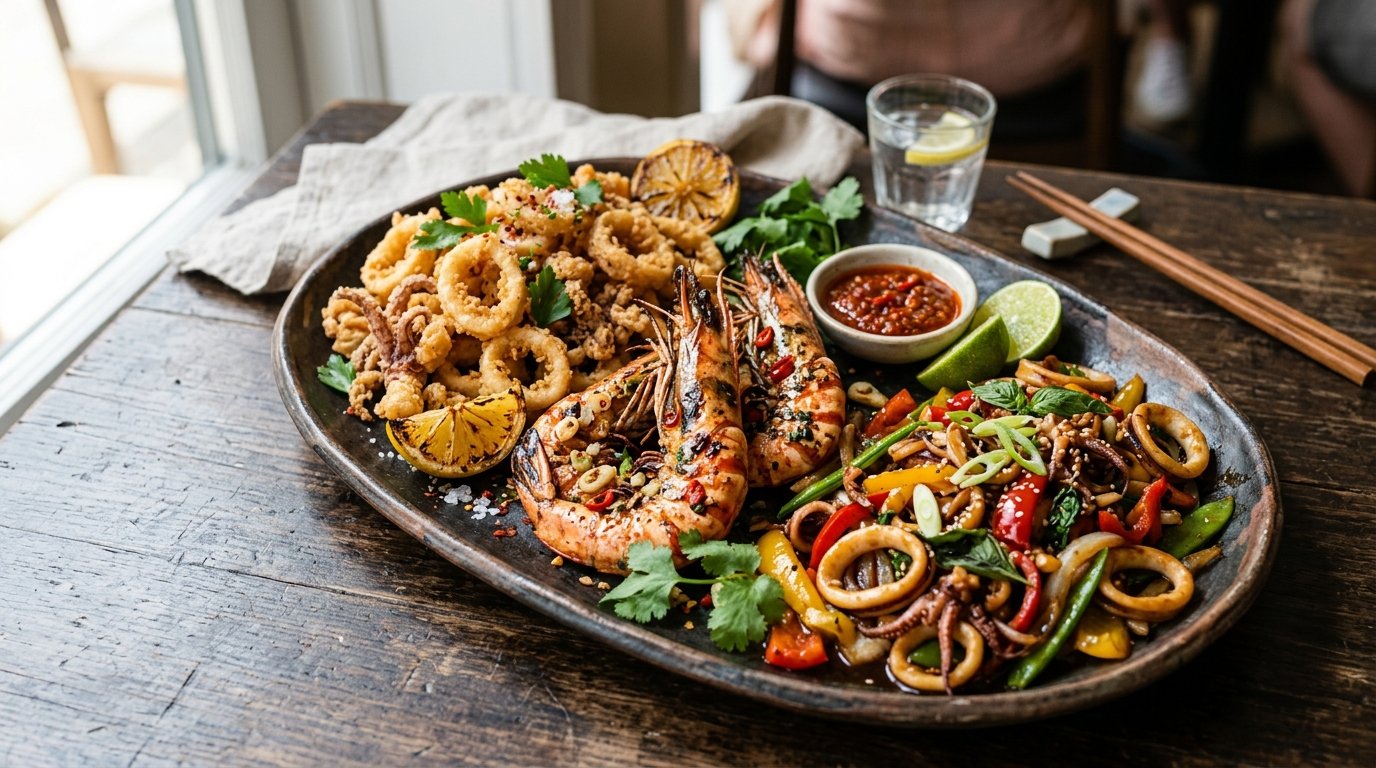
The success of any great Asian seafood spread lies in the contrast. In this trio of dishes, we balance texture, temperature, and flavor profiles to create a complete sensory experience.
For the fried calamari, the secret is the batter. A light, airy coating—often achieved with a mix of flour and cornstarch or rice flour—creates a protective barrier that seals in moisture while shattering upon biting. The double-fry method (or maintaining precise oil temperature) ensures the exterior is crunchy without being greasy, while the interior remains succulent.
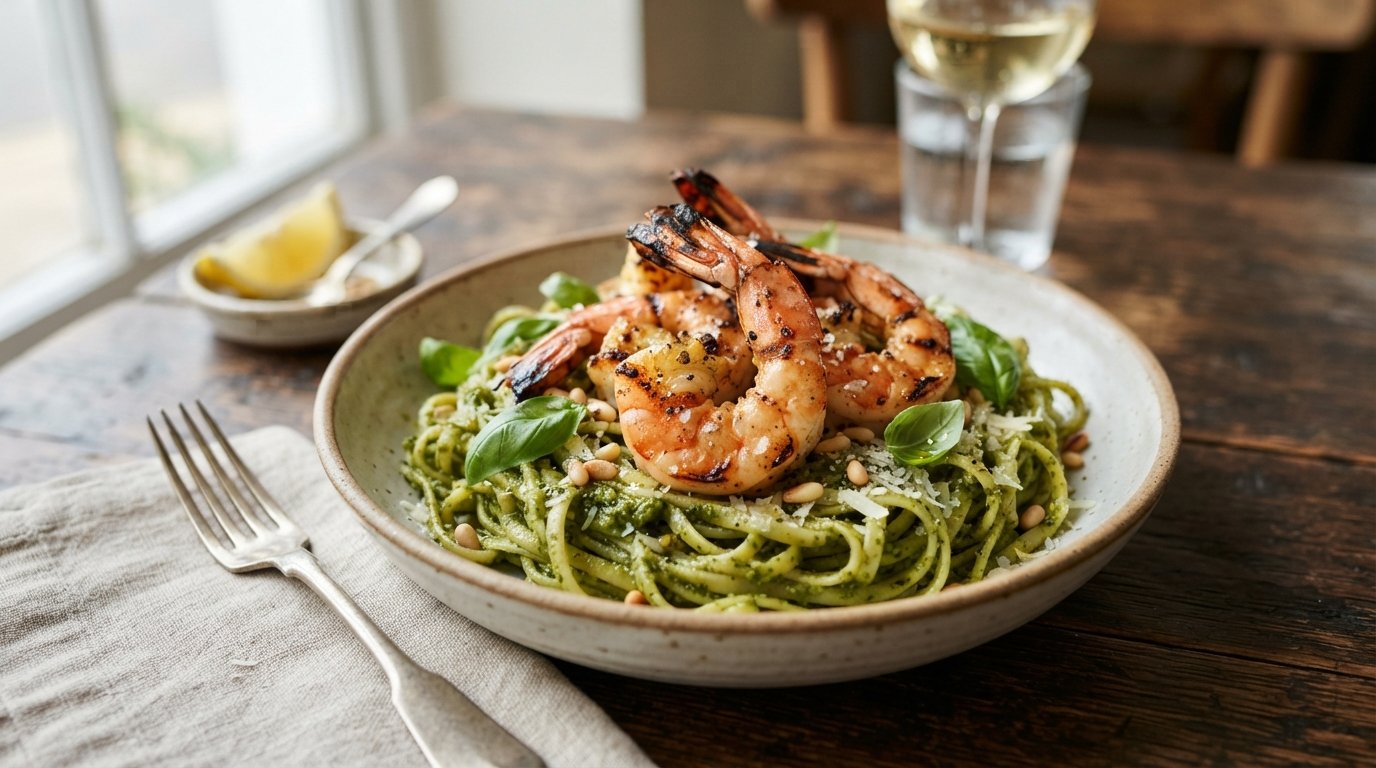
The grilled prawns rely on the Maillard reaction. High heat caramelizes the natural sugars in the shell and the added butter, creating complex, nutty flavors. Topping them with fish roe adds a burst of saline umami and a pop of texture that contrasts beautifully with the firm, sweet meat of the prawn.
Finally, the wok-tossed squid demonstrates the importance of speed. Squid cooks in seconds; overcooking turns it into rubber. By using a screaming hot wok and tossing quickly with aromatics like garlic, chili, and greens, we achieve a tender bite coated in a glossy, savory sauce that clings perfectly to every ring. Together, these dishes showcase the versatility of seafood in Asian cooking.
Why You’ll Love This Recipe
- Restaurant-Quality Results: Learn the professional techniques used in top Asian kitchens to achieve perfect textures at home.
- Versatile Menu: This collection serves as a complete meal or an impressive appetizer spread for parties.
- Flavor Balance: Experience the harmony of crispy, smoky, savory, spicy, and fresh elements in one sitting.
- Visual Appeal: These dishes are inherently photogenic, from the golden crunch of calamari to the vibrant orange roe on grilled prawns.
- Customizable Heat: Each component can be adjusted for spice levels, making it suitable for all palates.
- Freshness Focus: Highlights the natural sweetness of high-quality seafood enhanced by minimal but impactful seasoning.
Ingredient Notes
To execute this Asian seafood trio successfully, ingredient quality and specificity matter. Here is what you need to know.
For the Fried Calamari
- Squid Tubes: Fresh is best, but frozen cleaned tubes work well if thawed properly. Look for “tube” cuts specifically for frying.
- Flour & Cornstarch/Rice Flour: The combination is key. Wheat flour provides structure, while cornstarch or rice flour creates lightness and crunch.
- Ice Cold Water/Soda Water: Carbonation and cold temperature inhibit gluten formation, resulting in a crispier, lighter batter.
- Oil: Use a neutral oil with a high smoke point like peanut, canola, or vegetable oil.
For the Grilled Prawns
- Large Prawns/Shrimp: Head-on, shell-on prawns (like Tiger or King prawns) are essential. The shell protects the meat from drying out and adds flavor.
- Unsalted Butter: Adds richness and aids in browning. Salted butter can burn too quickly.
- Fish Roe (Tobiko/Masago): Adds color and salty pop. Available in Asian markets. If unavailable, a sprinkle of sesame seeds or chopped scallions works as a garnish alternative.
- Garlic & Herbs: Fresh garlic and cilantro/scallions provide aromatic freshness.
For the Wok-Tossed Squid

- Squid Rings: Uniform size ensures even cooking. Cut bodies into ½-inch rings; tentacles can be left whole or halved.
- Aromatics: Garlic, ginger, fresh chilies (bird’s eye or jalapeño), and green onions are non-negotiable for base flavor.
- Vegetables: Morning glory (water spinach), bok choy, or bell peppers add crunch and color.
- Sauce Base: Soy sauce, oyster sauce, sugar, and white pepper create the classic savory-sweet glaze.
Kitchen Equipment
Having the right tools makes the process smoother and safer.
- Deep Fryer or Heavy-Bottomed Pot: Essential for maintaining consistent oil temperature for the calamari. A Dutch oven works well.
- Candy/Deep Fry Thermometer: Crucial for monitoring oil temp (350°F-375°F / 175°C-190°C).
- Charcoal Grill or Cast Iron Grill Pan: For authentic smoky flavor on the prawns. A heavy grill pan is a good indoor alternative.
- Carbon Steel Wok: Retains high heat better than non-stick pans, essential for proper stir-frying.
- Wok Spatula/Chan Ho: For tossing ingredients quickly and efficiently.
- Spider Strainer/Slotted Spoon: For safely removing fried items and draining excess oil.
- Tongs: For handling hot prawns and squid.
Preparation Information
- Prep Time: 45 minutes (Cleaning seafood, chopping veggies, making batter/sauce).
- Cook Time: 30 minutes (Frying, grilling, stir-frying in batches).
- Total Time: 1 hour 15 minutes.
- Servings: 4–6 people (depending on other dishes served).
Step-by-Step Instructions
Dish 1: Crispy Golden Fried Calamari
H3: Prepare the Batter and Squid
Pat the squid tubes completely dry with paper towels. Moisture is the enemy of crispiness. Slice tubes into ½-inch rings. In a bowl, whisk together 1 cup all-purpose flour, ½ cup cornstarch, 1 tsp baking powder, salt, and white pepper. Slowly whisk in 1 cup ice-cold soda water until just combined. Lumps are okay; do not overmix.
- Why it matters: Overmixing develops gluten, leading to a tough, bread-like coating instead of a crisp shell. Cold liquid keeps the batter thin and reactive to hot oil.
- Visual Cue: Batter should coat the back of a spoon but drip off slowly. It should look slightly lumpy.
H3: Fry to Perfection
Heat oil in a deep pot to 375°F (190°C). Working in small batches (do not overcrowd!), dip squid rings into the batter, shake off excess, and carefully lower into oil. Fry for 2-3 minutes until pale gold. Remove and drain on a wire rack. Let rest for 2 minutes, then fry again for 30-60 seconds until deep golden brown.
- Why double fry? The first fry cooks the squid and sets the batter. The second fry drives out surface moisture and creates maximum crunch.
- Texture/Aroma Cue: Finished calamari should sound hollow when tapped and smell nutty and toasted, not oily.
- Common Mistake: Dropping oil temp below 350°F causes greasy, soggy calamari. Recover temp between batches.
Dish 2: Charcoal-Grilled Prawns with Roe & Butter

H3: Prep and Season Prawns
Butterfly the prawns by slicing through the shell along the back, leaving the tail intact. Devein if necessary. Brush lightly with oil and season with salt and white pepper. Preheat grill/grill pan to high heat.
- Why butterfly? Increases surface area for even cooking and creates a pocket for butter/roe. Keeps prawns flat on the grill.
H3: Grill and Finish
Place prawns cut-side down on the hot grill. Cook for 2-3 minutes until shells turn bright orange and flesh begins to opaque. Flip and cook 1-2 minutes more. During the last minute, place a small knob of butter and a pinch of fish roe onto the exposed flesh. Close lid or cover briefly to melt butter and warm roe.
- Visual Cue: Shells should be charred in spots; flesh should be opaque white/pink, not translucent. Butter should be bubbling, not burning.
- Aroma Cue: Smoky, briny scent of grilling shellfish mixed with rich butter.
- Professional Tip: Do not press down on prawns; this squeezes out juices. Let them sear undisturbed.
Dish 3: Wok-Tossed Squid Rings with Vegetables
H3: Sear the Squid
Heat wok until smoking. Add 1 tbsp oil. Add squid rings in a single layer. Sear undisturbed for 30 seconds, then toss/sear another 30 seconds. Total cook time: 1-1.5 minutes max. Remove immediately.
- Why so fast? Squid proteins tighten rapidly. Beyond 2 minutes, they become tough and rubbery. High heat sears the outside while keeping inside tender.
- Visual Cue: Squid turns opaque white with slight curl. Edges may have light char marks.
H3: Stir-Fry Veggies and Sauce
Add more oil to wok if needed. Toss in garlic, ginger, chilies, and vegetables. Stir-fry 1-2 minutes until veggies are bright green and tender-crisp. Return squid to wok. Add sauce mixture (2 tbsp soy sauce, 1 tbsp oyster sauce, 1 tsp sugar, ¼ cup water, dash of sesame oil). Toss vigorously 30 seconds to coat and thicken sauce slightly. Finish with green onions/cilantro.
- Texture Cue: Veggies should snap, not squish. Sauce should glossily coat ingredients, not pool at bottom.
- Common Mistake: Adding squid back too early or cooking sauce too long makes everything soggy/tough.
Expert Tips
- Dry Seafood Thoroughly: Always pat seafood bone-dry before cooking. Excess water lowers oil temp (for frying), prevents searing (for grilling/stir-frying), and dilutes sauces.
- Mise en Place is Mandatory: Especially for stir-frying. Have all ingredients prepped, measured, and within arm’s reach before heating the wok. Cooking happens in seconds; there’s no time to chop mid-process.
- Season in Layers: Salt the squid/prawns before cooking. Season the batter. Finish stir-fry with a splash of finishing sauce. Layered seasoning builds depth.
- Use a Wire Rack for Frying: Drain fried calamari on a wire rack, NOT paper towels. Paper traps steam, making the bottom soggy. Air circulation keeps it crisp.
- Don’t Fear High Heat: Asian cooking relies on intense heat. Ensure your grill/wok/oil is properly preheated before adding food. Lukewarm equipment leads to steaming, not searing/frying.
Common Mistakes

- Rubbery Squid/Calamari: Caused by overcooking. Squid needs either very quick cooking (<2 mins) or very slow braising (>30 mins). For frying/stir-frying, stick to quick. Fix: Cannot be undone. Prevent by timing strictly.
- Soggy Fried Coating: Oil temp too low, overcrowded pot, or drained on paper towels. Fix: Maintain 375°F, fry in batches, use wire rack.
- Burnt Butter on Prawns: Heat too high or butter added too early. Fix: Add butter only in the last minute of grilling. Use clarified butter/ghee for higher smoke point if grilling longer.
- Bland Stir-Fry: Insufficient heat, overcrowded wok, or under-seasoned sauce. Fix: Cook in batches if needed. Taste sauce before adding; it should be slightly stronger than desired final flavor.
- Sticking to Wok/Pan: Pan not hot enough, insufficient oil, or moving food too soon. Fix: Heat pan until smoking, add oil, let oil shimmer, add food, LET IT SEAR before moving.
Recipe Variations
- Spicy Kick: Add dried chili flakes to calamari batter. Top prawns with chili oil or sambal. Increase fresh chilies in stir-fry.
- Gluten-Free: Use rice flour + tapioca starch for calamari batter. Tamari instead of soy sauce in stir-fry. Verify roe/butter brands are GF.
- Vegan/Vegetarian: Substitute squid/prawns with king oyster mushrooms (scored and marinated) or cauliflower florets. Use vegan butter and omit fish roe (use black sesame seeds).
- Extra Cheesy: Sprinkle grated Parmesan or furikake seasoning over hot calamari. Add melted cheese to grilled prawns.
- Low-Carb/Keto: Skip flour batter for calamari; use pork rind crumbs or almond flour. Serve prawns/squid without sugary sauces; use chili-lime dressing instead.
- Protein Swap: Replace squid with chicken breast strips (marinate in cornstarch/soy for velveting) or firm tofu cubes. Adjust cook times accordingly.
What to Serve With This Recipe
Create a balanced meal around these rich seafood dishes.
- Side Dishes: Steamed jasmine rice or garlic fried rice to soak up sauces. Cucumber salad with rice vinegar and chili for palate cleansing.
- Salads: Green papaya salad (Som Tum) or simple lettuce cups with herbs and peanuts add freshness and crunch.
- Sauces: Sweet chili sauce, spicy mayo, or ponzu for dipping calamari. Extra soy-vinegar dip for prawns.
- Drinks: Ice-cold lager beer, sake, or yuzu soda. For non-alcoholic, lemongrass iced tea or coconut water.
- Desserts: Light, refreshing options like mango sticky rice, lychee sorbet, or grass jelly with syrup to cut through the savory richness.
Make Ahead & Meal Prep Tips
- Prep Components: Clean/cut squid, butterfly prawns, chop all veggies/aromatics, and mix sauces up to 24 hours ahead. Store separately in fridge.
- Batter: Can be made 1-2 hours ahead and kept ice-cold. Do not prep batter days ahead; it loses leavening power.
- Par-Cooking: Not recommended for seafood due to texture degradation. Best cooked fresh. However, you can blanch veggies 80% and shock in ice water; finish in wok during service.
- Assembly Line: Set up stations: frying station, grill station, wok station. This allows simultaneous cooking and efficient service.
Storage Instructions
- Refrigerator: Store leftover cooked seafood in airtight containers for up to 2 days. Keep calamari separate from saucy dishes to preserve crispness.
- Freezer: Cooked seafood does not freeze well (texture becomes mushy/rubbery). Raw, cleaned squid/prawns can be frozen for up to 3 months. Thaw overnight in fridge before use.
- Leftover Batter: Discard. Do not store used batter.
Reheating Instructions
- Air Fryer (Best for Calamari): Reheat at 375°F for 3-4 minutes. Restores crispness better than oven/microwave.
- Oven: Reheat calamari on wire rack at 400°F for 5-7 minutes. Reheat prawns/squid covered with foil at 350°F for 5-8 minutes to prevent drying.
- Stovetop: Reheat stir-fried squid in wok over medium-high heat 1-2 minutes, tossing constantly. Add splash of water if sauce has thickened too much.
- Microwave (Avoid if Possible): Makes calamari soggy and seafood rubbery. If necessary, use low power in short bursts, but expect texture loss.
Nutritional Information
Approximate values per serving (based on 6 servings, equal portions of each dish):
- Calories: 450 kcal
- Protein: 32g
- Carbohydrates: 28g
- Fat: 22g
- Fiber: 2g
- Sugar: 4g
- Sodium: 850mg
Note: Values vary based on oil absorption, butter quantity, and sauce sodium content. Seafood is naturally high in protein and omega-3s.
Troubleshooting Guide
| Problem | Cause | Solution |
|---|---|---|
| Calamari soggy/greasy | Oil temp too low; overcrowding | Maintain 375°F; fry in small batches; use wire rack |
| Prawns dry/tough | Overcooked; shell removed too early | Cook shell-on; monitor closely; remove when just opaque |
| Stir-fry watery | Veggies released water; sauce too thin | High heat; don’t overcrowd wok; reduce sauce before adding seafood |
| Batter falls off squid | Squid wet; batter too thick/thin | Dry squid thoroughly; adjust batter consistency; dust squid lightly with flour before battering |
| Roe burns on prawns | Added too early; heat too high | Add roe in last 30-60 seconds; move prawns to cooler part of grill if needed |
| Squid rubbery | Overcooked (>2 mins) | Strict timing; high heat; remove immediately when opaque |
Frequently Asked Questions
1. Can I use frozen squid for frying? Yes, but thaw completely in the fridge overnight and pat EXTREMELY dry. Frozen squid releases more water, which can ruin batter adhesion and oil temp. Fresh is always superior for texture.
2. What if I don’t have fish roe for the prawns? No problem! Substitute with toasted sesame seeds, finely chopped scallions, or a sprinkle of furikake seasoning. The butter and char provide plenty of flavor; roe is primarily visual/textural.
3. How do I know when my wok is hot enough? The “Leidenfrost Effect”: flick a drop of water into the wok. If it sizzles and evaporates instantly, it’s not ready. If it beads up and dances across the surface like mercury, it’s perfect for stir-frying.
4. Can I make the calamari batter ahead of time? Only 1-2 hours max, and keep it ICE COLD. Baking powder loses potency over time, and warm batter becomes gummy. For best results, mix batter right before frying.
5. Why did my stir-fried squid release so much water? Likely overcrowded the wok or didn’t use high enough heat. Squid releases moisture when steamed instead of seared. Cook in batches if necessary, and ensure wok is smoking before adding ingredients.
6. Is it safe to eat squid raw in stir-fry? No. While some cultures eat raw squid, this recipe calls for quick-cooking. Ensure squid reaches an internal temp of 145°F (63°C) for safety. Quick searing achieves this while preserving tenderness.
7. Can I use shrimp instead of prawns for grilling? Yes, but adjust cooking time. Shrimp are smaller and cook faster (1-2 mins per side). Butterfly them similarly. Larger prawns hold up better to high heat and stay juicier.
8. What oil is best for deep frying calamari? Peanut oil is traditional for its high smoke point (450°F) and neutral flavor. Canola, grapeseed, or vegetable oil also work well. Avoid olive oil (low smoke point) or coconut oil (strong flavor).
9. How do I prevent splattering when frying? Ensure squid is DRY before battering. Water + hot oil = splatter. Also, gently lower battered pieces into oil away from you; don’t drop them. Use a splatter screen if needed.
10. Can I make this entirely on a stovetop? Absolutely. Use a heavy pot for frying, a cast iron grill pan for prawns, and a carbon steel wok for stir-fry. You won’t get charcoal smokiness, but flavors will still be excellent.
Final Thoughts
Mastering this Asian seafood trio transforms your kitchen into a bustling night market stall. The key takeaway is respecting the ingredient: seafood demands precision, high heat, and minimal interference. When you nail the crispy crunch of calamari, the smoky sweetness of grilled prawns, and the tender savoriness of wok-tossed squid, you’re not just cooking—you’re crafting an experience.