Quick Recipe Summary
| Prep Time | 15 Minutes |
|---|---|
| Cook Time | 25 Minutes |
| Total Time | 40 Minutes |
| Servings | 4 |
| Cuisine | Italian-American Fusion |
| Course | Main Course / Dinner |
| Difficulty | Easy |
| Calories | ~620 kcal per serving |
Table of Contents
- Introduction
- Why This Recipe Works
- Why You’ll Love This Recipe
- Ingredient Notes
- Kitchen Equipment
- Step-by-Step Instructions
- Expert Tips for Perfect Sauce & Texture
- Common Mistakes to Avoid
- Recipe Variations
- What to Serve With This Recipe
- Make Ahead & Meal Prep Tips
- Storage & Reheating Instructions
- Nutritional Information
- Troubleshooting Guide
- Frequently Asked Questions
- Final Thoughts
Introduction

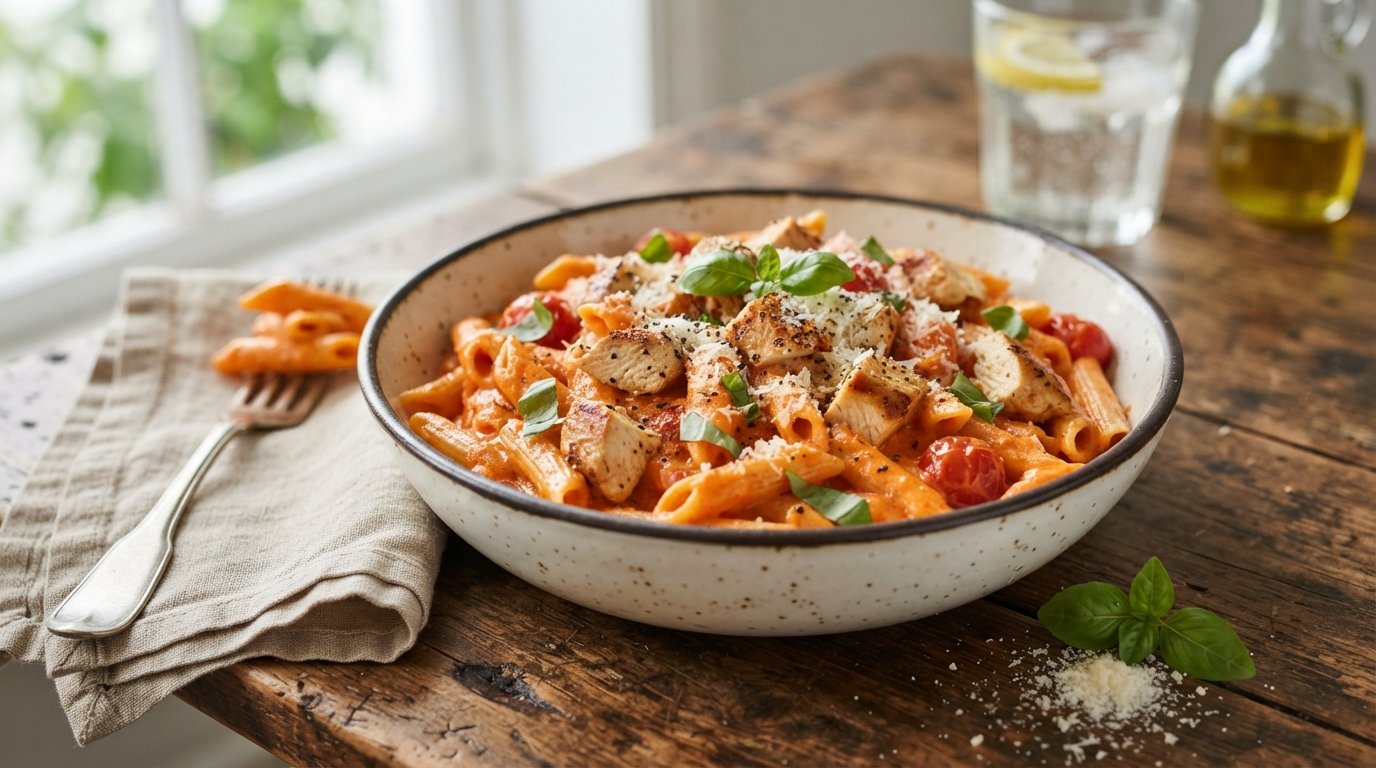
There is a specific moment in cooking when you realize that dinner doesn’t have to be complicated to be extraordinary. This Creamy Tomato Chicken Pasta captures that revelation perfectly. It combines the bright acidity of fresh cherry tomatoes, the savory depth of seared chicken, and the luxurious richness of a cream-based sauce into a single skillet meal that comes together in under forty minutes. Unlike traditional pasta dishes that require multiple pots and endless cleanup, this one-pan method allows the starch from the rigatoni to thicken the sauce naturally while infusing every noodle with concentrated flavor.
The magic lies in the technique of cooking the pasta directly in the tomato-chicken broth. As the rigatoni absorbs the liquid, it releases its own starches, creating an emulsion that clings to the tube-shaped noodles far better than any boiled-and-drained method ever could. When finished with heavy cream and parmesan, the result is a velvety, cohesive dish where the cheese stretches beautifully and the chicken remains juicy. Whether you are feeding a hungry family after soccer practice or craving restaurant-quality comfort food on a budget, this recipe delivers consistent, crave-worthy results that will quickly become a weeknight staple.
Why This Recipe Works
This recipe succeeds because it leverages the science of starch gelatinization and fat emulsification. By simmering the dry rigatoni directly in the pan with the tomatoes and chicken juices, we create a closed-loop system where flavor cannot escape. The pasta acts as a sponge, absorbing the seasoned liquid while simultaneously releasing amylose and amylopectin (starch molecules) into the surrounding sauce. These starches act as a natural thickener, eliminating the need for flour or cornstarch roux.
Furthermore, the timing of ingredient addition is critical. Searing the chicken first creates fond (browned bits) on the bottom of the pan, which dissolves into the tomato liquid to provide umami depth. Adding the cream only at the very end prevents the dairy proteins from curdling due to prolonged high heat exposure. The final addition of parmesan off-heat ensures a smooth melt rather than a grainy texture. This sequential approach guarantees a sauce that is silky, stable, and intensely flavorful without requiring advanced culinary skills.
Why You’ll Love This Recipe
- One-Pan Efficiency: Everything cooks in a single skillet, meaning less dishwashing and more time enjoying your meal.
- Superior Sauce Adhesion: Cooking pasta in the sauce ensures every ridge of the rigatoni is coated in flavor, unlike traditional boiling methods.
- Juicy Chicken Guaranteed: Cutting chicken into bite-sized pieces ensures rapid, even cooking that prevents the dry, rubbery texture common in whole-breast pasta dishes.
- Fresh Tomato Brightness: Cherry tomatoes burst during cooking, providing pockets of sweet acidity that cut through the richness of the cream.
- Kid-Friendly Appeal: The mild, creamy tomato flavor profile is universally loved by children who might reject chunkier vegetable sauces.
- Budget Conscious: Uses affordable staples like chicken breast, canned or fresh tomatoes, and dried pasta without sacrificing perceived quality.
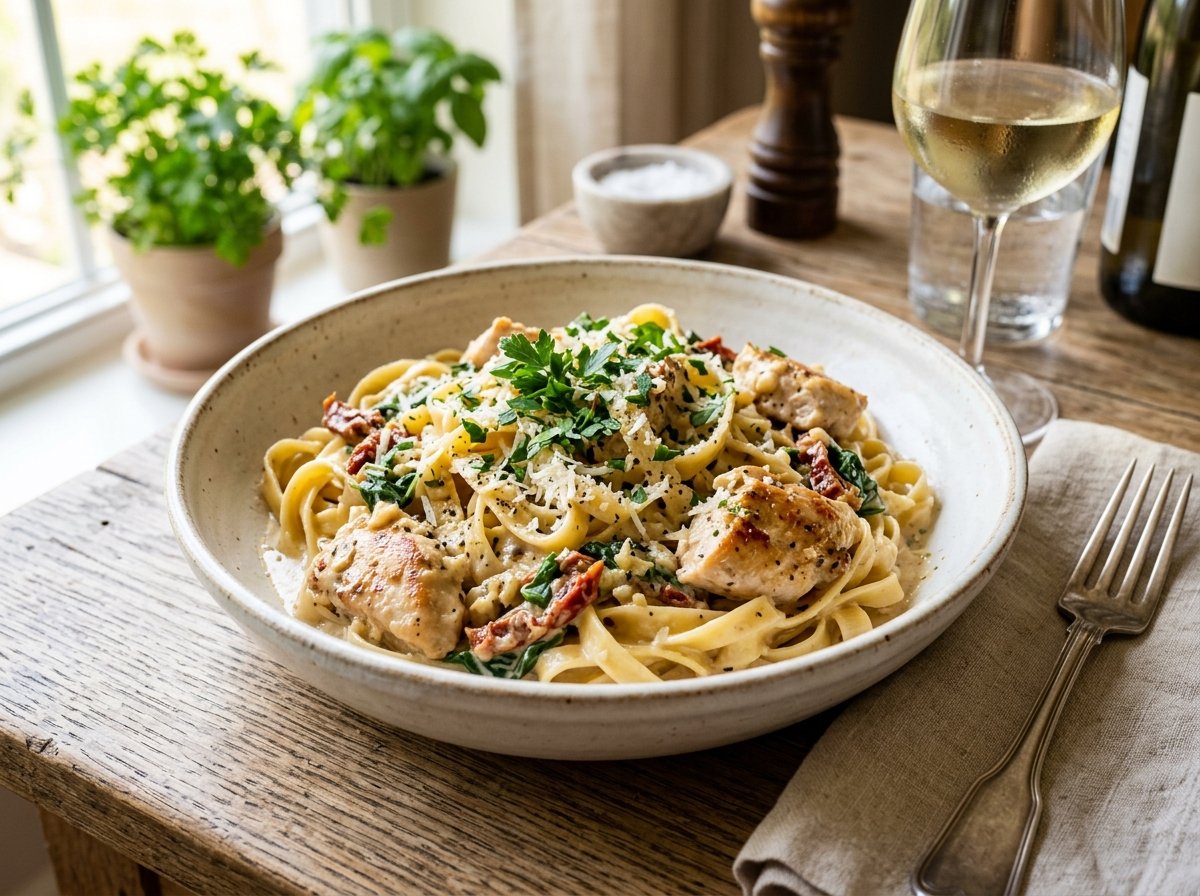
- Visual Stunner: The vibrant orange-pink hue of the sauce against the golden-brown chicken and green herbs makes this dish as photogenic as it is delicious.
Ingredient Notes
Rigatoni Pasta
- Purpose: The structural vehicle for the sauce. Its large tubes and ridges trap the creamy tomato mixture inside and out.
- Substitutions: Penne, ziti, or cavatappi work well. Avoid spaghetti or linguine as they lack the surface area to hold this thick sauce effectively.
- Buying Tips: Look for bronze-die cut pasta if possible; the rougher surface grabs sauce better than smooth Teflon-extruded varieties.
- Storage Tips: Store in a cool, dry pantry. Once opened, transfer to an airtight container to prevent moisture absorption and staleness.
Chicken Breast

- Purpose: Lean protein that provides substance and savory flavor.
- Substitutions: Chicken thighs (more forgiving, richer flavor), turkey breast, or shrimp (reduce cook time significantly).
- Buying Tips: Choose uniform-sized breasts for even dicing. If buying pre-cut stir-fry strips, ensure they aren’t treated with excessive sodium solutions.
- Storage Tips: Freeze individual portions in ziplock bags for quick thawing. Use within 2 days of purchase if refrigerated.
Cherry Tomatoes
- Purpose: Provides fresh acidity, sweetness, and color. They break down partially to form the sauce base while retaining some texture.
- Substitutions: Grape tomatoes (similar profile), halved Roma tomatoes (add 5 mins cook time), or high-quality canned diced tomatoes (drain excess liquid).
- Buying Tips: Choose firm, glossy tomatoes with no wrinkles or soft spots. Smell them; they should have a distinct vine-like aroma.
- Storage Tips: Store at room temperature, not in the fridge. Cold temperatures destroy flavor compounds and make texture mealy.
Heavy Cream
- Purpose: Creates the luxurious mouthfeel and stabilizes the tomato acid. Essential for the “creamy” designation.
- Substitutions: Half-and-half (lighter, may need reduction), coconut cream (dairy-free alternative), or evaporated milk (less rich but stable).
- Buying Tips: Check expiration dates carefully. Cream spoils faster than milk. Avoid “ultra-pasteurized” if possible; it resists curdling but has a cooked flavor.
- Storage Tips: Refrigerate immediately. Do not freeze; separation occurs upon thawing.
Garlic & Parmesan Cheese
- Purpose: Aromatic foundation and salty, nutty finish. Garlic blooms in oil; parmesan adds umami and thickness.
- Substitutions: Shallots (milder than garlic), Pecorino Romano (saltier, sharper), or nutritional yeast (vegan option).
- Buying Tips: Crucial: Buy block parmesan and grate fresh. Pre-grated cheese contains cellulose anti-caking agents that prevent smooth melting and cause graininess.
- Storage Tips: Wrap parmesan block in parchment paper, then foil. Garlic keeps months in cool, dark place. Grate cheese just before use.
Kitchen Equipment
- Large Deep Skillet or Dutch Oven: Must be wide enough to fit pasta horizontally and deep enough to hold liquid without splashing. Cast iron or stainless steel preferred for even heat.
- Sharp Chef’s Knife: For uniform chicken dicing. Consistent size = even cooking.
- Cutting Board: Stable surface for safe knife work.
- Wooden Spoon or Silicone Spatula: For scraping fond and stirring without scratching pan.
- Measuring Cups/Spoons: Precision matters for liquid ratios in one-pot cooking.
- Lid for Skillet: Essential for steaming pasta and trapping moisture. Glass lid preferred for monitoring.
- Tongs: For flipping chicken and tossing pasta safely.
Step-by-Step Instructions
H3: Step 1 – Sear the Chicken
Heat 2 tbsp olive oil in your large skillet over medium-high heat. Season diced chicken generously with salt, pepper, and paprika. Add to hot pan in a single layer. Cook undisturbed for 3-4 minutes until golden brown. Flip and cook 2-3 minutes more until cooked through (165°F internal). Remove chicken to a plate; leave drippings in pan.
- Why this matters: High heat creates Maillard reaction (browning) which equals flavor. Removing chicken prevents overcooking while sauce builds. Drippings contain dissolved proteins essential for sauce depth.
- Visual Cue: Chicken should have deep golden-brown crust, not pale gray. Pan should show browned bits (fond) on bottom.
- Aroma Cue: Savory, toasted protein smell. Burnt odor = heat too high; reduce immediately.
- Common Mistake: Crowding the pan. Overlapping chicken steams instead of sears. Cook in batches if necessary.
- Professional Tip: Pat chicken completely dry before seasoning. Moisture is the enemy of browning.
H3: Step 2 – Bloom the Garlic & Tomatoes
Reduce heat to medium. Add minced garlic to the same pan (with chicken drippings). Sauté 30 seconds until fragrant. Add halved cherry tomatoes. Cook 3-4 minutes, stirring occasionally, until tomatoes soften and release their juices. Scrape up any fond from the bottom with your spoon.
- Why this matters: Garlic burns instantly in hot oil; reducing heat protects it. Softening tomatoes breaks down cell walls, releasing pectin and acids that form the sauce base. Deglazing incorporates fond into the liquid.
- Texture Cue: Tomatoes should look wrinkled and glossy, not raw and firm. Liquid should pool in pan.
- Color Cue: Vibrant red intensifies as water evaporates. Garlic turns pale gold, not brown.
- Common Mistake: Burning garlic. If it browns too fast, remove pan from heat for 30 seconds before continuing.
- Professional Tip: Don’t rush this step. Properly broken-down tomatoes create a smoother sauce than rushed ones.
H3: Step 3 – Toast & Simmer the Pasta
Add dry rigatoni directly to the pan with tomatoes. Stir to coat pasta in oil/tomato mixture for 1 minute. Pour in 3 cups chicken broth (or water). Bring to a vigorous boil, then reduce to simmer. Cover with lid. Cook 12-15 minutes, stirring every 3-4 minutes to prevent sticking, until pasta is al dente and most liquid is absorbed.
- Why this matters: Toasting pasta seals surface slightly, preventing mushiness. Cooking in broth infuses flavor throughout the noodle. Stirring redistributes starch and prevents scorching. Lid traps steam for even cooking.
- Visual Cue: Liquid level drops visibly. Pasta swells and becomes opaque. Sauce thickens around noodles.
- Texture Cue: Pasta should yield to bite but still have slight resistance (al dente). Not crunchy, not soft.
- Common Mistake: Not stirring frequently. Starchy pasta sinks and sticks to bottom. Set a timer!
- Professional Tip: If liquid absorbs too fast before pasta is done, add ½ cup hot water/broth. Never add cold liquid; it shocks the pasta and stops cooking.
H3: Step 4 – Finish with Cream & Cheese
Remove lid. Return cooked chicken to pan. Reduce heat to LOW. Pour in ¾ cup heavy cream. Stir gently to combine. Remove pan from heat entirely. Immediately add ½ cup freshly grated parmesan. Stir vigorously until melted and glossy. Taste and adjust salt/pepper. Garnish with fresh parsley.
- Why this matters: Low heat prevents cream from breaking/separating. Removing from heat before adding cheese prevents graininess. Residual heat melts cheese smoothly. Final seasoning balances flavors reduced during cooking.
- Visual Cue: Sauce transforms from watery-red to opaque pink-orange. Cheese disappears into glossy emulsion. No white streaks.
- Texture Cue: Silky, coating consistency. Should cling to pasta, not pool at bottom.
- Aroma Cue: Rich dairy sweetness balanced by tomato tang. Cheesy, garlicky warmth.
- Common Mistake: Boiling after adding cream. High heat causes curdling. Always finish OFF heat.
- Professional Tip: If sauce seems thin, let it sit off-heat 2 minutes. Starch continues to hydrate and thicken as it cools slightly.
Expert Tips for Perfect Sauce & Texture
- Salt Your Broth: Since pasta absorbs liquid, your cooking liquid MUST be well-seasoned. Under-salted broth = bland pasta regardless of finishing sauce. Aim for seawater salinity (1 tbsp kosher salt per quart).
- Cheese Temperature Matters: Cold cheese shocks hot sauce. Let grated parmesan sit at room temp 10 minutes before adding. It integrates seamlessly vs. clumping.
- The “Nappe” Test: When checking sauce thickness, drag spoon across bottom. Trail should hold shape briefly before filling back in. Too thin? Simmer uncovered 2 mins. Too thick? Splash of pasta water.
- Acid Balance: Tomatoes vary in acidity. Before adding cream, taste the tomato-pasta mixture. If sharp, add pinch of sugar. If flat, splash of vinegar or lemon juice wakes it up.
- Rest Before Serving: Let pasta sit off-heat 3-5 minutes before plating. This allows starches to fully set, sauce to thicken further, and flavors to meld. Hot pasta always tastes less seasoned than rested pasta.
- Garnish Fresh Herbs Last: Parsley added during cooking turns slimy and loses color. Always add raw, chopped herbs right before serving for brightness and visual pop.
Common Mistakes to Avoid
- Boiling Cream: Causes separation and grainy texture. Fix: Always add cream off-heat or on lowest setting. Never let it bubble.
- Using Pre-Grated Cheese: Anti-caking agents prevent smooth melt. Fix: Grate block parmesan fresh. Worth the 30-second effort.
- Skipping the Stir: Pasta sticks and scorches. Fix: Set phone timer for every 3 minutes during simmer. Non-negotiable.
- Overcooking Pasta: Mushy noodles ruin texture. Fix: Start tasting at 10 minutes. Al dente is key; residual heat finishes cooking.
- Adding Cold Liquid: Stops cooking process, creates gummy texture. Fix: Always use hot broth/water for adjustments.
- Crowding the Pan Initially: Steamed chicken lacks flavor. Fix: Sear in batches if needed. Fond is flavor gold.
- Ignoring Heat Levels: High heat burns garlic/cream; low heat won’t cook pasta. Fix: Adjust dynamically. Medium-high for sear, medium for tomatoes, simmer for pasta, LOW/off for finish.
Recipe Variations

- Spicy Arrabbiata Twist: Add 1 tsp red pepper flakes with garlic. Use spicy Italian sausage instead of chicken. Calabrian chili paste for authentic heat.
- Vegetarian Primavera: Omit chicken. Add zucchini, bell peppers, and spinach with tomatoes. Use vegetable broth. Increase cheese for protein.
- Vegan Dairy-Free: Swap cream for full-fat coconut milk or cashew cream. Use vegan parmesan or nutritional yeast. Olive oil instead of butter if used.
- Seafood Luxe: Replace chicken with shrimp/scallops. Add in last 3 minutes of pasta cook time. White wine instead of broth for elegance.
- Low-Carb/Keto: Substitute rigatoni with hearts of palm pasta or shirataki noodles. Reduce broth to 1 cup. Increase cream/cheese ratio. Verify carb counts.
- High-Protein Power: Use chicken thighs + add white beans to sauce. Swap half pasta for lentil/chickpea pasta. Boosts fiber and protein significantly.
- Herb Garden Fresh: Add basil, oregano, and thyme with tomatoes. Finish with pesto swirl instead of plain cream. Bright, summery profile.
- Bacon Carbonara Style: Add crispy bacon bits with chicken. Use egg yolk + cream mixture off-heat for richer emulsion. Black pepper heavy.
What to Serve With This Recipe
Balance the rich, creamy pasta with fresh, acidic, or crunchy sides:
- Garlic Bread or Focaccia: Essential for mopping up leftover sauce. Crispy texture contrasts creamy pasta.
- Arugula Salad with Lemon Vinaigrette: Peppery greens and sharp acid cut through richness perfectly. Simple, refreshing palate cleanser.
- Roasted Broccolini: Charred bitter greens complement sweet-tomato cream. Adds fiber and color contrast.
- Caprese Salad: Fresh mozzarella, tomato, basil echoes Italian profile while providing cool, light contrast.
- Sparkling Water with Lime: Cleanses palate between rich bites better than still water or sweet soda.
- Pinot Grigio or Chardonnay: Crisp white wine with good acidity complements cream and tomato. Avoid heavy reds.
- Tiramisu or Panna Cotta: Light, creamy desserts continue Italian theme without overwhelming already-rich meal.
Make Ahead & Meal Prep Tips
- Mise en Place: Dice chicken, halve tomatoes, mince garlic, grate cheese ahead. Store separately in fridge up to 24 hours. Assembly/cooking takes 20 mins once prepped.
- Sauce Base Prep: Cook chicken, garlic, tomatoes ahead. Cool and store. When ready, add broth/pasta and proceed. Saves active time.
- Leftover Transformation: Day-old pasta reheats well. Add splash of water/milk before reheating to restore creaminess. Flavors often improve overnight.
- Freezing Caution: Cream-based sauces separate when frozen. Not recommended. If necessary, freeze BEFORE adding cream/cheese. Thaw, reheat, then finish with dairy.
- Batch Cooking: Double recipe easily. Use larger pot. Note: Pasta may need extra liquid and longer cook time. Stir more frequently.
Storage & Reheating Instructions
Storage
- Refrigerator: Store in airtight container up to 3-4 days. Pasta absorbs sauce over time; this is normal.
- Freezer: Not recommended for finished dish. Cream separates. Freeze components separately if needed (see above).
Reheating
- Stovetop (Best): Medium-low heat in skillet. Add 2-3 tbsp water/milk/cream. Cover, stir frequently until warmed through. Restores original texture perfectly.
- Microwave (Convenient): Medium power in 30-sec intervals. Stir between each. Sprinkle water before heating. Prevents rubbery pasta.
- Oven: 350°F in covered baking dish. Add splash liquid. 15-20 mins. Good for large batches. Less control than stovetop.
- Air Fryer: Not recommended. Dries out pasta. Use only for reheating bread/garlic knots alongside.
Nutritional Information
Estimates per serving (based on standard portion):
- Calories: 620 kcal
- Protein: 38g
- Carbohydrates: 58g
- Fat: 26g
- Fiber: 3g
- Sugar: 6g
- Sodium: 780mg
Note: Values vary based on chicken size, cheese amount, broth sodium, and exact pasta brand. Always check labels for precise tracking.
Troubleshooting Guide
| Problem | Cause | Solution |
|---|---|---|
| Sauce Too Thin/Watery | Insufficient reduction or too much liquid. | Simmer uncovered 3-5 mins. Add grated cheese off-heat. Starch thickens as it cools. |
| Sauce Grainy/Curdled | Heat too high when adding dairy. | Remove from heat. Whisk in 1 tbsp cold cream/water vigorously. Strain if necessary. |
| Pasta Sticky/Gummy | Didn’t stir enough or overcooked. | Rinse briefly with hot water (last resort). Next time: stir every 3 mins, taste early. |
| Chicken Dry/Tough | Overcooked during sear or simmer. | Cut smaller next time. Pull at 160°F; carryover reaches 165°F. Add back at END only. |
| Bland Flavor | Under-salted broth or insufficient reduction. | Season aggressively at each stage. Reduce sauce longer to concentrate flavors. Finish with acid/salt. |
| Burnt Bottom | Heat too high or didn’t stir. | Lower heat immediately. Transfer unburnt portion to new pan. Deglaze burnt pan with water to salvage fond. |
Frequently Asked Questions
1. Can I use whole wheat or gluten-free pasta? Yes, but adjust liquid and time. Whole wheat absorbs more liquid; add ½ cup extra broth. GF pasta often gets mushy faster; start tasting at 8 minutes. Both benefit from frequent stirring.
2. Why did my sauce separate/oil pool on top? Heat was too high when adding cream/cheese, or cheese was pre-grated. Emulsions break under stress. Fix: Remove from heat, whisk in cold liquid splash. Prevent: Low heat + fresh cheese.
3. Can I make this vegetarian without losing protein? Absolutely. Use firm tofu cubes (pressed, pan-fried like chicken) or chickpeas. Add hemp seeds or nutritional yeast for umami/protein boost. Vegetable broth replaces chicken broth seamlessly.
4. How do I prevent pasta from sticking during simmer? Stir every 3-4 minutes without fail. Ensure enough liquid covers pasta initially. If sticking starts, add ¼ cup hot liquid immediately and scrape bottom vigorously. Prevention > cure.
5. Is heavy cream mandatory? For authentic texture, yes. Half-and-half works but yields thinner sauce (reduce longer). Coconut cream adds distinct flavor. Evaporated milk is lighter but stable. Avoid milk alone; it won’t thicken properly.
6. Can I add vegetables like spinach or peas? Yes! Add delicate greens (spinach/arugula) in last 2 minutes off-heat. Harder veggies (peas/corn) with tomatoes. Roasted veggies post-cook maintain texture best. Avoid watery veggies (zucchini) unless pre-roasted.
7. Why does leftover pasta taste less seasoned? Starch continues absorbing salt/flavor as it sits. Reheat with splash of seasoned liquid (broth/water + pinch salt). Fresh garnish (herbs/cheese) upon serving restores brightness.
8. Can I use canned tomatoes instead of fresh? Yes. Use 1 can (14oz) diced tomatoes, drained. Fresh cherry tomatoes provide superior texture/sweetness, but canned works in off-season. Reduce added liquid by ½ cup since canned tomatoes release more water.
Final Thoughts
Creating the perfect Creamy Tomato Chicken Pasta is about trusting the process and respecting each ingredient’s role. The sizzle of searing chicken, the burst of tomatoes, the rhythmic stirring of pasta—these sensory cues guide you to success. This recipe proves that exceptional comfort food doesn’t require fancy techniques or expensive ingredients. Just patience, attention, and a willingness to embrace the beautiful messiness of one-pan cooking.