Quick Recipe Summary
| Feature | Details |
|---|---|
| Prep Time | 10 Minutes |
| Cook Time | 8–12 Minutes |
| Total Time | 20–25 Minutes |
| Servings | 2 |
| Cuisine | American / Seafood |
| Course | Main Course, Dinner |
| Difficulty | Intermediate |
| Calories | ~320 kcal per serving (tails only) |
Table of Contents
- Introduction
- Why This Recipe Works
- Why You’ll Love This Recipe
- Ingredient Notes
- Kitchen Equipment
- Preparation Information
- Step-by-Step Instructions
- Expert Tips
- Common Mistakes
- Recipe Variations
- What to Serve With This Recipe
- Make Ahead & Meal Prep Tips
- Storage & Reheating Instructions
- Nutritional Information
- Troubleshooting Guide
- Frequently Asked Questions
- Final Thoughts
Introduction

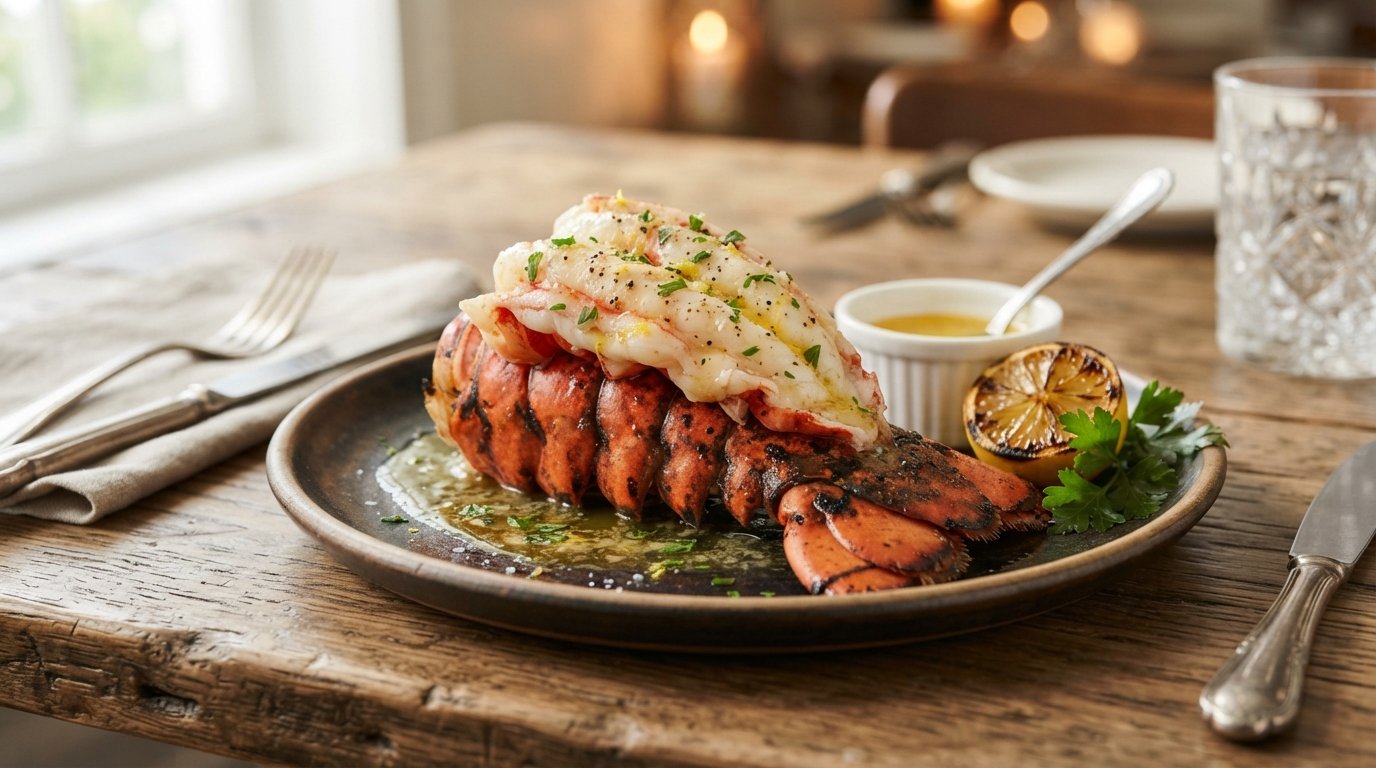
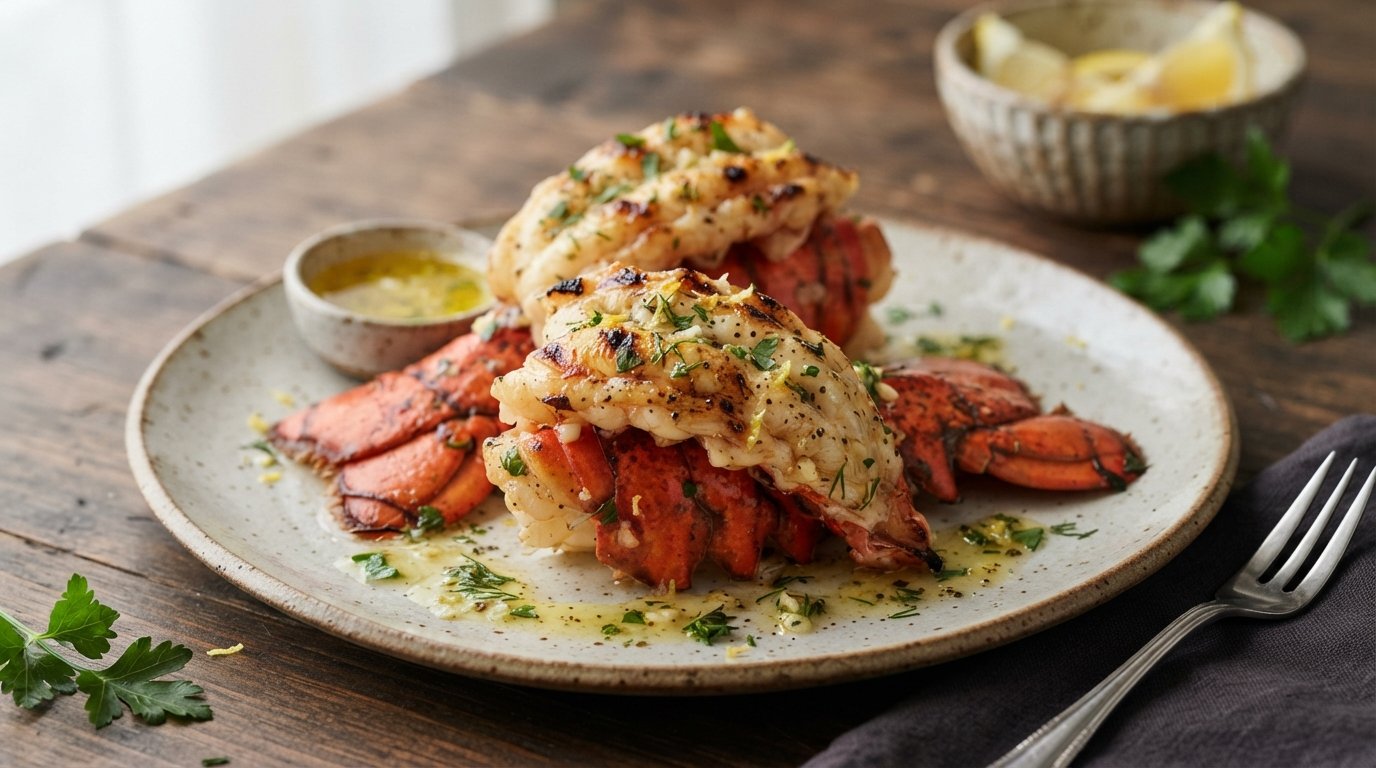
There is a distinct thrill in preparing seafood that feels both luxurious and primal. Few dishes capture this duality quite like grilled lobster tails with lemon herb butter. The image of bright red shells sizzling over open flames, the meat turning from translucent to opaque white, and the final baste of foaming garlic-parsley butter creates a sensory experience that rivals any fine dining establishment. Yet, despite its reputation for intimidation, this dish is remarkably simple when you understand the mechanics of heat and protein.
This recipe strips away the complexity often associated with lobster preparation. By focusing on high-quality ingredients and precise technique—specifically the butterfly cut and the two-stage cooking method—we ensure tender, succulent meat every time. The grill imparts a smoky char that contrasts beautifully with the sweet, delicate flavor of the lobster, while the lemon herb butter adds richness and acidity that elevates the natural taste of the shellfish. Whether you are celebrating an anniversary, hosting a summer cookout, or simply treating yourself to a spectacular weeknight dinner, this guide will give you the confidence to master the grill and serve a restaurant-quality masterpiece at home.
Why This Recipe Works
The success of these grilled lobster tails hinges on three critical factors: surface area, temperature control, and fat integration. First, the butterfly cut is non-negotiable. By slicing through the top shell and spreading the tail open, we expose the maximum amount of meat to direct heat. This ensures even cooking and allows the seasoning and butter to penetrate the flesh rather than just sitting on the shell. Without this step, the meat would steam inside the shell, resulting in a rubbery texture and bland flavor.
Second, the two-stage cooking method prevents the most common pitfall: overcooking. Lobster meat is incredibly lean and proteins coagulate rapidly. We start by grilling flesh-side down to sear the exterior and lock in moisture, creating beautiful grill marks. Then, we flip to shell-side down to finish cooking gently through indirect heat. Finally, the addition of lemon herb butter isn’t just for flavor; the fat coats the protein strands, preventing them from tightening too aggressively and keeping the texture yielding and moist. The acid from the lemon also balances the richness of the butter and the sweetness of the lobster, creating a perfectly harmonized bite.
Why You’ll Love This Recipe
- Restaurant Quality at Home: Achieves the same tender texture and smoky flavor as high-end steakhouses for a fraction of the price.
- Fast & Impressive: Ready in under 30 minutes, making it perfect for date nights or special occasions without spending hours in the kitchen.
- Customizable Flavor Profile: The base lemon herb butter is a canvas; easily adapt with chili flakes, Old Bay, or different fresh herbs.
- Low Carb & Keto Friendly: Naturally gluten-free and low in carbohydrates, fitting seamlessly into restrictive diets without sacrificing indulgence.
- Visual Drama: The vibrant red shell against charred grill marks and glistening butter makes for stunning presentation straight from the grill.
Ingredient Notes
Lobster Tails (Cold Water Preferred)
- Purpose: The star protein. Cold water tails (Maine, Canadian) have firmer, sweeter meat compared to warm water varieties which can be mushy.
- Buying Tip: Look for “cold water” labeling. Avoid tails with black spots on the shell (sign of disease) or ammonia smell. Frozen tails are often fresher than “fresh” counter tails that have been thawed days ago.
- Size: 6–8 oz tails are ideal for grilling. Larger tails (10+ oz) take longer and risk drying out; smaller ones cook too fast.
- Thawing: Thaw slowly in the refrigerator for 24 hours. Never microwave or use hot water, as this begins cooking the protein prematurely.
Unsalted Butter
- Purpose: Basting medium and flavor carrier. Fat conducts heat evenly and keeps meat moist.
- Why Unsalted? Lobster is naturally saline. Salted butter makes controlling sodium levels impossible. You can always add salt later; you can’t remove it.
- Quality: Use European-style butter (higher fat content, lower water) for better basting and richer flavor.
- Substitution: Ghee works well for higher smoke point if grilling very hot, but lacks the milky solids that brown and add nutty flavor.
Fresh Lemon Juice & Zest
- Purpose: Acid cuts through fat and brightens seafood flavor. Zest contains essential oils that provide aroma without bitterness.
- Freshness is Key: Bottled juice has a metallic, preservative-heavy taste that clashes with delicate lobster. Always squeeze fresh.
- Technique: Zest before juicing. Add zest to melted butter off-heat to preserve volatile oils. Squeeze juice into butter just before basting to prevent curdling.
- Substitution: Lime offers a tropical twist; white wine vinegar provides acidity if citrus is unavailable (though less ideal).
Fresh Parsley & Garlic
- Purpose: Herbaceous freshness and savory depth. Parsley’s mild flavor complements rather than overpowers lobster.
- Garlic Prep: Mince finely or grate. Large chunks burn instantly on the grill. Adding garlic to butter off direct flame prevents burning.
- Fresh vs. Dried: Fresh parsley is mandatory. Dried parsley tastes like dust and lacks the grassy brightness needed here. Dried garlic powder is acceptable if fresh isn’t available, but reduce quantity significantly.
- Alternative Herbs: Chives, tarragon, or dill work beautifully. Avoid woody herbs like rosemary unless infused in butter beforehand and strained.
Lemon Pepper Seasoning (Optional)
- Purpose: Quick seasoning boost visible in video. Adds citrus zest and pepper heat in one step.
- Caution: Many commercial blends contain excessive salt and MSG. Taste before adding extra salt to the lobster.
- Homemade Alternative: Mix fresh lemon zest, cracked black pepper, and a pinch of sea salt for superior flavor control.
- Application: Sprinkle lightly on exposed meat after butterflying. Don’t over-season; let the lobster shine.
Kitchen Equipment

- Charcoal or Gas Grill: Essential for smoky flavor and high heat. Charcoal preferred for authentic taste; gas convenient for temperature control.
- Cast Iron Skillet: For melting butter safely on grill grates without flare-ups. Also useful for finishing tails if grill runs cool.
- Sharp Chef’s Knife or Kitchen Shears: Critical for clean butterfly cuts. Dull knives crush shell and tear meat.
- Tongs: Long-handled for safe handling over flames. Silicone tips protect shell integrity.
- Basting Brush: Silicone or natural bristle for applying butter evenly.
- Instant-Read Thermometer: The only reliable way to check doneness. Visual cues can be deceiving.
- Cutting Board: Stable surface for prep. Plastic easier to sanitize after raw seafood contact.
Preparation Information
- Prep Time: 10 Minutes (Butterflying, seasoning, butter prep)
- Cook Time: 8–12 Minutes (Grilling + basting)
- Total Time: 20–25 Minutes
- Servings: 2 (One 6-8 oz tail per person)
Step-by-Step Instructions
H3: Butterfly the Lobster Tails
Place tail flat-side down on cutting board. Using sharp knife or shears, cut lengthwise through center of top shell, stopping at tail fan. Do NOT cut through bottom shell. Push shell halves apart gently. Lift meat up and rest it on top of split shell. Secure with skewer through base of tail if meat curls excessively.
- Why it matters: Exposes meat for even cooking and seasoning absorption. Prevents curling which leads to uneven doneness.
- Visual Cue: Meat should sit proudly atop shell, fully exposed. Shell split cleanly without shattering.
- Texture Cue: Meat feels firm but pliable. No tearing or crushing.
- Common Mistake: Cutting all the way through bottom shell. Tail falls apart on grill. Stop knife/shars at membrane.
- Pro Tip: If meat resists lifting, make shallow cuts along sides of meat where it attaches to shell. This releases tension.
H3: Season and Prep Butter
Pat lobster meat dry with paper towels. Moisture prevents searing. Lightly season exposed meat with lemon pepper, salt, and cracked black pepper. In cast iron skillet placed on cooler part of grill (or stovetop), melt butter over LOW heat. Stir in minced garlic, lemon zest, and chopped parsley. Remove from direct heat immediately to prevent garlic burning. Keep warm.
- Why it matters: Dry surface = better sear. Low heat preserves garlic flavor and prevents bitter burnt bits.
- Aroma Cue: Fragrant garlic and citrus without acrid burnt smell.
- Visual Cue: Butter foaming gently, not browning aggressively. Herbs vibrant green, not darkened.
- Safety Note: Butter ignites easily over open flame. Always melt in pan on indirect heat or side burner.
H3: Grill Flesh-Side Down First
Preheat grill to HIGH (450-500°F / 230-260°C). Clean and oil grates thoroughly. Place tails flesh-side down directly over heat. Cook 4-5 minutes WITHOUT MOVING. Look for opaque white color creeping up sides of meat and distinct grill marks forming.
- Why it matters: Direct contact creates Maillard reaction (sear/flavor). Moving too early tears meat and prevents crust formation.
- Visual Cue: Bottom ⅓ of meat turns opaque white. Grill marks appear dark brown/black.
- Texture Cue: Surface feels firm to touch, not squishy.
- Critical Rule: DO NOT FLIP YET. Premature flipping = sticking and lost juices. Wait for natural release.
H3: Flip and Baste to Finish
Flip tails carefully using tongs (shell-side down now). Move to INDIRECT heat if grill is scorching. Immediately spoon warm lemon herb butter generously over exposed meat. Close lid. Cook 3-5 more minutes, basting every minute with remaining butter. Done when internal temp reaches 140°F (60°C) and meat is fully opaque.
- Why it matters: Shell protects meat from direct flame during finish. Basting continuously coats protein with fat/acid, preventing dryness. Lid traps heat for even cooking.
- Visual Cue: Meat completely white/opaque. Shell bright red-orange. Butter bubbling vigorously on meat.
- Aroma Cue: Sweet seafood, smoky char, and garlicky butter perfume the air.
- Doneness Test: Thermometer reads 140°F. Meat springs back when pressed gently. Opaque throughout with no translucent centers.
- Resting: Remove from grill. Tent loosely with foil. Rest 2-3 minutes. Juices redistribute; carryover cooking brings temp to safe 145°F.
Expert Tips
- Skewer Strategically: Insert wooden skewer horizontally through base of tail (where shell meets body) BEFORE grilling. This prevents the classic “curl-up” that leaves ends undercooked and center overdone. Soak skewers 30 mins first to prevent burning.
- Oil Grates Aggressively: Lobster sticks notoriously. Fold paper towel, soak in high-smoke-point oil (avocado/grapeseed), grip with tongs, and rub grates vigorously while hot. Repeat right before placing tails.
- Butter Temperature Control: Keep butter WARM, not HOT. Hot butter cooks garlic instantly. Warm butter melts into meat without shocking protein. Use skillet on side burner or indirect zone.
- Don’t Over-Baste Early: First baste happens AFTER flipping. Basting flesh-side down washes away seasoning and causes flare-ups. Save butter for shell-side phase.
- Thermometer is Non-Negotiable: Lobster goes from perfect to rubbery in 60 seconds. 140°F pull temp is gospel. Carryover heat finishes it safely. Guesswork leads to disappointment.
- Serve Immediately: Lobster waits for no one. Have plates warmed, sides ready, guests seated. Rest 2-3 mins max, then serve. Texture degrades rapidly as it cools.
Common Mistakes
- Rubbery/Tough Meat: Overcooked. Fix: Pull at 140°F. Use thermometer. Reduce grill temp if charring too fast. Remember carryover cooking.
- Stuck to Grate: Insufficient oil or moved too soon. Fix: Oil grates heavily. Wait for natural release (meat releases when seared properly). Use fish spatula if needed.
- Burnt Garlic Butter: Heat too high or added too early. Fix: Melt butter on INDIRECT heat. Add garlic OFF direct flame. Keep butter warm, not sizzling.
- Uneven Cooking/Curled Tail: Didn’t skewer or butterfly properly. Fix: Skewer base before grilling. Make relief cuts if meat resists laying flat.
- Bland Flavor: Under-seasoned or skipped basting. Fix: Season meat directly. Baste FREQUENTLY during shell-side cook. Butter carries flavor INTO meat.
- Flare-Ups: Butter dripping onto flames. Fix: Move to indirect heat when basting. Have spray bottle of water ready. Trim excess fat from tail base.
Recipe Variations
- Spicy Cajun Twist: Replace lemon pepper with Cajun seasoning. Add cayenne and paprika to butter. Finish with hot sauce drizzle. Pairs with cornbread.
- Asian Fusion: Substitute butter with sesame-ginger glaze (soy, ginger, garlic, sesame oil). Garnish with scallions and toasted sesame seeds. Serve with bok choy.
- Herbes de Provence: Swap parsley for herbes de Provence blend. Add lavender note. Elegant, floral profile. Perfect with roasted potatoes.
- Vegan Adaptation: Use high-quality vegan butter. Nutritional yeast adds umami. Kelp granules mimic oceanic flavor. Still delicious, though texture differs.
- Extra Rich decadence: Add crème fraîche or heavy cream to butter sauce. Creates luxurious emulsion. Indulgent but heavier. Balance with acidic salad.
- Low-Carb/Keto: Already compliant! Skip sugary glazes. Serve with cauliflower mash or zucchini noodles instead of rice/potatoes.
- Surf & Turf: Pair with filet mignon. Grill steak simultaneously. Compound butter works for both proteins. Ultimate luxury meal.
- Smoked Paprika Butter: Add smoked paprika to butter. Enhances grill smokiness. Deep, complex flavor. Excellent with sweet potato sides.
What to Serve With This Recipe

- Garlic Mashed Potatoes: Creamy, comforting starch soaks up extra butter. Classic pairing that never fails.
- Grilled Asparagus: Charred veggies complement smoky lobster. Toss with olive oil, salt, lemon. Cook alongside tails.
- Corn on the Cob: Sweet crunch contrasts rich seafood. Grill in husk or foil. Brush with same herb butter.
- Arugula Salad with Shaved Parmesan: Peppery greens cut through richness. Lemon vinaigrette echoes citrus notes.
- White Wine (Chardonnay or Sauvignon Blanc): Crisp acidity cleanses palate. Buttery Chard matches sauce; crisp Sauvignon highlights lobster sweetness.
- Drawn Butter Cup: Extra melted butter for dipping. Purist approach. Essential for traditionalists.
Make Ahead & Meal Prep Tips
- Butterfly Ahead: Prep tails up to 4 hours ahead. Keep refrigerated on ice. Bring to room temp 15 mins before grilling. Cold tails cook unevenly.
- Compound Butter Prep: Make herb butter up to 3 days ahead. Store in fridge. Re-warm gently before basting. Flavors meld and improve.
- Seasoning Mix: Pre-mix dry spices. Store in airtight container. Saves time during active cooking.
- Grill Setup: Clean and oil grates 30 mins before cooking. Have tools, butter, thermometer staged. Mise en place prevents scrambling.
- Side Dishes: Prepare mashed potatoes, salads, or grilled veggies ahead. Reheat or assemble while lobster rests. Timing is everything.
Storage & Reheating Instructions
Storage
- Refrigerator: Store cooked lobster meat (removed from shell) in airtight container up to 3 days. Shell-on storage dries out meat faster.
- Freezer: Freeze cooked meat in broth or butter up to 3 months. Prevents freezer burn. Thaw overnight in fridge.
- Raw Tails: Freeze raw tails up to 6 months. Wrap tightly in plastic, then foil. Label with date. Thaw in fridge 24 hrs before use.
Reheating
- Oven (Best): 300°F (150°C) in baking dish with splash of broth/butter. Cover with foil. Heat 8-10 mins until 140°F internally. Gentle warmth preserves texture.
- Steaming: Place in steamer basket over simmering water 3-5 mins. Moist heat prevents drying. Best for shell-on leftovers.
- Sous Vide: 135°F (57°C) bath for 15-20 mins. Precision reheating maintains perfect texture. Requires equipment.
- Microwave (Last Resort): 30% power, 30-sec intervals. Cover with damp paper towel. Expect some texture loss. Use ONLY if no other option.
Nutritional Information
Estimates per serving (one 6-8 oz tail + 1 tbsp butter):
- Calories: 320
- Protein: 28g
- Carbohydrates: 2g
- Fat: 22g
- Fiber: 0g
- Sugar: 0g
- Sodium: 480mg
Note: Values vary based on tail size, butter quantity, and seasoning used.
Troubleshooting Guide
| Problem | Cause | Solution |
|---|---|---|
| Meat rubbery/tough | Overcooked | Pull at 140°F. Use thermometer. Reduce heat next time. Rest 2-3 mins. |
| Stuck to grill | Poor lubrication or premature flipping | Oil grates heavily. Wait for natural release. Use fish spatula. |
| Burnt garlic butter | Heat too high | Melt butter on indirect heat. Add garlic off-flame. Keep warm, not hot. |
| Tail curled unevenly | No skewer or improper butterfly | Skewer base before grilling. Make relief cuts if meat resists flattening. |
| Bland flavor | Under-seasoned or insufficient basting | Season meat directly. Baste frequently during shell-side cook. |
| Flare-ups | Butter dripping on flames | Move to indirect heat when basting. Trim excess fat. Have water spray ready. |
Frequently Asked Questions
1. How do I know when lobster is done without a thermometer? Look for fully opaque white meat with no translucent areas. Shell turns bright red-orange. Meat feels firm but yields slightly to pressure. Internal temp should be 140-145°F. When in doubt, USE THERMOMETER. Overcooking ruins expensive lobster instantly.
2. Can I grill frozen lobster tails? NO. Frozen tails cook unevenly—outside burns while inside remains icy. Thaw completely in refrigerator 24 hours before grilling. Pat VERY dry before seasoning. Moisture from thawing prevents proper searing.
3. Why did my lobster stick to the grill despite oiling? Three likely causes: 1) Grates weren’t hot enough when oiled. 2) Moved tails too soon. 3) Insufficient oil. Fix: Heat grates to HIGH before oiling. Wait for natural release (meat releases when seared properly). Oil generously with high-smoke-point oil.
4. Can I use warm water lobster tails? Technically yes, but cold water (Maine/Canadian) tails are superior. Warm water tails (Florida/Caribbean) have softer, sometimes mushy texture and less sweet flavor. Worth paying premium for cold water. Check packaging labeling carefully.
5. How do I prevent garlic from burning in the butter? Melt butter on INDIRECT heat or side burner. Add minced garlic AFTER removing pan from direct flame. Keep butter WARM, not sizzling. Garlic burns at 350°F; butter simmers at 212°F. Temperature control is key.
6. Can I broil these instead of grilling? Yes. Position rack 6 inches from broiler element. Broil flesh-side up 5-7 mins, watching closely. Baste halfway. Lacks smoky flavor but achieves similar texture. Great alternative if weather prohibits grilling.
7. What’s the best way to extract meat after cooking? Use kitchen shears to cut through softened shell along butterfly line. Gently pry shell open. Meat should lift out cleanly in one piece. If stuck, run thin knife between meat and shell membrane. Serve whole or slice crosswise.
8. Can I marinate lobster tails before grilling? Not recommended. Acidic marinades (lemon/vinegar) begin “cooking” protein chemically (ceviche effect), leading to mushy texture. Season just before grilling. Butter-baste DURING cooking for flavor infusion without texture damage.
9. How much lobster per person? One 6-8 oz tail per person is standard main course portion. For appetizer or surf & turf, 4-6 oz suffices. Larger tails (10+ oz) impressive but harder to cook evenly. Better to serve two smaller tails than one giant risky one.
10. Why is my lobster meat watery/mushy? Likely warm water variety or over-thawed. Cold water tails have firm texture. Avoid soaking tails in water. Thaw slowly in fridge. If using frozen, ensure rapid freezing process (IQF). Mushy texture indicates poor quality or improper handling.
Final Thoughts
Mastering grilled lobster tails with lemon herb butter is less about technical prowess and more about respecting the ingredient. This dish rewards patience, precision, and attention to detail. The moment you pull that perfectly opaque, butter-basted tail from the grill, the effort transforms into pure culinary joy. It’s a reminder that exceptional food doesn’t require complexity—just quality ingredients treated with care.