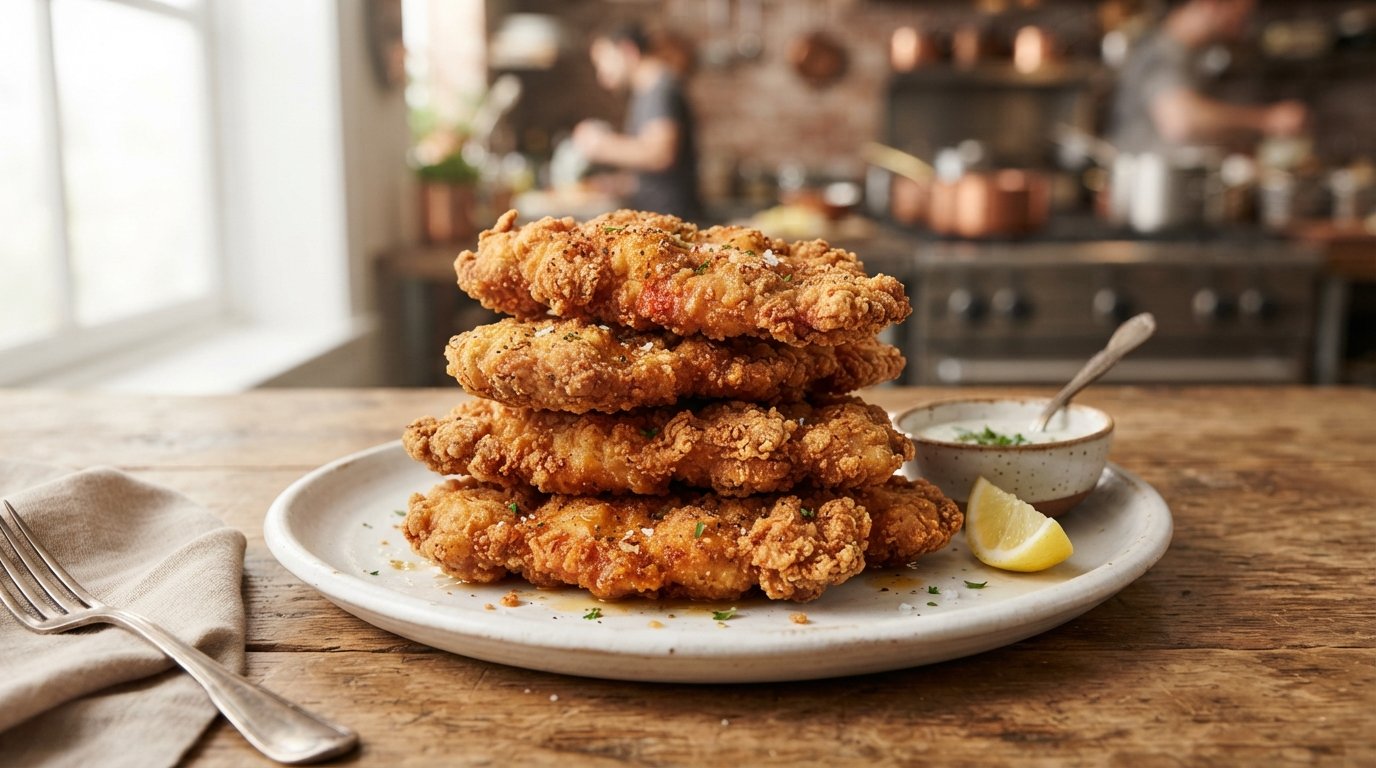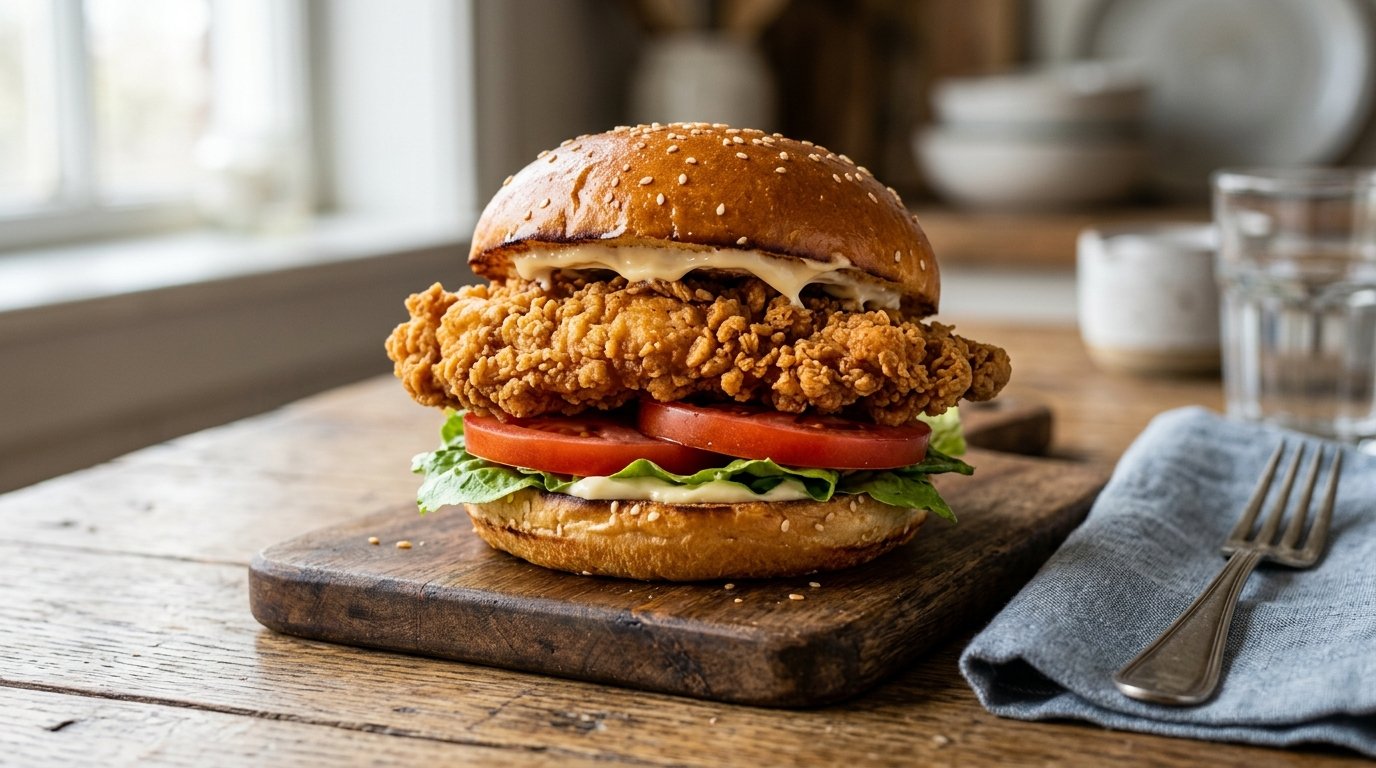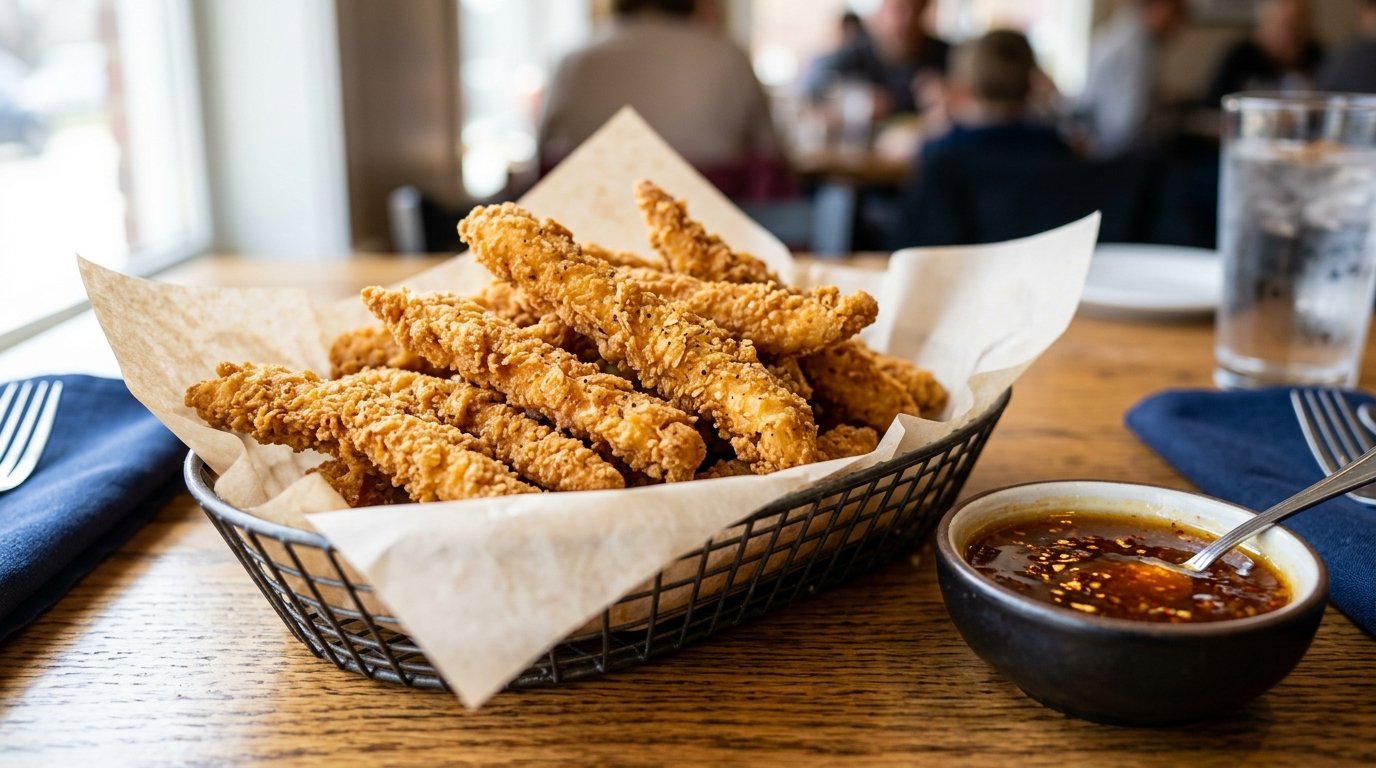
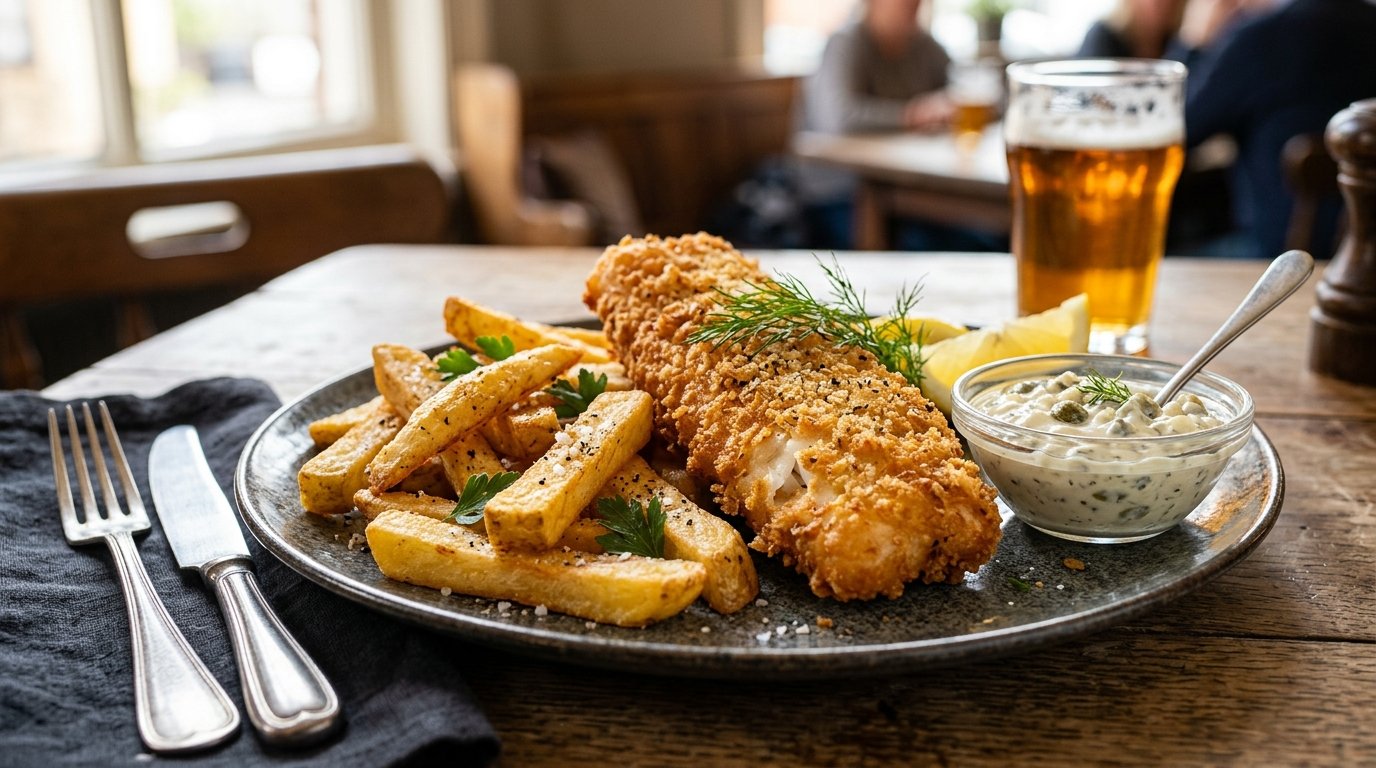
There is a distinct, nostalgic joy in biting into a piece of fish that shatters with an audible crunch before yielding to steaming, flaky white meat. For decades, achieving this texture required a deep fryer, gallons of oil, and the inevitable post-meal cleanup headache. But what if you could get that same pub-style satisfaction without the grease? This Crispy Baked Fish and Chips recipe is your answer. By utilizing a clever breading technique involving crushed crackers and a seasoned wet batter, we create a golden, textured crust that mimics the bite of traditional frying while keeping the cooking method entirely oven-based. Paired with homemade crinkle-cut fries and a zesty, herb-flecked tartar sauce, this meal transforms a classic takeaway favorite into a manageable, delicious weeknight dinner that feels like a special occasion.
Quick Recipe Summary
| Feature | Details |
|---|---|
| Prep Time | 20 minutes |
| Cook Time | 25–30 minutes |
| Total Time | 50 minutes |
| Servings | 4 people |
| Cuisine | British / American Comfort Food |
| Course | Main Course |
| Difficulty | Easy |
| Calories | Approx. 650 per serving |
Table of Contents
- Why This Recipe Works
- Why You’ll Love This Recipe
- Ingredient Notes
- Kitchen Equipment
- Step-by-Step Instructions
- Expert Tips for Maximum Crunch
- Common Mistakes to Avoid
- Recipe Variations
- What to Serve With Baked Fish and Chips
- Make Ahead & Meal Prep Tips
- Storage & Reheating Instructions
- Nutritional Information
- Troubleshooting Guide
- Frequently Asked Questions
- Final Thoughts
Why This Recipe Works

The secret to exceptional Crispy Baked Fish and Chips lies in the chemistry of the breading system. Traditional flour coatings often turn soggy in the oven because they lack structural integrity and fat content. This recipe solves that by using crushed savory crackers (like Ritz or saltines) as the outer layer. These crackers are already baked and contain fat, which means they brown and crisp up beautifully under dry oven heat without needing submersion in oil. The intermediate step—a wet batter seasoned with paprika—acts as a glue that adheres aggressively to the fish while providing a moisture barrier. As the fish cooks, steam escapes through the porous cracker coating rather than getting trapped against the flesh, ensuring the crust stays crunchy and the fish remains moist. Furthermore, baking the chips on the same sheet pan allows their starches to caramelize alongside the fish, creating a cohesive meal where every component finishes at the perfect moment.
Why You’ll Love This Recipe
- Guilt-Free Indulgence: Achieves 90% of the fried texture with significantly less oil and mess.
- One-Pan Efficiency: Fish and chips cook simultaneously on a single sheet pan, streamlining prep and cleanup.
- Superior Crust: The cracker breading offers a unique, salty crunch that outperforms standard breadcrumbs in oven applications.
- Customizable Heat: Paprika in the batter adds warmth and color; easily adjustable for spice tolerance.
- Family Friendly: Mild white fish and familiar flavors make this a hit with kids and adults alike.
- Restaurant-Quality Sauce: Homemade tartar sauce elevates the dish from simple comfort food to gourmet dining.
Ingredient Notes
Selecting the right components is essential for replicating the authentic taste of Crispy Baked Fish and Chips.
White Fish Fillets (Cod, Haddock, or Tilapia)
- Purpose: The protein foundation. Must be mild and flaky.
- Buying Tips: Choose thick-cut fillets (at least 1 inch). Thin fillets will overcook before the crust browns. Look for firm, translucent flesh with no “fishy” odor. Fresh is best, but high-quality frozen (thawed properly) works well.
- Substitutions: Halibut (premium option), Pollock (budget-friendly), or Catfish (stronger flavor). Avoid oily fish like salmon or mackerel for this specific breading style.
- Storage Tips: Keep on ice or in the coldest part of the fridge. Cook within 24 hours of purchase. If frozen, thaw overnight in the fridge, never on the counter.
Savory Crackers (Ritz or Saltines)
- Purpose: Primary breading agent; provides crunch and salt.
- Buying Tips: Original buttery crackers work best. Avoid flavored varieties (like cheese or garlic) unless you want to alter the profile significantly. They should be fresh and crisp, not stale.
- Substitutions: Panko breadcrumbs mixed with melted butter (use ½ cup panko + 2 tbsp butter per fillet). Crushed cornflakes (unsweetened) for extra crunch.
- Storage Tips: Store in airtight container to prevent staleness. Stale crackers won’t crisp up properly.
All-Purpose Flour & Paprika
- Purpose: Thickener for wet batter; paprika adds color and subtle heat.
- Buying Tips: Standard unbleached flour. Smoked paprika adds depth; sweet paprika adds color without smoke. Use whichever you prefer.
- Substitutions: Gluten-free 1:1 baking flour blend. Cayenne pepper (use sparingly) for more heat. Turmeric for yellow color without spice.
- Storage Tips: Keep flour in cool, dry place. Paprika loses potency after 6 months; replace if faded.
Frozen Crinkle-Cut Fries
- Purpose: Starchy side; convenient and consistent.
- Buying Tips: Look for “straight cut” or “crinkle cut” with minimal seasoning. Avoid pre-seasoned fries as they may clash with the fish spices. Thicker cuts hold up better to long bake times.
- Substitutions: Fresh potatoes cut into batons (toss with oil, par-boil 5 mins first). Sweet potato fries (reduce temp to 400°F to prevent burning).
- Storage Tips: Keep frozen until ready to use. Do not thaw before baking; ice crystals help create steam for crispiness.
Mayonnaise, Pickle Relish, Lemon, Dill/Chives
- Purpose: Tartar sauce base; balances richness with acid and herbs.
- Buying Tips: Full-fat mayo for proper emulsion. Sweet pickle relish is traditional; dill relish for tangier version. Fresh lemon juice > bottled. Fresh herbs > dried for brightness.
- Substitutions: Greek yogurt (lighter tartar sauce). Capers (chopped) instead of relish. Parsley instead of dill/chives.
- Storage Tips: Make sauce up to 3 days ahead; flavors meld beautifully. Store covered in fridge.
Kitchen Equipment

- Large Rimmed Baking Sheet: Essential for holding both fish and chips. Rim prevents grease runoff.
- Parchment Paper or Silicone Mat: Prevents sticking and ensures easy cleanup. Foil can cause uneven browning on bottoms.
- Shallow Bowls (2): One for wet batter, one for crushed crackers. Wide enough to coat fillets fully.
- Ziploc Bag & Rolling Pin: For crushing crackers evenly without making a mess.
- Tongs: For flipping fish and tossing fries safely.
- Instant-Read Thermometer: Crucial for verifying fish doneness (145°F internal) without cutting open crust.
- Small Mixing Bowl & Whisk: For tartar sauce preparation.
- Wire Cooling Rack (Optional): Placing fish on rack over sheet pan promotes air circulation for extra crisp bottom.
Step-by-Step Instructions
Follow these precise steps to ensure your Crispy Baked Fish and Chips turns out perfectly golden and flaky.
H3: Preparing the Oven and Fries
- Preheat and Line: Preheat oven to 425°F (220°C). Line a large rimmed baking sheet with parchment paper. High heat is non-negotiable for crisping.
- Why it matters: Low temps steam the breading instead of browning it. 425°F creates immediate Maillard reaction on crackers.
- Visual Cue: Oven rack should be in center position for even heat distribution.
- Arrange Fries: Pour frozen crinkle-cut fries onto one half of the prepared sheet pan. Spread in single layer; do not pile.
- Why it matters: Overcrowding traps moisture, leading to soggy fries. Single layer ensures hot air circulates around each piece.
- Texture Cue: Fries should feel rock-hard and frosty. Do not thaw.
- Professional Tip: Toss fries with 1 tsp oil directly on pan if they look dry; helps conduction.
H3: Creating the Breading Station
- Crush the Crackers: Place 1 sleeve of crackers in a Ziploc bag. Seal tightly. Crush with rolling pin until coarse crumbs form (pea-sized pieces). Pour into shallow bowl.
- Why it matters: Uniform crumb size ensures even coating. Dust-like powder burns; large chunks fall off.
- Visual Cue: Mixture should resemble coarse sand, not fine flour or whole shards.
- Common Mistake: Crushing too finely creates dense, hard crust. Aim for texture.
- Mix Wet Batter: In second shallow bowl, whisk together ½ cup flour, ½ cup milk (or water), 1 tsp paprika, ½ tsp salt, and ¼ tsp black pepper until smooth. Consistency should be like heavy cream.
- Why it matters: Too thick = gummy coating. Too thin = runs off fish. Heavy cream consistency clings perfectly.
- Color Cue: Batter should be pale orange/pink from paprika. No dry flour streaks.
- Aroma Cue: Mild, spiced fragrance. Raw flour smell indicates insufficient mixing.
H3: Coating and Baking the Fish
- Dry the Fish: Pat fish fillets completely dry with paper towels. Moisture is the enemy of adhesion.
- Why it matters: Water creates steam barrier between fish and batter, causing slippage during baking.
- Texture Cue: Surface should feel tacky/dry, not slick or wet.
- Dredge Sequence: Dip fillet into wet batter, letting excess drip off for 2 seconds. Immediately press firmly into cracker crumbs, coating all sides. Shake gently to remove loose crumbs. Place on empty half of sheet pan.
- Why it matters: Pressing embeds crumbs into wet batter. Shaking prevents burnt debris in oven.
- Visual Cue: Fillet should look uniformly textured, no bare spots. Color shifts from pink batter to golden-beige crumbs.
- Professional Tip: Work quickly. Wet batter soaking into crumbs too long makes them mushy.
- Bake Together: Place sheet pan in preheated oven. Bake 20–25 minutes, flipping fish and tossing fries halfway through (at 12-min mark).
- Why flip? Ensures even browning on both sides. Fries need agitation to crisp uniformly.
- Visual Cue: At halfway, fish should be light gold, fries starting to brown. At finish, fish deep golden, fries crispy amber.
- Doneness Check: Fish flakes easily with fork AND reads 145°F internally. Fries snap when bent, not bend softly.
H3: Making Tartar Sauce & Serving
- Whisk Sauce: While fish bakes, combine ½ cup mayo, 2 tbsp relish, 1 tbsp lemon juice, 1 tbsp chopped dill/chives, pinch of salt. Stir until combined. Chill until serving.
- Why chill? Cold sauce contrasts hot fish. Flavors meld during rest.
- Texture Cue: Creamy, speckled with green herbs and relish bits. Not separated or watery.
- Rest and Serve: Remove pan from oven. Let fish rest 2-3 minutes (sets crust). Transfer to plates with fries. Garnish fish with fresh chives and lemon wedges. Serve immediately with tartar sauce.
- Why rest? Carryover cooking finishes fish gently. Crust firms up, preventing breakage when plated.
- Aroma Cue: Toasted cracker, cooked fish, bright lemon. No raw dough smell.
- Critical: Serve within 5 minutes of resting. Oven-baked crust softens faster than fried.
Expert Tips for Maximum Crunch
- Use a Wire Rack: For ultimate crispness, place a wire rack on the baking sheet and set breaded fish on top. Air circulates underneath, preventing steam sogginess. Put fries directly on parchment below.
- Spray Lightly: Mist coated fish lightly with cooking spray before baking. Adds surface fat for enhanced browning without deep frying. Don’t soak; just sheen.
- Double Coat (Optional): For extra-thick crust, dip battered fish back into wet batter then crumbs again. Best for thick fillets (>1.5 inches). Increases cook time by 3-5 mins.
- Broil Finish: If fish is cooked but crust isn’t dark enough, broil on HIGH for 1-2 minutes WATCHING CONSTANTLY. Crackers burn in seconds. Door slightly ajar helps monitor.
- Season Crumbs: Add ¼ tsp garlic powder or onion powder to crushed crackers for deeper savory notes. Balance salt since crackers are already salty.
- Thick Cuts Only: Thin fillets (<¾ inch) will dry out before crust browns at 425°F. Pound thicker fillets to even 1-inch thickness if needed.
Common Mistakes to Avoid

- Soggy Bottom Crust:
- Why: Steam trapped under fish. Parchment holds moisture.
- Fix: Use wire rack. Flip fish halfway. Ensure oven is fully preheated before loading.
- Burnt Crust, Raw Fish:
- Why: Oven too hot or fillets too thin.
- Fix: Reduce to 400°F. Use thicker fish. Cover loosely with foil if browning too fast.
- Breading Falls Off:
- Why: Fish wet before dipping. Batter too thin. Didn’t press crumbs.
- Fix: Dry fish thoroughly. Adjust batter thickness. Press firmly during coating.
- Limp, Pale Fries:
- Why: Overcrowded pan. Temp too low. Didn’t flip.
- Fix: Single layer only. Verify 425°F. Toss/flips at halfway point.
- Fish Dry/Rubbery:
- Why: Overcooked. Lean fish variety.
- Fix: Pull at 140°F (carryover to 145°F). Use fattier fish like cod/haddock. Don’t exceed 25 mins.
- Bitter Tartar Sauce:
- Why: Too much lemon zest/juice. Old dill.
- Fix: Taste as you go. Add acid incrementally. Use fresh herbs. Balance with pinch sugar if needed.
- Stale-Tasting Crackers:
- Why: Used old crackers. Stored improperly.
- Fix: Check expiration. Taste cracker before crushing. Should be buttery/crisp, not cardboard-like.
- Uneven Coating:
- Why: Bowl too small. Rushed dredging.
- Fix: Use wide bowls. Take time to coat edges/thin parts. Trim uneven fish edges first.
Recipe Variations
Adapt Crispy Baked Fish and Chips to suit dietary needs and preferences:
- Spicy Cajun Style: Replace paprika with 1 tbsp Cajun seasoning in batter. Add cayenne to cracker crumbs. Serve with remoulade instead of tartar.
- Gluten-Free Crunch: Use GF crackers (check label) or crushed GF pretzels. Substitute flour with almond flour + cornstarch blend in batter.
- Vegan “Fish” Option: Use king oyster mushroom stems scored to mimic fish texture, or firm tofu pressed/marinated. Same breading method applies. Use vegan mayo for sauce.
- Chicken Tenders Version: Replace fish with chicken breast strips. Increase bake time to 25-30 mins. Ensure internal temp 165°F. Great for kids.
- Extra Cheesy Crust: Mix ¼ cup grated Parmesan into cracker crumbs. Adds umami and deeper browning. Watch closely; cheese burns faster.
- Healthy Swap: Use whole wheat crackers. Bake fries with avocado oil spray. Make tartar with Greek yogurt + mashed avocado. Boosts fiber/protein.
- Low-Carb/Keto: Replace crackers with crushed pork rinds. Use almond flour batter. Serve with roasted broccoli instead of fries. Net carbs drop significantly.
- Asian Fusion: Add ginger/garlic to batter. Use panko + sesame seed coating. Serve with spicy mayo + pickled ginger instead of tartar.
- Beer Batter Style (Oven Adaptation): Replace milk in batter with cold beer. Carbonation creates lighter, airier coating. Alcohol evaporates, leaving crisp texture.
What to Serve With Baked Fish and Chips
Complete your meal with these complementary sides:
- Coleslaw: Creamy or vinegar-based slaw cuts through richness. Classic British pairing. Crunch contrasts soft fish.
- Mushy Peas: Traditional accompaniment. Mash peas with mint/butter. Earthy flavor balances salty crust.
- Lemon Wedges & Malt Vinegar: Essential condiments. Acid brightens fatty fish. Sprinkle vinegar over fries/table.
- Craft Lager or Ale: Carbonation cleanses palate. Hops complement fried/baked flavors. Non-alcoholic: Sparkling water with lime.
- Corn on the Cob: Sweet, buttery corn echoes comfort food theme. Grill or boil. Brush with herb butter.
- Apple Pie or Crumble: Warm spiced dessert continues cozy vibe. Vanilla ice cream melts into crust. Perfect end to hearty meal.
Make Ahead & Meal Prep Tips
- Breading Station Prep: Crush crackers and mix batter up to 4 hours ahead. Store separately at room temp (crackers) and fridge (batter). Bring batter to room temp before use for better adhesion.
- Fish Prep: Pat dry and portion fillets up to 24 hours ahead. Store uncovered on rack in fridge to air-dry surface. Improves crust adherence.
- Tartar Sauce: Make 1-3 days ahead. Flavors improve with time. Store airtight in fridge. Bring to room temp 10 mins before serving.
- Fry Par-Cook (Advanced): Bake fries 15 mins at 425°F. Cool completely. Freeze on sheet pan. When ready, bake frozen 10-12 mins at 425°F. Saves active time during fish cook.
- Assembly Line: Set up dredging station before heating oven. Streamlines process. Have all ingredients measured/prepped. Reduces stress.
Storage & Reheating Instructions
Refrigerator Storage
Store leftover fish and fries separately in airtight containers up to 2 days. Stack fish with parchment between layers to protect crust. Tartar sauce keeps 5 days.
Freezer Storage
Freeze cooked fish/fries on sheet pan until solid, then transfer to bags up to 1 month. Quality degrades; crust softens. Best reheated in air fryer/oven. Tartar sauce does not freeze well (separates).
Reheating Methods
- Air Fryer (Best): 375°F for 3-5 mins. Restores crispness remarkably. Shake basket halfway. Closest to fresh texture.
- Oven: 400°F on wire rack for 8-10 mins. Flip halfway. Avoid direct contact with pan to prevent steaming.
- Stovetop Skillet: Medium heat, no oil, 2-3 mins per side. Good for recrisping but less even. Risk of burning crumbs.
- Microwave (Avoid): Produces limp, chewy fish/soggy fries. Only use if texture irrelevant. Cover with paper towel to absorb moisture.
Nutritional Information
Approximate values per serving (1 fillet + ½ cup fries + 2 tbsp sauce):
- Calories: 650
- Protein: 32g
- Carbohydrates: 58g
- Fat: 32g
- Fiber: 4g
- Sugar: 6g
- Sodium: 820mg
Note: Values vary based on fish type, cracker brand, fry portion, and sauce ratio. For precise tracking, weigh ingredients and use nutrition calculator. Sodium is high due to crackers/fries; reduce by using low-sodium crackers and unsalted fries.
Troubleshooting Guide
| Problem | Cause | Solution |
|---|---|---|
| Crust Soft/Soggy | Steam trapped / Underbaked | Use wire rack next time. Extend bake 3-5 mins. Ensure oven preheated fully. |
| Burnt Crust | Temp too high / Thin fillets | Reduce to 400°F. Use thicker fish. Tent with foil if browning fast. |
| Breading Slides Off | Wet fish / Thin batter | Dry fish thoroughly. Thicken batter with more flour. Press crumbs firmly. |
| Fries Limp | Overcrowded / No flip | Single layer only. Toss/flips at halfway. Verify oven temp. |
| Fish Dry | Overcooked / Lean cut | Pull at 140°F internal. Use cod/haddock. Don’t exceed 25 mins. |
| Bitter Sauce | Too much acid / Old herbs | Balance with pinch sugar. Use fresh dill. Add lemon gradually. |
| Pale Coating | Low temp / No spray | Increase to 425°F. Lightly spray with oil before baking. |
| Crumbly Crust | Dry batter / Old crackers | Add splash milk to batter. Use fresh crackers. Press coating gently. |
Frequently Asked Questions
Can I use fresh potatoes instead of frozen fries? Yes! Cut into ½-inch batons. Soak in cold water 30 mins to remove starch. Pat VERY dry. Toss with 1 tbsp oil + salt. Par-bake at 425°F for 15 mins. Remove, add fish to pan, finish baking together 20-25 mins. Extra step but superior texture.
Why did my breading turn out hard instead of crispy? Likely crushed crackers too finely or batter too thick. Coarse crumbs create airy crunch; fine powder creates dense shell. Thin batter to heavy cream consistency. Also, ensure oven is hot enough (425°F); low temp dries coating instead of crisping.
Is this recipe safe for gluten intolerance? Not as written. Crackers and flour contain gluten. Substitute with GF crackers (verify certification) and GF flour blend. Cross-contamination risk exists; use dedicated equipment if severe allergy.
Can I fry these instead of baking? Absolutely! Heat 2 inches oil to 350°F. Fry fish 3-4 mins per side. Fry chips 4-5 mins. Drain on rack. Texture will be closer to traditional pub style. Higher calorie/fat content.
How do I prevent the fish from smelling “fishy”? Soak fillets in milk 20 mins before patting dry. Milk proteins bind odor compounds. Ensure fish is fresh (no ammonia smell). Add lemon zest to batter. Proper storage (ice-cold) prevents spoilage odors.
Can I make the tartar sauce without relish? Yes. Substitute with finely chopped cornichons, capers, or dill pickles. Adjust salt accordingly. Some prefer smooth sauce; blend briefly if desired. Relish adds texture; alternatives offer different crunch.
Why are my fries unevenly cooked? Oven hot spots or overcrowding. Rotate pan halfway. Ensure single layer. Toss fries vigorously when flipping. Convection setting helps. If persistent, rotate oven rack position next time.
Can I use other fish like salmon or tuna? Not recommended. Oily fish have different fat content/cook times. Salmon skin won’t crisp under crackers. Tuna dries out instantly. Stick to lean white fish (cod, haddock, tilapia, pollock) for this method.
How do I know when the fish is done without cutting it? Use instant-read thermometer. Insert into thickest part; target 145°F. Visual cue: Flesh turns opaque white and flakes easily with fork. Edges should be golden, not pale. Timing guide: 1-inch fillet ≈ 20-25 mins at 425°F.
Final Thoughts
Mastering Crispy Baked Fish and Chips proves that comfort food doesn’t require compromise. You can have the crunch, the flavor, and the satisfaction of a classic pub meal while embracing a simpler, cleaner cooking method. This recipe empowers you to take control of quality, adjusting spices, thickness, and sides to match your exact preferences. The beauty lies in its accessibility; no fancy equipment or techniques needed, just attention to detail and respect for the ingredients. Whether you’re feeding a family on a Tuesday night or hosting friends for a casual weekend feast, this dish delivers joy on a plate. So preheat that oven, crush those crackers, and dive into the satisfying crunch of homemade excellence. Try this recipe, share your results in the comments below, and tell us how you made it your own. Your new favorite weeknight tradition awaits!