Quick Recipe Summary
| Feature | Details |
|---|---|
| Prep Time | 15 Minutes |
| Cook Time | 25 Minutes |
| Total Time | 40 Minutes |
| Servings | 4 |
| Cuisine | Mediterranean / Fusion |
| Course | Main Course / Dinner |
| Difficulty | Easy |
| Calories | ~450 kcal per serving |
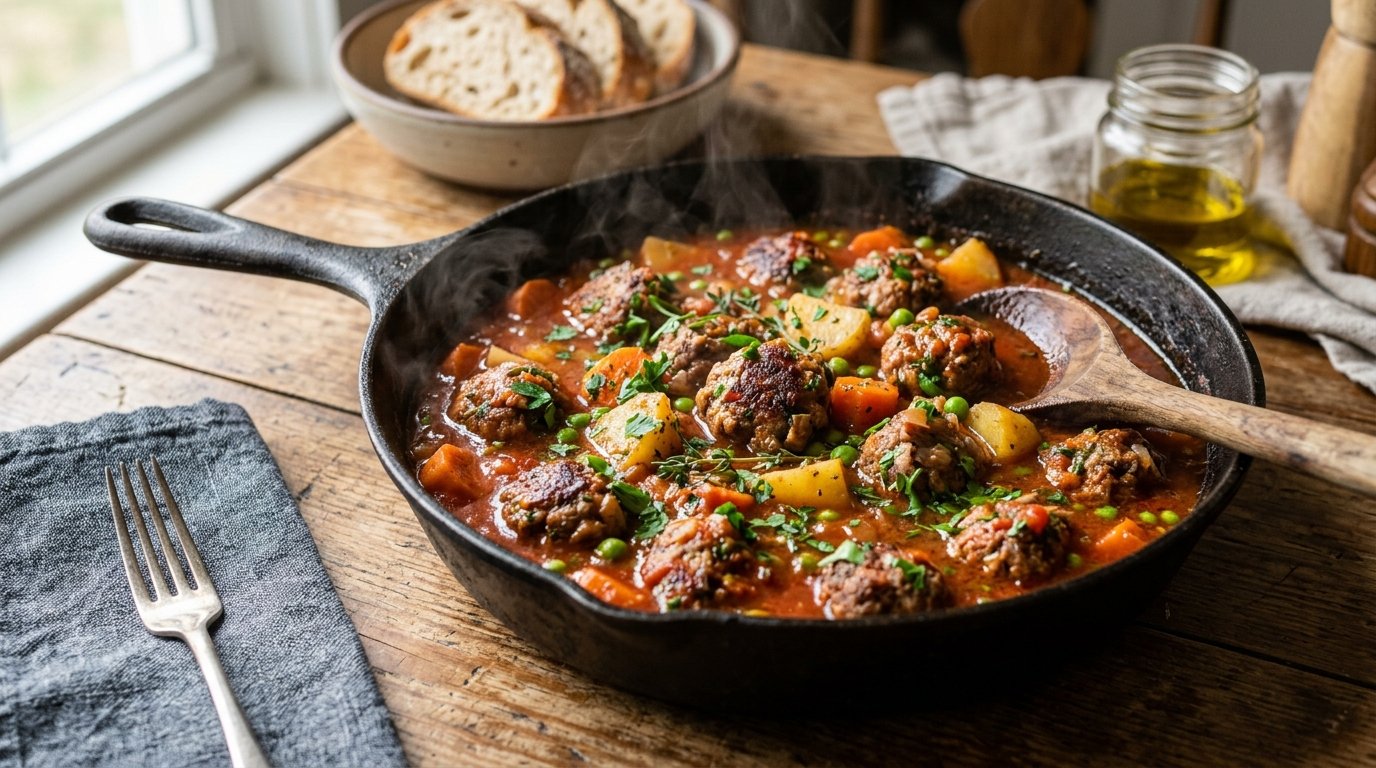
This recipe streamlines the dinner process by utilizing a “mash-for-sauce” technique that eliminates the need for blending or long simmering times. The result is a chunky, textured stew where the vegetables retain some bite while contributing to a rich, emulsified base. Served with crusty bread for dipping, this one-pan meal offers a restaurant-quality dining experience right at your stovetop, proving that simple techniques often yield the most profound results.
Table of Contents
- Introduction
- Why This Recipe Works
- Why You’ll Love This Recipe
- Ingredient Notes
- Kitchen Equipment
- Preparation Information
- Step-by-Step Instructions
- Expert Tips
- Common Mistakes
- Recipe Variations
- What to Serve With This Recipe
- Make Ahead & Meal Prep Tips
- Storage Instructions
- Reheating Instructions
- Nutritional Information
- Troubleshooting Guide
- Frequently Asked Questions
- Final Thoughts
Introduction

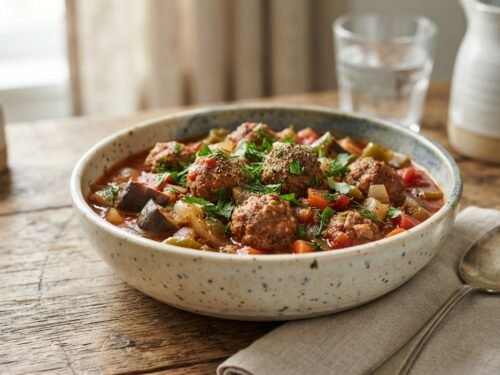
In the world of busy home cooking, finding a recipe that balances speed, nutrition, and deep flavor can feel like searching for a needle in a haystack. Enter the One-Pan Magic meatball stew, a dish that defies the notion that quick meals must be bland or boring. This recipe leverages the Maillard reaction—the chemical browning that creates savory depth—by searing eggplant, peppers, and onions directly in the pan before introducing the protein. Instead of removing these aromatics to make space, we build upon them, creating layers of flavor that would typically take hours to develop.
The genius of this method lies in its efficiency. By keeping everything in a single vessel, you not only save on dishwashing but also allow the fond (the caramelized bits stuck to the pan bottom) to deglaze naturally as the vegetables release their moisture. This creates an instant, robust sauce base that coats the meatballs beautifully. Whether you are feeding a family, meal prepping for the week, or simply treating yourself to a cozy night in, this stew delivers warmth and sustenance in under an hour.
Why This Recipe Works
From a food science perspective, this recipe succeeds because it maximizes surface area contact and thermal retention. Cutting vegetables into uniform chunks ensures they cook at the same rate as the meatballs, preventing a mushy texture. When you add liquid and mash the mixture, you are essentially creating a mechanical emulsion; the starches from the eggplant and the pectin from the peppers break down just enough to thicken the juices without turning the dish into baby food.
Furthermore, cooking meatballs directly in the vegetable mixture rather than separately allows them to absorb the aromatic vapors released during sautéing. The fat rendered from the meatballs then lubricates the vegetables, carrying fat-soluble flavor compounds throughout the stew. This symbiotic cooking process means every component enhances the other, resulting in a unified flavor profile that tastes like it has been simmering all day, despite being ready in minutes.
Why You’ll Love This Recipe
- Minimal Cleanup: True to its name, this recipe requires only one large skillet and a cutting board, making post-dinner cleanup a breeze.
- Texture Variety: Unlike smooth pureed soups, this stew offers satisfying chunks of tender eggplant and crisp-tender peppers alongside juicy meatballs.
- Flavor Depth: The “mash-for-sauce” technique creates a rustic, complex base that mimics slow-cooked stews in a fraction of the time.
- Versatile Protein: Works equally well with beef, pork, turkey, or plant-based meatballs, adapting easily to dietary preferences.
- Budget Friendly: Relies on affordable, seasonal vegetables and pantry staples, making it an economical choice for families.
- Visual Appeal: The vibrant colors of red peppers, green peppers, and purple eggplant make for a stunning presentation that looks as good as it tastes.
Ingredient Notes
Eggplant
- Purpose: Provides body and creaminess to the sauce when mashed; acts as a sponge for flavors.
- Substitutions: Zucchini (add later as it cooks faster), mushrooms (for umami), or cauliflower florets.
- Buying Tips: Choose firm, heavy eggplants with smooth, glossy skin. Avoid those with soft spots or wrinkled skin, which indicate age and bitterness.
- Storage Tips: Store whole in the crisper drawer for up to 5 days. Do not cut until ready to use to prevent oxidation and browning.
Bell Peppers (Red & Green)
- Purpose: Adds sweetness (red) and slight bitterness/crunch (green); provides color contrast and vitamin C.
- Substitutions: Poblano peppers (mild heat), roasted red peppers (jarred, add at end), or carrots (diced small).
- Buying Tips: Select peppers that feel heavy for their size with taut skin. Green peppers are less ripe and more bitter; red/yellow/orange are sweeter.
- Storage Tips: Keep unwashed in the fridge crisper. Wash just before chopping to prevent mold growth.
Onion
- Purpose: Aromatic foundation; releases sugars when cooked to balance acidity and salt.
- Substitutions: Shallots (milder), leeks (earthier), or onion powder (1 tsp per medium onion, add with liquid).
- Buying Tips: Look for dry, papery skins with no sprouting green tops. Heavy onions indicate higher water content and freshness.
- Storage Tips: Store in a cool, dark, ventilated place. Keep away from potatoes, which release moisture that causes onions to rot.
Meatballs
- Purpose: Primary protein source; adds savory richness and textural contrast.
- Substitutions: Homemade beef/pork mix, Italian sausage links (sliced), chicken thighs (cubed), or lentil balls (vegan).
- Buying Tips: If using store-bought, check sodium content and ingredient list. Fresh butcher meatballs often have better texture than frozen.
- Storage Tips: Raw meatballs freeze well for up to 3 months. Cooked leftovers keep refrigerated for 3-4 days.
Olive Oil
- Purpose: Cooking fat for sautéing; carries flavor and aids in browning.
- Substitutions: Avocado oil (higher smoke point), butter (richer flavor, watch burning), or ghee.
- Buying Tips: Extra virgin for finishing/flavor; regular or light olive oil for high-heat sautéing to prevent burning.
- Storage Tips: Store in a dark, cool place. Light and heat degrade quality. Use within 6 months of opening for best flavor.
Fresh Parsley
- Purpose: Garnish; adds fresh, herbal brightness to cut through richness.
- Substitutions: Cilantro (different flavor profile), basil (sweet), or dried parsley (add during cooking, less potent).
- Buying Tips: Look for vibrant green leaves without yellowing or wilting. Flat-leaf (Italian) has superior flavor to curly.
- Storage Tips: Trim stems, place in glass of water like flowers, cover loosely with bag, refrigerate. Changes water every 2 days.
Kitchen Equipment

- Large Skillet (12-inch): Essential for fitting all ingredients in a single layer. Cast iron or stainless steel retains heat best for searing.
- Sharp Chef’s Knife: For uniform vegetable dicing. Dull knives crush cells, releasing excess moisture and slowing cooking.
- Cutting Board: Stable surface for safe chopping.
- Potato Masher: The key tool for the “mash-for-sauce” technique. Creates rustic texture without pureeing.
- Tongs or Spatula: For turning meatballs and stirring vegetables without breaking them prematurely.
- Measuring Cups/Spoons: For consistent oil and seasoning ratios.
- Serving Bowls: Deep bowls ideal for stew and bread dipping.
Preparation Information
- Prep Time: 15 Minutes
- Cook Time: 25 Minutes
- Total Time: 40 Minutes
- Servings: 4
Step-by-Step Instructions
H3: Sauté the Vegetables
Heat olive oil in a large skillet over medium-high heat. Add diced eggplant, bell peppers, and onion. Cook for 8-10 minutes, stirring occasionally, until vegetables are softened and beginning to brown on the edges.
- Why it matters: High heat initiates the Maillard reaction, developing complex savory flavors. Crowding the pan steams vegetables instead of searing them; cook in batches if necessary.
- Visual Cue: Vegetables should shrink slightly and show golden-brown spots. Onions become translucent.
- Texture Cue: Eggplant yields to pressure but isn’t mushy. Peppers retain slight crunch.
- Aroma Cue: Sweet, caramelized vegetable scent replaces raw onion smell.
- Common Mistake: Stirring too frequently prevents browning. Let vegetables sit undisturbed for 2-3 minute intervals.
H3: Brown the Meatballs
Push vegetables to the sides of the pan or create wells. Add meatballs to the center. Cook for 5-7 minutes, turning occasionally, until browned on all sides. They do not need to be cooked through yet.
- Why it matters: Searing meatballs creates a flavorful crust and renders fat that coats the vegetables. Partial cooking prevents toughness during the final simmer.
- Visual Cue: Exterior turns deep brown. Juices may begin to release.
- Texture Cue: Firm exterior, slightly springy interior.
- Pro Tip: Don’t move meatballs immediately after placing in pan. Let them sear undisturbed for 2 minutes to develop crust.
H3: Mash for Sauce
Add a splash of water or broth (approx. 1/4 cup) to deglaze the pan. Use a potato masher to gently press down on the vegetables and meatballs, breaking them up slightly to release juices and create a chunky sauce consistency. Simmer for 5-8 minutes until meatballs reach 165°F internal temperature.
- Why it matters: Mashing breaks cell walls, releasing pectin and starches that naturally thicken the liquid. Deglazing incorporates fond into the sauce.
- Visual Cue: Liquid reduces and thickens. Sauce clings to meatballs. Color deepens to rich orange-red.
- Texture Cue: Sauce is chunky but cohesive, not watery. Meatballs are firm and cooked through.
- Safety Note: Always verify meatball internal temperature with a thermometer. Visual cues alone are unreliable for ground meat safety.
H3: Garnish and Serve
Remove from heat. Sprinkle generously with fresh chopped parsley. Serve immediately in deep bowls with crusty bread for dipping.
- Why it matters: Residual heat wilts parsley perfectly without destroying its fresh flavor. Serving hot preserves texture and aroma.
- Visual Cue: Bright green parsley contrasts with rich stew. Steam rises visibly.
- Aroma Cue: Herbal freshness melds with savory meat and vegetable steam.
- Serving Tip: Drizzle with extra virgin olive oil or balsamic glaze for added complexity.
Expert Tips
- Uniform Dicing is Key: Cut all vegetables to similar sizes (approx. 1/2 inch). This ensures even cooking and prevents some pieces from being raw while others are mushy.
- Don’t Over-Mash: The goal is rustic texture, not puree. 3-4 gentle presses with the masher is usually sufficient. Over-mashing creates a gluey consistency.
- Season in Layers: Salt vegetables during sautéing to draw out moisture and enhance flavor. Season meatballs before adding to pan. Final seasoning adjustment happens after mashing.
- Use a Lid Strategically: Cover pan briefly during vegetable sautéing if they aren’t softening, but uncover for browning. Cover during simmering to retain moisture, uncover at end to thicken sauce.
- Rest Before Serving: Let stew sit off heat for 2-3 minutes. This allows flavors to meld and sauce to set slightly, improving texture and taste.
Common Mistakes

- Watery Sauce: Caused by overcrowding pan or insufficient reduction. Fix: Sauté vegetables in batches; simmer uncovered longer to evaporate excess liquid; add tomato paste for thickness.
- Burnt Bottom: Heat too high or insufficient stirring during mashing. Fix: Reduce to medium-low after adding liquid; scrape bottom constantly while mashing; use heavy-bottomed pan.
- Tough Meatballs: Overcooked or compacted too tightly when formed. Fix: Handle meat gently; cook just to 165°F; don’t overmix meat mixture.
- Bland Flavor: Underseasoned or rushed sautéing. Fix: Salt each layer; allow proper browning time; finish with acid (lemon juice/vinegar) and fresh herbs.
- Mushy Vegetables: Overcooked before mashing. Fix: Sauté just until tender-crisp; mash gently; residual heat continues cooking.
Recipe Variations
- Spicy Arrabbiata: Add red pepper flakes and crushed tomatoes during simmer. Finish with chili oil drizzle.
- Vegetarian/Vegan: Replace meatballs with chickpeas or lentil balls. Use vegetable broth. Add nutritional yeast for umami.
- Creamy Tuscan: Stir in 1/2 cup heavy cream or coconut milk after mashing. Add sun-dried tomatoes and spinach.
- Asian Fusion: Use ginger, garlic, soy sauce, and sesame oil. Substitute meatballs with tofu or shrimp. Garnish with scallions.
- Low-Carb/Keto: Omit bread serving. Add zucchini noodles or cauliflower rice. Use avocado oil.
- Mediterranean Herb: Add oregano, thyme, and kalamata olives. Finish with feta cheese crumbles.
- Curry Spiced: Add curry powder, turmeric, and cumin during vegetable sauté. Use coconut milk base. Garnish with cilantro.
What to Serve With This Recipe
- Bread: Crusty sourdough, ciabatta, or garlic bread for soaking up sauce. Essential for the full experience.
- Grains: Polenta, couscous, orzo, or crusty rice pilaf provide neutral base for rich stew.
- Salads: Simple arugula salad with lemon vinaigrette cuts richness. Caprese salad complements Mediterranean flavors.
- Cheese: Shaved Parmesan, Pecorino Romano, or crumbled goat cheese adds salty tang.
- Drinks: Medium-bodied red wine (Chianti, Sangiovese), sparkling water with lemon, or iced tea.
- Dessert: Light fruit sorbet or citrus granita cleanses palate after hearty meal.
Make Ahead & Meal Prep Tips
- Prep Vegetables Ahead: Dice all vegetables up to 2 days in advance. Store in airtight containers in fridge. Saves significant active cooking time.
- Form Meatballs Early: Shape meatballs up to 24 hours ahead. Refrigerate covered. Flavors meld and texture firms up, making searing easier.
- Double Batch: Recipe scales easily. Make double portion; freeze half for future quick meals. Stews often taste better next day.
- Component Prep: Sauté vegetables and sear meatballs separately; store components. Combine and mash when ready to serve for freshest texture.
Storage Instructions
- Refrigerator: Store cooled stew in airtight container up to 4 days. Flavors improve overnight.
- Freezer: Freeze in portions up to 3 months. Thaw overnight in fridge before reheating. Texture may soften slightly upon thawing.
- Avoid: Don’t store with bread in same container; it becomes soggy. Add fresh parsley only when serving, not before storage.
- Safety: Cool completely before sealing. Never leave at room temperature >2 hours. Reheat to 165°F before consuming.
Reheating Instructions
- Stovetop (Best): Medium-low heat in skillet, stirring occasionally. Add splash of water if sauce thickened too much. Restores original texture perfectly.
- Microwave: Covered dish, medium power, 1-minute intervals, stirring between. Quick but may unevenly heat. Add water to prevent drying.
- Oven: 350°F covered baking dish, 15-20 minutes. Good for large batches. Uncover last 5 minutes to reduce sauce if needed.
- Air Fryer: Not recommended for stew consistency. Better for reheating bread accompaniment separately.
- Slow Cooker: Low setting 1-2 hours. Ideal for keeping warm at parties. Add liquid to prevent scorching.
Nutritional Information
Per serving (approximate):
- Calories: 450
- Protein: 28g
- Carbohydrates: 22g
- Fat: 28g
- Fiber: 5g
- Sugar: 8g
- Sodium: 680mg
Note: Values vary based on meatball type, oil amount, and specific vegetables used. Sodium primarily from meatballs and added salt.
Troubleshooting Guide
| Problem | Cause | Solution |
|---|---|---|
| Sauce too thin | Insufficient reduction or watery veggies | Simmer uncovered longer; add tomato paste; mash more vigorously. |
| Sauce too thick/dry | Over-reduction or starchy veggies | Add broth/water gradually; stir constantly; reduce heat. |
| Meatballs tough | Overcooked or overmixed | Cook just to 165°F; handle meat gently; add moisture (breadcrumbs/milk) to mix. |
| Vegetables mushy | Overcooked before mashing | Sauté less time; mash gently; rely on residual heat. |
| Bland flavor | Underseasoned or rushed browning | Salt each stage; allow proper searing; finish with acid/herbs. |
| Burnt bottom | Heat too high or stuck fond | Lower heat; deglaze promptly; use heavy pan; stir while mashing. |
Frequently Asked Questions
1. Can I use frozen vegetables? Yes, but thaw and pat dry first. Frozen veggies release more water, requiring longer sautéing and reduction time. Fresh vegetables provide superior texture and browning.
2. What type of meatballs work best? Beef-pork blend offers ideal fat content and flavor. Turkey/chicken are leaner but can dry out; add breadcrumbs/moisture. Plant-based balls vary widely; test one first for texture.
3. Can I make this in a slow cooker? Absolutely. Sauté veggies and sear meatballs first (crucial for flavor), then transfer to slow cooker with liquid. Cook low 4-6 hours. Mash before serving.
4. How do I prevent eggplant from becoming bitter? Salt diced eggplant, let sit 20 mins, rinse and pat dry before cooking. This draws out bitter compounds. Modern eggplants are often less bitter, but salting guarantees success.
5. Is this recipe gluten-free? Naturally yes, if meatballs are GF-certified. Check labels for breadcrumbs/fillers. Serve with GF bread or grains. Thickening comes from vegetables, not flour.
6. Can I add tomatoes? Yes! Diced canned tomatoes or tomato paste enhance sauce body and acidity. Add during simmering stage. Adjust salt accordingly as tomatoes add sodium.
7. How do I know when meatballs are done without cutting? Use instant-read thermometer. Insert into center of largest meatball. 165°F = safe. Visual cue: firm to touch, juices run clear. Never guess with ground meat.
8. Can I use different oils? Avocado oil (high smoke point) works great for searing. Butter adds richness but burns easier; combine with oil. Coconut oil adds distinct flavor; use refined for neutrality.
Final Thoughts
Embracing the One-Pan Magic approach to cooking isn’t just about saving time—it’s about rediscovering the joy of simple, honest food. This meatball and vegetable stew proves that you don’t need elaborate techniques or endless ingredients to create something truly nourishing and delicious. The act of mashing vegetables into sauce connects us to rustic culinary traditions while fitting seamlessly into modern busy lives. We encourage you to make this recipe your own, experimenting with seasonal produce and favorite proteins. Share your variations, photos, and tips in the comments below—we love seeing how our community brings recipes to life. Don’t forget to rate the dish if it brought comfort to your table; your feedback helps fellow home cooks discover this gem. Happy cooking!